

A Cayman base has four separate decisions
Cayman combines an English-speaking financial-services centre with a Caribbean home base. Its absence of ordinary income tax can be attractive to a business owner or investor, but it does not answer whether you can work here, whether your overseas tax residence ends, or whether the company’s actual activities belong in Cayman.
Start with four decisions: the household’s residence permission, the business’s legal and licensing position, the cross-border tax consequences, and the cost of everyday life. Buying a home, registering a company and obtaining a passport are different processes. None should be represented as an automatic consequence of the others.
Cayman Islands at a glance
| Detail | Reference |
|---|---|
| Jurisdiction | British Overseas Territory with its own immigration and commercial laws |
| Islands | Grand Cayman, Cayman Brac and Little Cayman |
| Capital and principal business base | George Town, Grand Cayman |
| Currency | Cayman Islands dollar (KYD / CI$); currency-board issue rate CI$1 = US$1.20, before customer spreads and fees |
| Population | 90,577 estimated in December 2025, Economics and Statistics Office |
| Climate | Tropical marine; wet season broadly mid-May–October, drier November–April |
| Air connectivity | Owen Roberts (GCM) is the principal international gateway; check actual scheduled connections for the Sister Islands |

Who should look more closely
An internationally mobile household with sufficient resources can compare the independent-means routes with a real employment or business route. A founder relocating meaningful operations needs a parallel review of work rights, business licensing, economic substance, banking and the places where staff and customers remain.
Cayman is less straightforward if the plan depends on unrestricted work under an investment residence certificate, guaranteed citizenship after a short holding period, or a low annual household budget. A Cayman address alone cannot relocate an overseas business or erase a shareholder’s reporting obligations.
| Objective | Start here |
|---|---|
| Live without working locally | Independent-means residence and its investment/maintenance conditions |
| Run a real local business | Direct investment or substantial business presence, plus business licences |
| Take a job | Employer-sponsored permission and the 2026 work-permit rules |
| Build a permanent family connection | PR, Caymanian status and nationality timelines considered separately |
| Hold investments or international entities | Tax, substance, reporting and bank acceptance before incorporation |
What changed in 2026
The Caymanian Protection reforms took effect on 1 May 2026. New independent-means permanent-residence certificates are initially for ten years, with a later discretionary application for indefinite renewal. New marriage and civil-partnership status routes generally have a fifteen-year relationship period. Existing holders and specified applications receive transitional treatment, so dates and document category matter.
Property duty also changed: the general high-value category is now 10% where the higher of consideration and market value is CI$2 million or more. Do not use a brochure quoting only 7.5% when budgeting a qualifying property investment.
Compare Grand Cayman with the Sister Islands
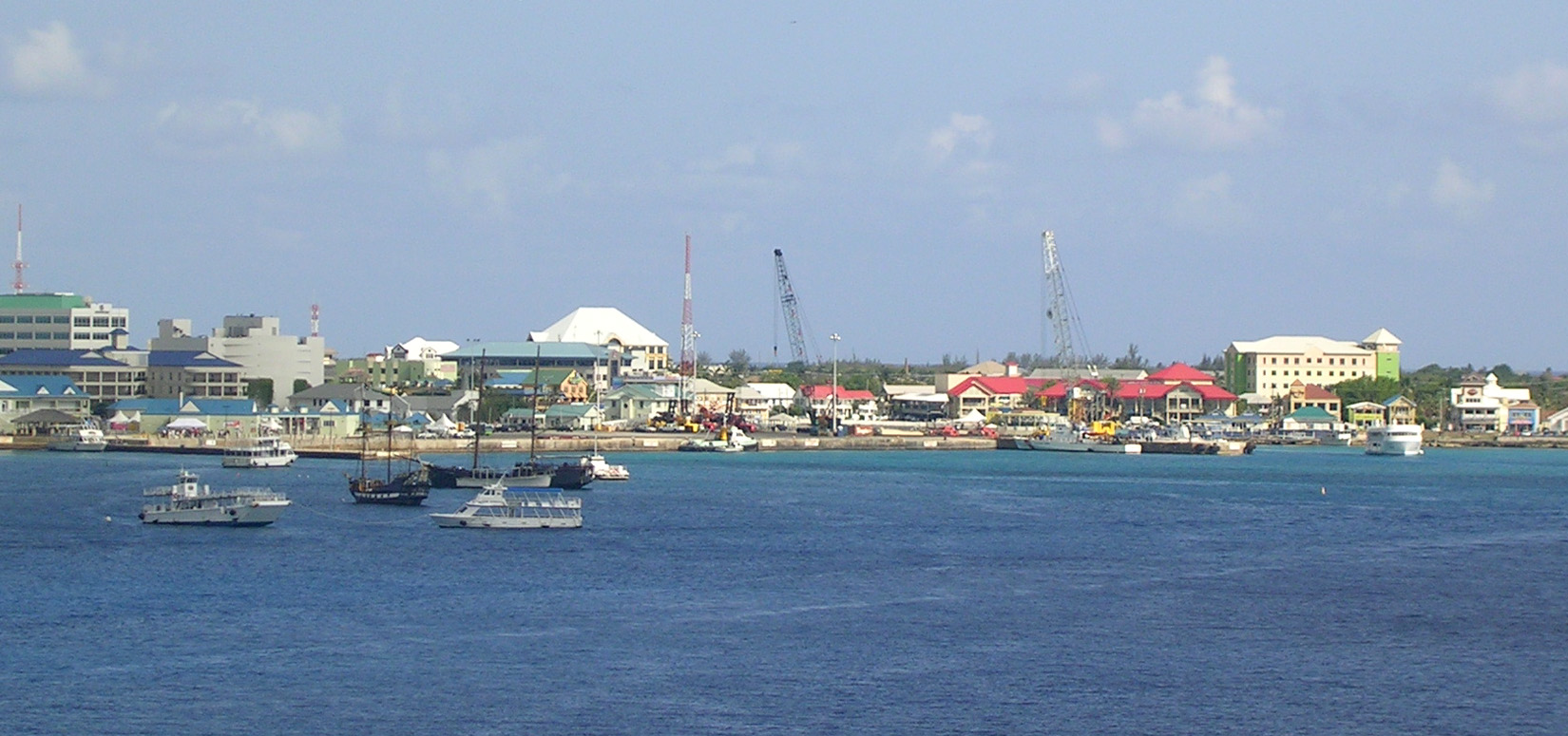
Grand Cayman contains the principal business centre, most of the institutional services and the main international airport. George Town is the starting point for a household prioritising offices, schools, medical appointments and frequent flights. Cayman Brac and Little Cayman warrant a separate scouting visit if a smaller-island routine appeals.
The immigration investment thresholds for the 25-year independent-means route differ between Grand Cayman and the Sister Islands. Specific Cayman Brac duty concessions also exist. Neither difference should be reduced to a headline discount: verify the property, local services, onward travel and actual work permissions.
Budget beyond the tax rate
The relevant comparison is what remains after housing, school fees where needed, health cover, pension deductions, transport, imports and continuing overseas tax. For a business, add employer pension and health costs, permits, licensed office arrangements, professional administration and the evidence needed for substance.
Use written quotes for the particular household and business. Health insurance is not a single percentage of salary, and property-related government charges are not the same as professional fees. Keep investment capital, non-refundable government fees and annual operating expenses in separate columns.
A decision file before a commitment
Collect a residence and travel history for each family member; a company ownership and management chart; the asset acquisition records; and a budget with the route’s continuing obligations. Ask for the decision points to be documented, including the child-age or education milestones for the selected route, a spouse’s intended work and what happens if the household later leaves.
A useful plan links the residence permission to the actual home, business operations and financial accounts. Our work begins with that combined picture and can then move into the implementation required for your circumstances.
Sources & research notes20 references
Sources supporting this guide. Research draft awaiting editorial review.
- Cayman Islands — Immigration (Transition) Act, 2022 Revision
- Cayman Islands — Immigration Amendment and Validation Act 2025
- Cayman Islands — Immigration Amendment and Validation Act 2026
- Ministry — Immigration Reform Guidebook, 18 August 2026
- Government — Caymanian Protection Act and Regulations take effect
- Cayman Islands — Immigration Regulations, 2025 Revision
- Caymanian Protection (Fees) Regulations 2026
- WORC — R42 independent-means permanent residence, May 2026
- Cayman Islands Government — Finance and Economy
- Government — Stamp duty on property worth CI$2m and over
- Government — Cayman Brac duty concessions extended
- Department of Labour and Pensions — Pension and employment FAQs
- Health Insurance Commission — SHIC obligations and FAQs
- DITC — Economic Substance Guidance v3.2
- General Registry — Company types
- CIMA — Annual report 2024
- Economics and Statistics Office — Population and statistics
- Cayman Islands National Weather Service — Climate
- Cayman Islands Airports Authority — Airports
- Department of Education Services — Registration guidelines