

Where Poland can fit an international plan
Poland can be a practical European base for an operating business, a founder with a real local team or a family seeking a long-term home. EU membership, Schengen participation and the domestic złoty matter in different ways: access to the single market does not remove local registration, and euro revenues do not eliminate currency exposure on a Polish payroll.
The useful question is how the proposed life and business will function. Where will you work? Who will negotiate and approve contracts? Will a spouse work locally, and what status will the children hold? A company, residence card, bank account and tax election are separate pieces. Putting them together coherently is the point of the planning exercise.
The tax profile at a glance
Ordinary resident individuals and resident companies are taxed on a worldwide basis. Poland is not a territorial or remittance-basis default. Personal scale rates, separately taxed investments, social charges and corporate/shareholder layers should be compared separately. Reduced-rate and incoming-resident regimes are conditional options rather than universal outcomes.
For existing international owners, CFC attribution and management residence deserve early attention. A low-tax foreign company can still produce Polish obligations, and a residence change can create an exit-tax issue before an asset has been sold. Those risks are easier to address before contracts, ownership or the family’s home have moved.
| Area | Ordinary starting point | Read next |
|---|---|---|
| Personal income | 12%/32% scale; source-specific alternatives and 4% solidarity levy | Personal tax guide |
| Ordinary company profit | 19%; conditional 9% for non-capital gains | Corporate tax guide |
| VAT | 23% standard; conditional reduced rates/exemptions | Corporate tax guide |
| Employment | Separate employee/employer insurance; selected caps | Employment guide |
| Foreign entities and departure | CFC, management and exit rules identified | Corporate tax and departure guides |
Start with your nationality and reason for staying
EU/EEA/Swiss citizens generally use a free-movement framework with registration for longer stays and qualifying work, resources or study conditions. Third-country nationals normally need the correct national visa/residence route. For a hands-on business owner, business residence should be tested against the activity and evidence; a salaried highly qualified role may instead fit the EU Blue Card.
Family members need their own route assessment. EU free-movement dependent-child rules are not the same as national third-country minor-child rules. Marriage recognition also has a cross-border EU dimension following the 2025 CJEU judgment. A single dropdown labelled “partner” cannot responsibly settle those differences.
Plan the daily life as carefully as the structure
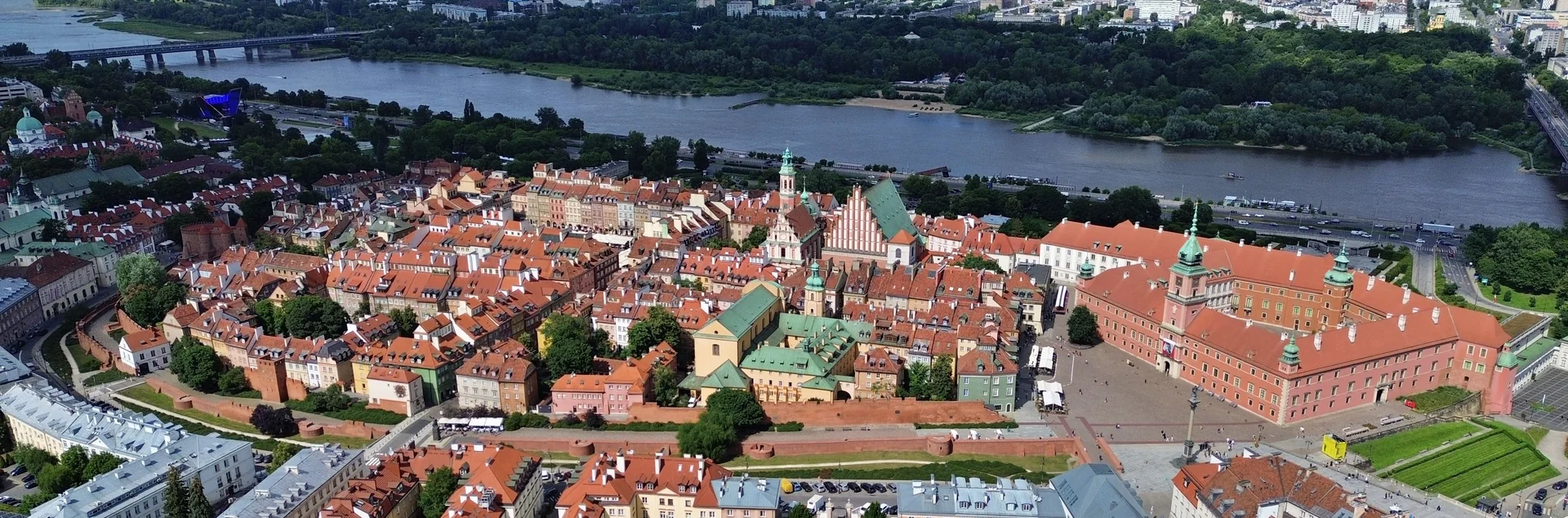
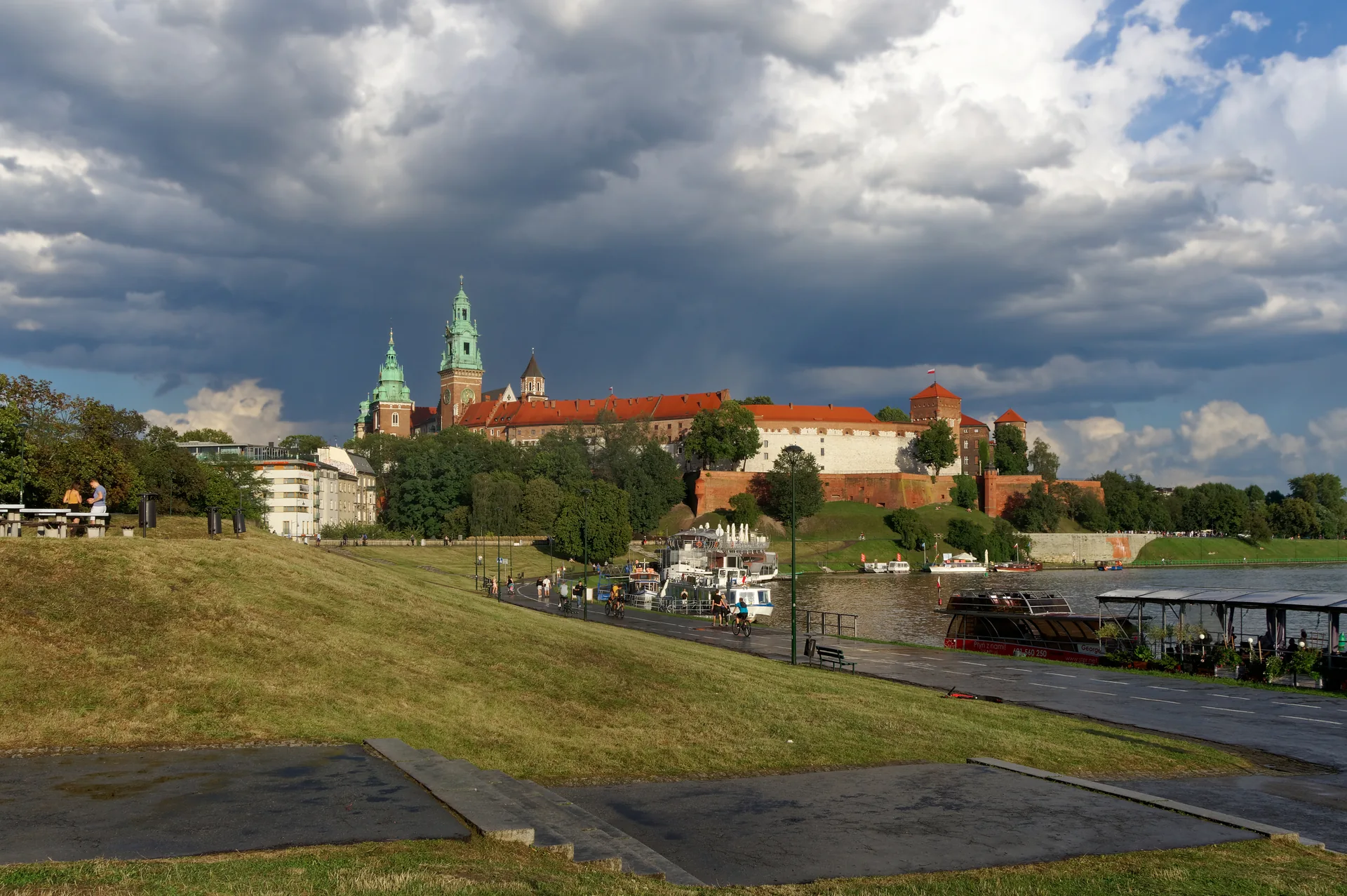
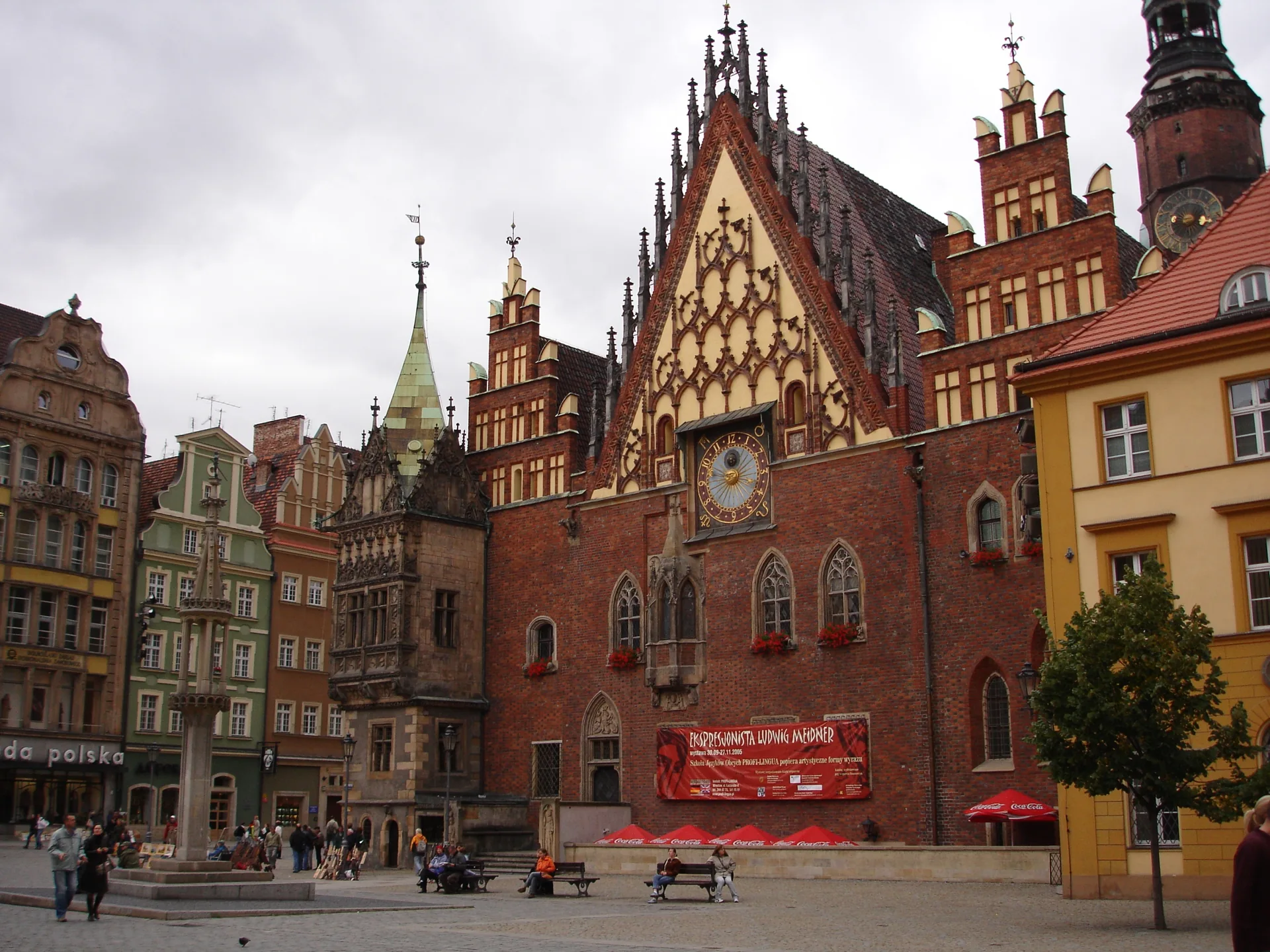
The GUS 2026 publication reports a rounded national population of 37.333 million for 2025. This statistical series is not the same as every person physically present or the EU resident-population series. For a location shortlist, compare Warsaw’s national transport and business connections with Kraków, Wrocław, Poznań and the Gdańsk–Gdynia area against the actual household’s school, language and travel needs. These are starting points for research, not completed city recommendations.
Climate varies across the coast, inland plains and mountains. IMGW’s 2025 national review records a warm but dry year; its 1991–2020 normals provide the baseline. Inspect heating, ventilation and summer sun exposure in a potential home rather than drawing a housing conclusion from one annual national temperature. Travel planning should use the actual airport serving the city, not a generic Poland transfer time.
A plan that reaches implementation
We can review how your personal residence, companies, banking and operating arrangements fit together, then coordinate the agreed implementation. The useful output is a documented decision and a workable sequence, including the points that need a Polish tax, legal or immigration specialist’s confirmation. Government approvals and bank acceptance remain decisions of the relevant institutions.
An initial inquiry should describe your citizenships, present tax residence, company structure, broad annual profit and intended move. You do not need to send sensitive account statements in an introductory message. That gives the team enough context to identify whether you need a full plan, a review of an existing arrangement or a specific implementation service.
Sources & research notes11 references
Sources supporting this guide. Research draft awaiting editorial review.
- European Union — Poland profile and currency
- Ministry of Finance — residence and scope guidance, 29 April 2021
- MOS — residence for business activity
- Personal Income Tax Act — 2026 consolidated text
- Corporate Income Tax Act — 2026 consolidated text
- Your Europe Poland — EU entry/residence/family rights
- MOS — EU Blue Card questions and salary threshold
- CJEU — C-713/23, recognition of marriage concluded in another EU state
- Statistics Poland — Poland in figures 2026, data for 2025
- IMGW — national climate reports including 2025
- Warsaw Chopin Airport — rail connection