
Choose the role Denmark should play
Denmark can be a home, a place to recruit and operate, or one part of an international business. Those are different decisions. A family settling in Copenhagen, a founder opening a Danish operation and an owner leaving Denmark each need a different sequence of tax, immigration and administrative work.
For a business owner, the useful question is how the entire arrangement works: where you and your family live, where employees perform their work, who makes decisions, how profits reach you and what happens when you eventually sell or move. The country’s institutions and infrastructure can be valuable even when the ordinary personal tax burden is substantial.
The main legal and tax building blocks
These are orientation points. Follow the detailed guides for the conditions, exceptions and evidence that determine an actual case.
| Area | Starting point | What needs attention |
|---|---|---|
| Personal tax | Worldwide taxation for ordinary residents; AM, national and local layers | Researcher/highly paid employee treatment is a separate conditional option. |
| Companies | 22% ordinary corporation tax | Foreign PE/property exclusions, company residence and CFC rules qualify a simple headline. |
| VAT | 25% ordinary rate | Registration, exemptions and input recovery depend on the activity. |
| Non-EU immigration | National work/business routes | Denmark does not participate in the EU Blue Card; EU free movement is a separate regime. |
| Citizenship | Descent and qualifying naturalisation routes | Dual nationality is permitted by Denmark; there is no citizenship entitlement from buying property. |
Plan for the business and the household together
Moving a founder can move the place from which a business is managed. Hiring an employee can create payroll and business-presence obligations before a local subsidiary exists. A family’s immigration rights may depend on the principal applicant’s employment or approved business, while tax residence follows another set of facts.
Create one chronology rather than separate, conflicting plans. It should cover permission to work, the first employment or management day, housing, family applications, tax registrations, bank onboarding, pension coverage and the reporting dates in the outgoing country. Identify commitments that should wait for a decision.
Countrywide rules, local choices
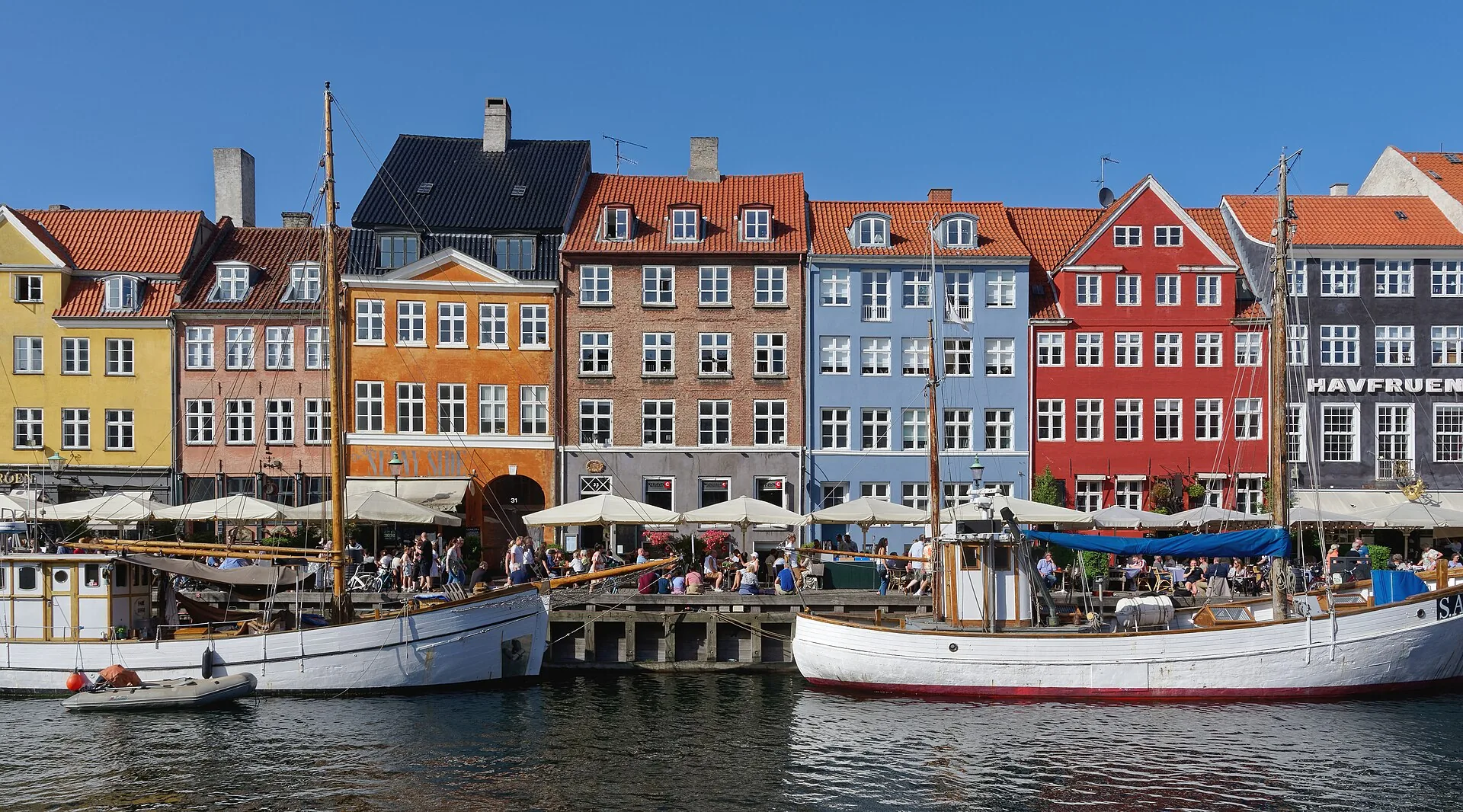
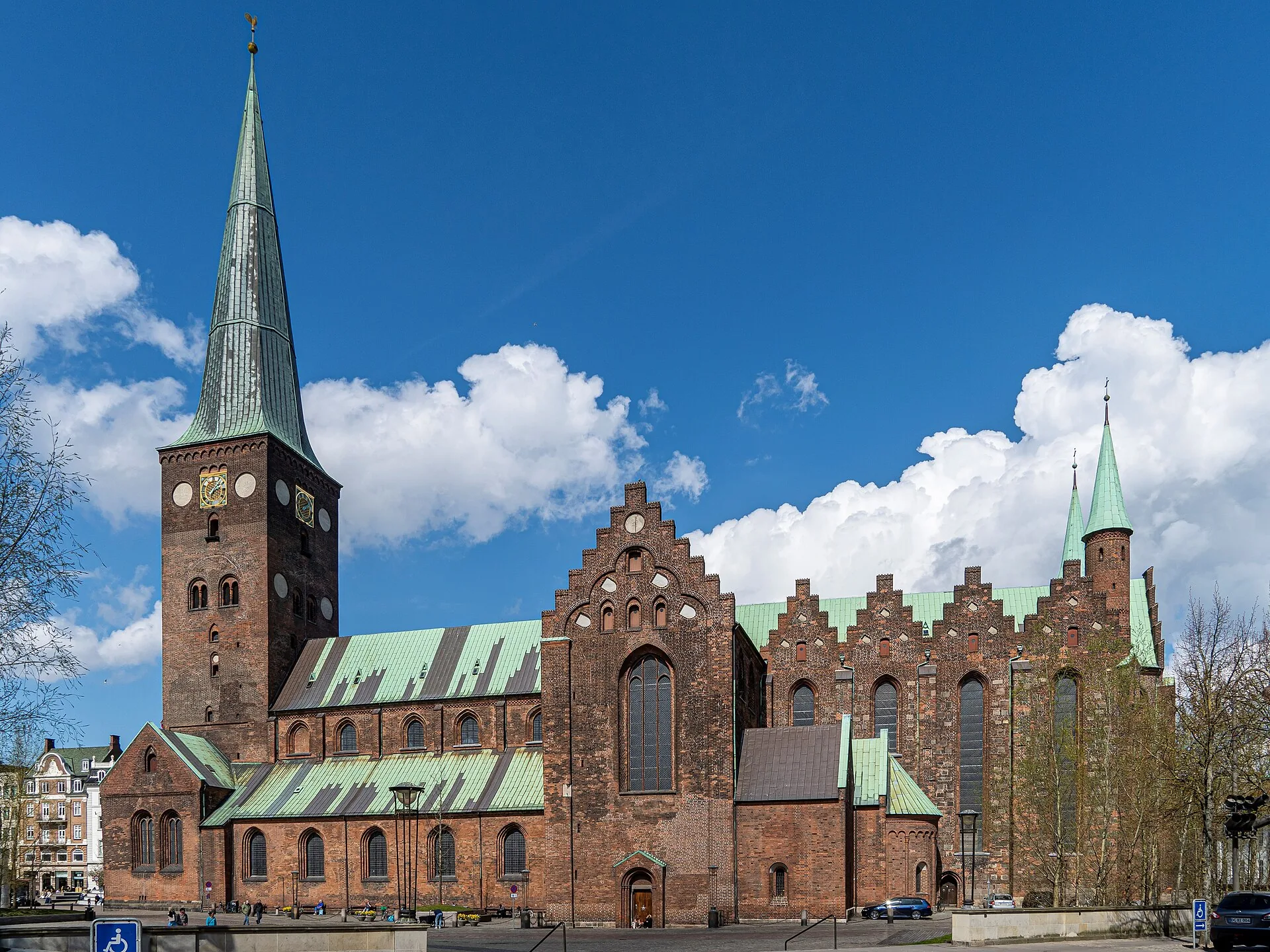
Housing, commuting and local income tax can change the practical result. Compare Copenhagen, Aarhus and Odense around your work, schools, airport use and housing requirements. The city guides cover neighbourhood choices, leases, municipal registration and family services, with arrival steps and local perspectives.
Test neighbourhood-level transport and school access, lease terms, heating and winter daylight. Budget in Danish kroner: the fixed exchange-rate policy toward the euro does not make Denmark a euro-currency country.
What to resolve before committing
For a newcomer, review existing assets before arrival, particularly shares whose Danish opening basis may be their arrival market value. For an established Danish owner leaving, analyse the home and share exit-tax position before booking a departure date. For a company, document actual management and classify foreign operations.
An initial inquiry is most useful with your current residence and nationalities, family composition, intended timing, business activities and ownership, approximate profit, staffing locations and main assets. Offshore Capitalist can then assess which parts need coordinated international planning and what a suitable implementation scope could include.
Sources & research notes19 references
Sources supporting this guide. Research draft awaiting editorial review.
- SKAT — working in Denmark and tax residence
- SKAT legal guide C.D.1.1.1.3 — place of management
- Life in Denmark — arrival, registration and administration
- SKAT — 2026 bottom, middle, top and additional top income tax
- SKAT — corporation tax and tax on account
- SKAT — starting with VAT
- SKAT — tax scheme for researchers and highly paid employees
- European Commission — EU Blue Card participating countries
- Ministry of Immigration and Integration — dual nationality
- SKAT — rules for foreign businesses in Denmark
- SIRI — accompanying family of a person working in Denmark
- Statistics Denmark — municipal and church tax rates, PSKAT
- Danmarks Nationalbank — fixed exchange-rate policy
- Danish Meteorological Institute — climate normals
- Copenhagen Airport — train access
- Billund Airport — travel to and from the airport
- SKAT legal guide C.B.2.14.1 — arrival and securities acquisition value
- SKAT — tax obligations when leaving Denmark
- SKAT — share taxation on leaving Denmark