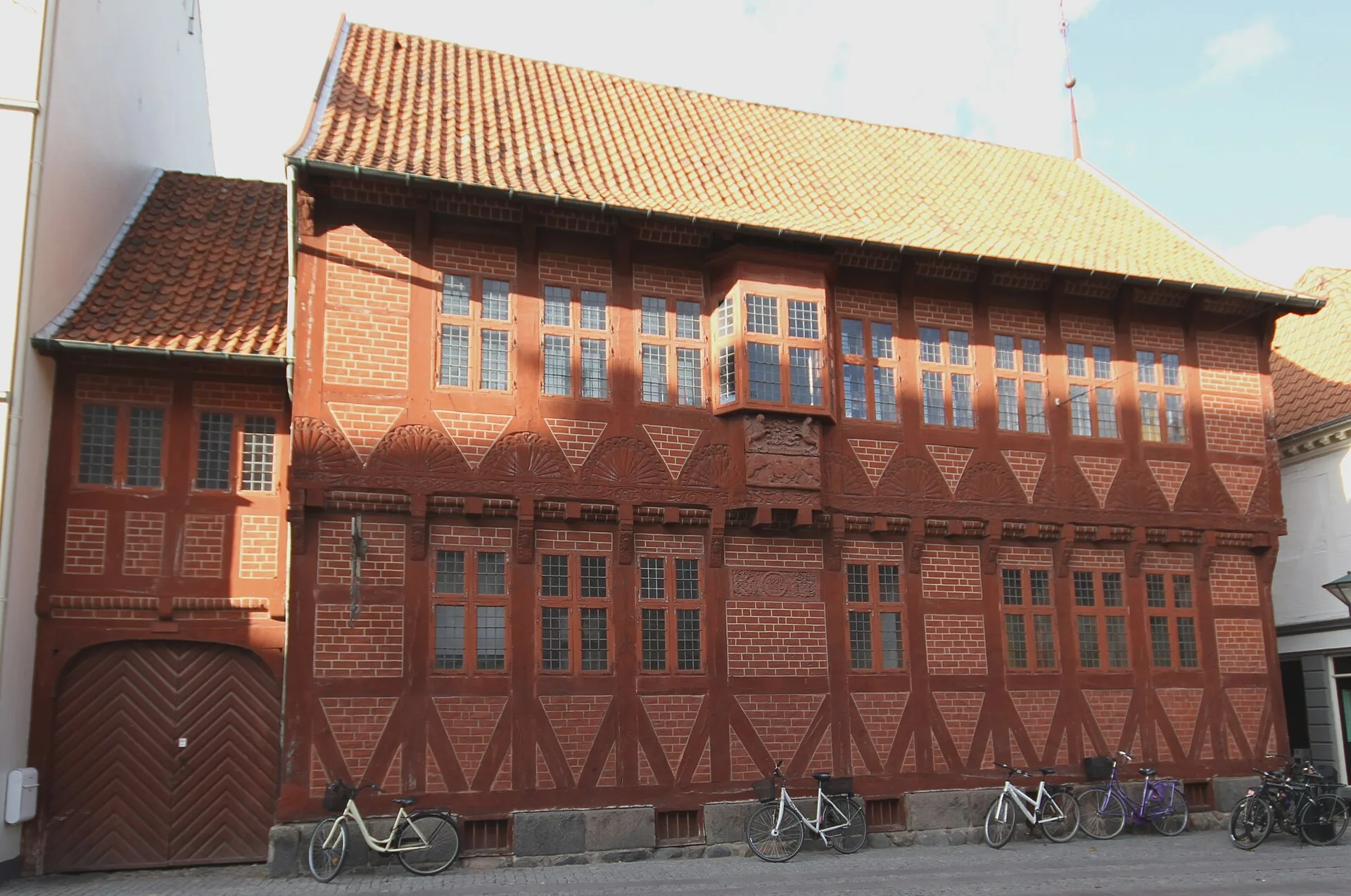
City at a glance
Choose Odense for the routine it offers
Odense combines a historic centre with an expanding harbour district and access to greener places such as Fruens Bøge. It is worth considering if you want an urban home on Funen and do not need every business meeting or international departure to begin in Copenhagen.
The choice should be specific. Someone working near the university, a family building a routine around an international school and an owner taking frequent flights may need quite different parts of Odense. A manageable centre does not eliminate the time needed to cross the city or reach an airport. Start with those journeys before comparing apartments.
Sources for this section
What may appeal
- Historic central districts, harbour development and greener southern surroundings provide contrasting housing choices.
- The tram links the railway station with several major destinations, including SDU.
- Municipal guidance allows the school-enrolment process to begin before CPR issuance when a local address is established.
What to weigh up
- International flights require a real ground-transfer plan to the chosen airport.
- The best location for work may differ from the best location for a school.
- English-speaking employment and a partner’s professional options need testing in the relevant field.
Neighbourhoods & finding a home
Websites to find a home
| Website | Search for | Coverage |
|---|---|---|
| Boligsiden | Rent / Buy | Denmark |
| BoligPortal | Rent | Denmark |
About these links
Property-search websites help you find listings; individual properties and agents have not been vetted by Offshore Capitalist. Confirm availability, the legal right to let or sell, and payment instructions before committing.
- Boligsiden · Checked 2026-10-14
Search by city, area or street and choose Til salg or Leje. Keep ownership type and recurring charges separate when comparing results.
- BoligPortal · Checked 2026-10-14
Rental homes, apartments and rooms; choose København, Aarhus or Odense. Review the current contact and subscription terms before signing up.
Five areas to explore in person
These are starting points for a scouting visit. The official visitor authority identifies the districts and landmarks; the inspection questions are our practical suggestions. We do not attach unsourced rental prices or safety scores to an entire neighbourhood.
| Area | Why put it on the shortlist | Questions for the visit |
|---|---|---|
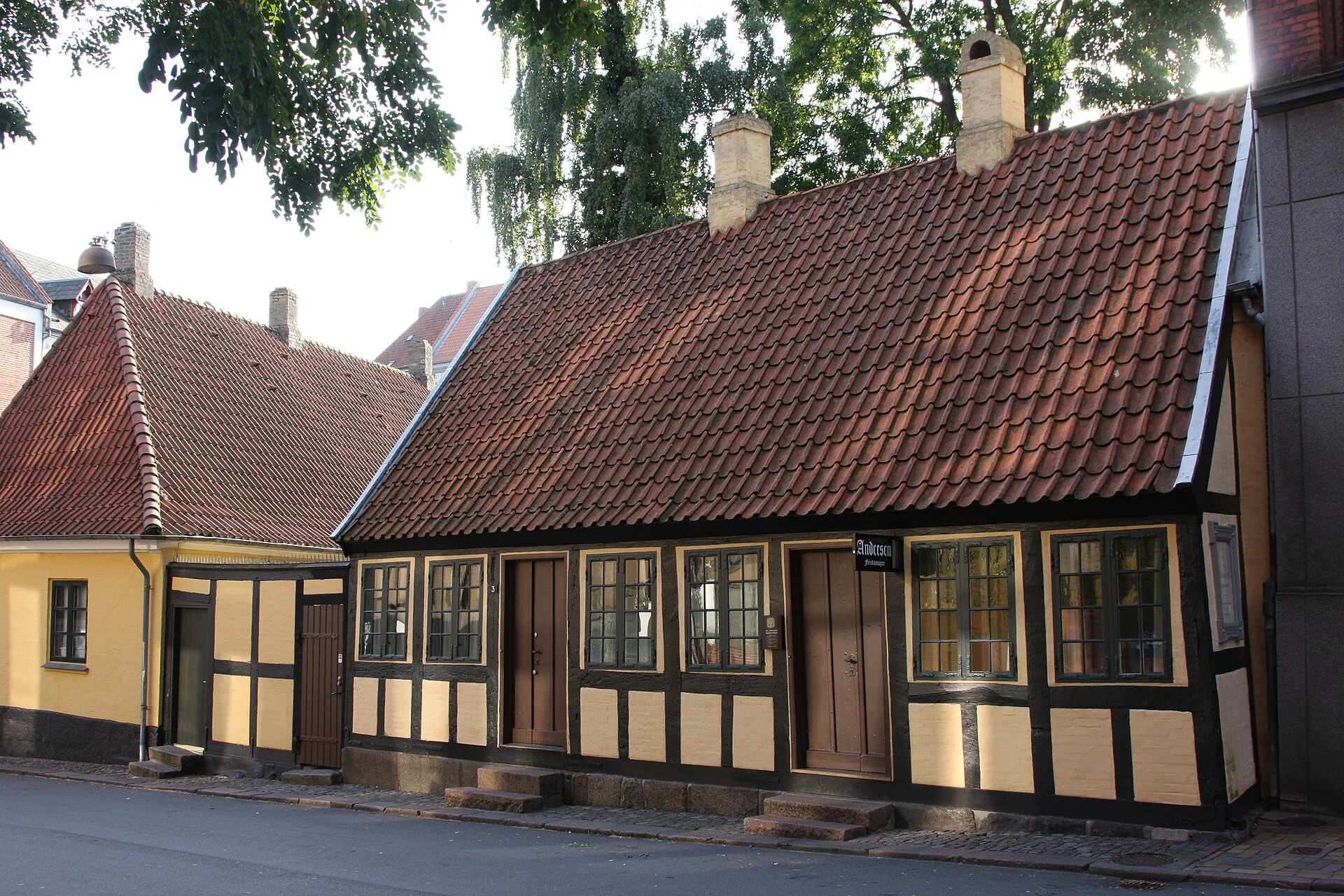
| Andersen Quarter / old town | Historic streets around Bangs Boder, Overgade and Nedergade, with museums, shops and cafés. | Check delivery access, evening visitor activity, stairs and the layout of older homes. Decide whether historic character helps or complicates the way you work. |
| Brandts and the central pedestrian streets | Culture and restaurants around the former textile-mill complex, with daily services in the centre. | Visit after events and at the time you would sleep. Check where taxis and moving vehicles can actually stop, and how far groceries must be carried. |
| Odense Harbour | Former industrial space becoming a residential and leisure district, with water and newer development. | Ask about adjoining building projects, the current walking route to services, wind exposure and the apartment’s outlook once nearby sites are completed. |
| Fruens Bøge surroundings | A greener southern setting associated with woodland and the lake, useful to compare with a central apartment. | Test the school run and daily shopping in addition to the enjoyable weekend walk. Confirm what is feasible without a car at the particular address. |
| Hjallese / the university-side corridor | A practical search area when your week involves the southern end of the light-rail route or SDU. | Use the actual home and campus destinations in the journey planner. The tram’s whole-route travel time is not the time to every building or school. |
Sources for this section
Building a social and professional routine
International House Odense brings together practical settling-in information and resident interviews. Use it as a starting point for services and events, then develop regular connections around the things you actually do: school, a sport, language learning, a professional group or a shared creative interest.
For a couple, assess both people’s plans. A confirmed job for one partner does not settle the other person’s professional options. If your work depends on an English-speaking local role, test the relevant market before relocating; an attractive home and an international community do not guarantee a suitable vacancy.
The resident accounts below capture this contrast: some value the scale and renewal of the city, while one described a long commute because local work in their field was difficult to find. Treat those as questions to investigate for your own profession and household, not a verdict on Odense.
Schools & childcare
Schooling can start before the CPR number arrives
Odense’s schooling guidance allows enrolment to begin without a CPR number, but the family must have an address in Odense. Children who do not speak Danish are assessed to determine whether they need a reception class or a mainstream class with support. Contact the municipal team with the child’s language history and previous schooling.
The city lists Odense International School, part of Henriette Hørlück, for ages 5–16. Check places and fees directly. For older children wanting an English-language upper-secondary option, the city points to an IB programme at Nyborg Gymnasium; that introduces a separate commute and admission decision.
Public-school attendance and after-school care are separate budget items. Odense describes SFO provision for grades 0–4, with a fee. Before choosing a home, reconcile the school day, collection arrangements and both parents’ working hours. Keep any specialist learning reports ready for discussion rather than waiting until the first day.
Sources for this section
Healthcare
Healthcare and digital administration
Once registered as a resident in CPR, the normal setup includes choosing a GP and receiving the yellow health card. Odense tells newcomers to put their name on the mailbox so that the card can be delivered. Confirm your individual coverage position, especially if one family member works in another country or the move is temporary.
Public healthcare does not mean every health-related expense disappears. Ask how prescriptions, dental treatment and any other services you use will be paid for. Bring the records needed to explain existing conditions and treatment; a new GP cannot infer your history from the card.
Arrange MitID and monitor official digital correspondence alongside these appointments. Missing a message about documents, registration or school placement can hold up a move that otherwise appears complete. Keep a list of pending items and who is responsible for each family member’s next step.
Sources for this section
Getting around
Accommodation must support the move on paper
International House Odense says most rentals are unfurnished. Inspect what is actually included rather than assuming the photographed furniture stays. Its guidance describes a substantial initial cash commitment: deposit and prepaid rent can be separate, with the amount and notice provisions set out in the agreement.
The moving guide says an accommodation contract for at least three months and a local address are needed for the CPR process it describes. Resolve this before using a short holiday booking as the foundation of a permanent move. Check your own residence category and the city’s current instructions; a housing contract does not create immigration permission.
Our suggested viewing record covers the landlord’s authority, all permitted occupants, the initial payment schedule, meter readings, an inventory and dated pictures. Ask who deals with defects and how quickly they should be reported. For a home office, confirm the available internet connection and installation date rather than relying on a general claim that the area has fast broadband.
Sources for this section
The light rail is useful when your destinations align with it
Odense Letbane runs 14.2 kilometres from Tarup to Hjallese, serving destinations including the central station, SDU, ODEON and the Hans Christian Andersen museum area. Its operator currently distinguishes 26 built stations from 25 open stations; the additional station is tied to the opening of the new hospital. Do not assume every mapped future destination is operating.
The operator gives a little over 40 minutes for the full line. This makes the route a useful housing filter, but living near one stop does not mean an easy journey to every school. Compare the platform walk, the final leg and the travel frequency at the hour you need it.
Keep a backup plan for disruption or poor weather, especially when collecting children. Before selecting a home without a car, test an ordinary food shop and a late journey as well as the commute. A route that is comfortable during a weekend visit may be less convenient with bags and a fixed collection time.
Sources for this section
Airports & international connections
Airports and trips to Copenhagen
For international travel, compare Copenhagen Airport and Billund against the flights you actually take. DSB provides rail connections to Copenhagen Airport; its Odense–Copenhagen information quotes roughly 1 hour 10 minutes for selected fast services to Copenhagen Central. That is a station-to-station reference, not an airport or door-to-door promise.
Billund Airport lists buses to Vejle, which can be combined with rail for an Odense journey. Check the through itinerary and the transfer allowance rather than assuming the airport is at a railway station. For either gateway, include early starts, late returns, luggage and the last connection home in the decision.
A recurring Copenhagen meeting schedule deserves its own calculation. Price the appropriate ticket or commuter product, add the home-to-station leg and test whether you can work comfortably during the trip. A rail connection can make occasional meetings straightforward while still being a substantial commitment every working day.
| Journey | Option to investigate | What changes the calculation |
|---|---|---|
| Copenhagen Airport — CPH | Rail journey to the airport station | Check the chosen train, any change and engineering work; a fast central-Copenhagen journey is not the airport timing. |
| Billund Airport — BLL | Rail toward Vejle plus the appropriate airport bus | Allow for the bus connection and check the last viable return journey. |
| Copenhagen meetings | DSB to Copenhagen Central | Evaluate frequency, ticket conditions and total weekly travel time before making it part of the housing plan. |
Gateway options
Compare gatewaysCopenhagen AirportCPH
InternationalKastrup / Greater Copenhagen; rail station at Terminal 3 ·  Denmark
Primary gateway Kastrup / Greater Copenhagen; rail station at Terminal 3. Compare the complete onward journey to Odense with your flight times, luggage and arrival hour.
International gateway for Copenhagen and Odense. Compare the current destinations, operating season and ground transfer for your itinerary.
Sources & connectivity notes
International passenger services. Check current routes and seasonal schedules.
Research checked 2026-10-13. Routes can vary by season.
Billund AirportBLL
InternationalBillund, serving central and southern Jutland · Denmark
Alternative gateway Alternative gateway. Billund, serving central and southern Jutland. Compare the complete onward journey to Odense with your flight times, luggage and arrival hour.
An alternative international gateway for Aarhus and Odense. Compare the current destinations, operating season and ground transfer for your itinerary.
Sources & connectivity notes
International passenger services. Check current routes and seasonal schedules.
Research checked 2026-10-13. Routes can vary by season.
Climate & environment
A home that works through the year
Odense’s greener districts and river-side or woodland outings offer a different pattern from living beside Copenhagen’s harbour. See those places in ordinary weather as well as on a sunny weekend. In the home itself, compare daylight in the working room, heating, ventilation and somewhere to dry wet outdoor clothing.
DMI’s climate reference data provides national context; it is not a promise of a particular summer or a detailed forecast for your street. Our practical recommendation is to inspect the daily journey in the season you find hardest. That makes it easier to judge whether the home, transport and indoor activities support the life you want.
If you expect easy beach access to define your summer, test the journey from the actual address. Odense’s harbour setting should not be confused with having a swimming beach outside every central home. A rental decision should reflect how frequently you will make the trip and whether you need a car.
Sources for this section
What residents say
These are attributed public experiences, not client testimonials. Housing, neighbourhood and household circumstances affect the experience.
A different contributor said they lived in Odense but commuted to Copenhagen because they had not found an English-speaking job in their field locally. The experience is not a labour-market statistic, but it is a concrete reason for an accompanying partner to investigate work before choosing the household’s location.
Personal employment experience, not a claim that English-speaking work is generally unavailable.
Planning your move
Before committing to Odense
Use a scouting visit to compare the centre with at least one neighbourhood selected for the school or workplace. Check the full first-payment schedule for the home, the travel plan for a real flight and the evening routine. If you are choosing Denmark for family or business reasons, identify which parts of that plan are already confirmed and which are still assumptions.
Keep the national tax review separate from the local lifestyle choice. Your move can affect foreign investments, salary, company activity and the timing of future disposals. Bring an asset and income inventory into the planning process before becoming established, using the Denmark guides linked below.
- Housing contract checked for occupancy, registration and timing.
- School assessment or international admission discussed using actual child records.
- CPH and BLL options compared on the flights you normally use.
- GP, coverage and prescription continuity planned for every family member.
- First-month cash, furniture and ongoing household costs separately budgeted.
Your move, step by step
An order of work for planning the move. Time labels identify dependencies and useful planning windows; they are not authority processing guarantees.
01Check the basis for the moveBefore housing becomes a binding commitment
Confirm the appropriate Danish residence route, the work arrangements and each family member’s position. School and housing plans should follow those facts.
Documents & evidence
- Passports and residence-route documents
- Employment or other qualifying evidence
02Secure suitable accommodationBefore registration; follow the municipality’s current requirements
03Start the school conversationOnce a local address is available
Contact the municipal team or private school with previous records. Resolve language support, admission and the daily journey before the first school day.
Documents & evidence
- Child’s identity and prior school records
- Language history and learning-support reports
04Complete registration and service setupAfter arrival, subject to residence and address requirements
Sources & research notes13 references
Sources supporting this guide. Research draft awaiting editorial review.
- DMI — Danish climate normals and reference periods
- DSB — Copenhagen Airport railway station
- VisitOdense — city districts
- International House Odense — accommodation
- International House Odense — moving to Odense
- International House Odense — settling into Odense
- International House Odense — schooling
- International House Odense — healthcare
- Odense Letbane — operational route and station facts
- DSB — Odense to Copenhagen (station-to-station journey)
- Billund Airport — bus links including Vejle
- Odense residents discuss moving, housing and work
- International House Odense — resident video interviews
In a 2026 discussion, several self-described residents valued Odense’s manageable scale and cultural activity. Another welcomed the changes and new development while acknowledging construction inconvenience. These opinions make a useful prompt to inspect the particular street and nearby works, rather than assuming all redevelopment improves the immediate living experience.
Anonymous and self-selected accounts. No rent estimate or citywide safety conclusion is drawn from the discussion.