



Who should consider Romania
Romania can be relevant to an entrepreneur who wants genuine European operations, a professional taking qualifying local employment, or an eligible remote worker with an established foreign income stream. These are different projects. The right starting point is your nationality, where the business is actually managed, how you draw income and whether family members can obtain their own status.
The country is an EU member and uses the Romanian leu, not the euro. A Romanian residence permit and Romanian nationality confer different rights: permission to reside locally does not create unrestricted employment rights across the EU. For an owner with existing international operations, the analysis must cover the origin country as well as the Romanian setup.
The questions that change the recommendation
Start with the source of the proposed savings. Ordinary personal income tax is 10%, but dividends distributed in 2026 are 16%, salary has substantial social contributions and capital gains have different regimes. The 1% micro-company rate has a €100,000 ceiling and other conditions. A profitable business can easily sit outside it, particularly after linked-company aggregation.
Then test implementation. A non-EU founder cannot turn basic company registration into residence automatically. The commercial route has investment and job-creation commitments; the digital-nomad route has foreign-company and income-history requirements. A tax-efficient arrangement that does not provide lawful work permission or suitable family residence is not a finished solution.
| Your objective | Start here | The main decision |
|---|---|---|
| Relocate a family | Residence and moving guides | Nationality, family category, housing and insurance |
| Operate a Romanian business | Corporate tax and commercial residence | Commercial substance, workforce and funding |
| Work remotely for a foreign business | Digital nomad and personal tax | Eligible foreign relationship, income history and tax exposure |
| Build a longer-term European connection | Citizenship and long-term residence | Qualifying residence, absences, language and family evidence |
| Invest while resident | Personal tax and banking | Broker regime, historical basis, CASS and treaty relief |
Choose the place around the operating plan
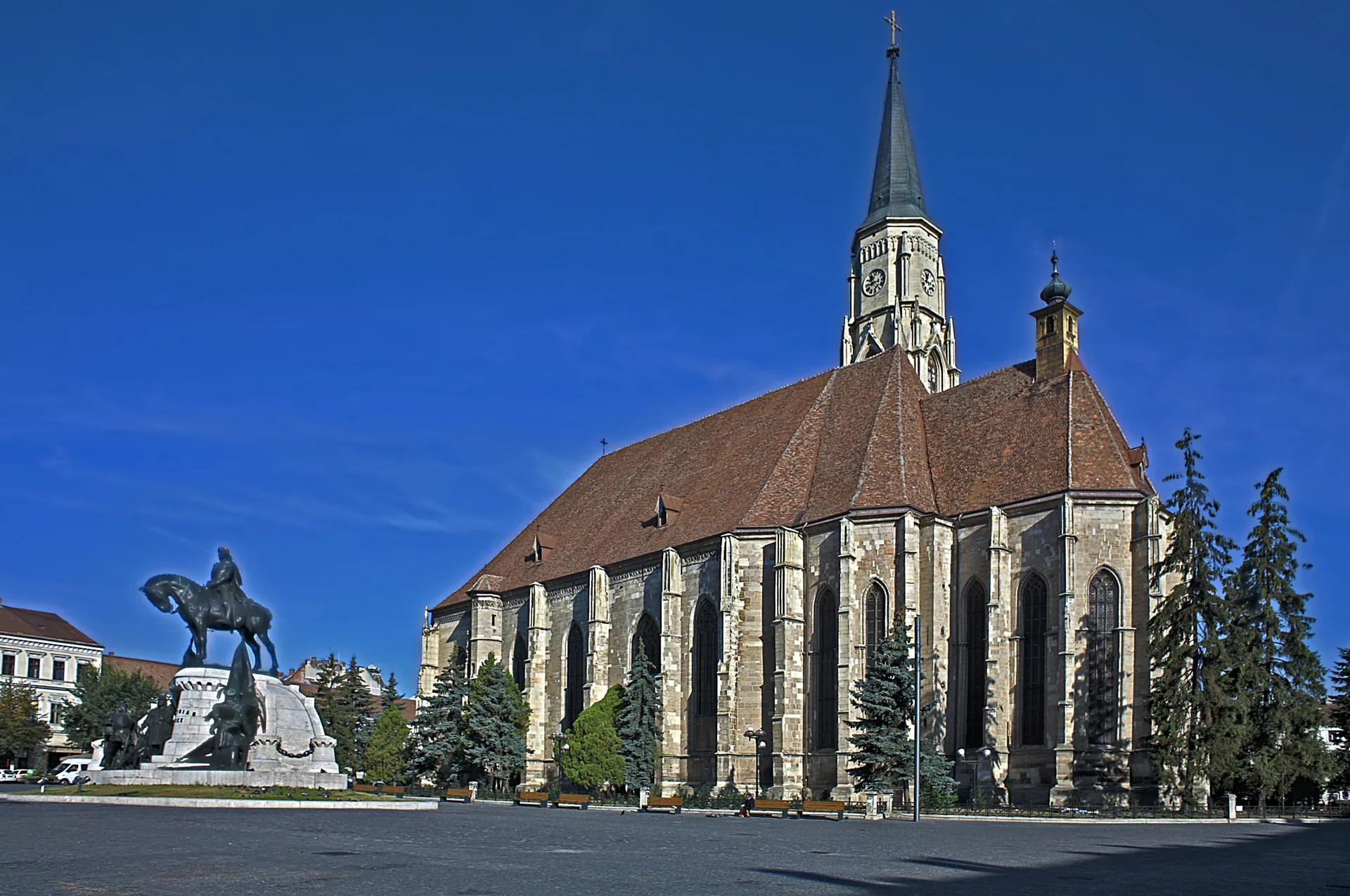
Bucharest is the capital and has the country’s principal airport hub. Cluj-Napoca offers a separate international airport base. Compare the cities around your intended work, family and travel routine: neighbourhood choice, schools and housing need address-level research before a commitment.
Romania has a temperate continental climate with considerable topographic variation. A summer reconnaissance visit will not establish winter commuting, heating or building conditions. Compare the actual address with the workplace, school and airport journey you will use; obtain current quotes for housing and services instead of relying on a national cost-of-living average.
From a country comparison to an implemented structure
A useful engagement produces a documented decision and a sequence of actions: establish the tax facts, compare the routes, choose a structure, then coordinate incorporation, banking, immigration and ongoing compliance. We can assess an existing proposal as well as design a new arrangement. Relevant external lawyers, accountants and management providers may need defined roles in delivery.
Bring an ownership chart, recent accounts, personal tax-residence history, family details and an outline of where work is performed. We use these to identify the real constraints and scope the work. Professional fees, government charges, investment capital and continuing provider costs should be separated in the proposal. An initial inquiry can establish fit before a paid specialist call is appropriate.
Sources & research notes8 references
Sources supporting this guide. Research draft awaiting editorial review.
- Romanian Fiscal Code — ANAF consolidated text, articles cited in each section
- ANAF Argeș — income tax and contributions applying to 2026 income, 22 January 2026
- ANAF Cluj — 2026 micro eligibility and new-company employee deadline
- OUG 194/2002 — current foreigners law
- European Union — Romania profile
- National Meteorological Administration — climate adaptation guide
- Bucharest Airports — official operator directory
- Avram Iancu Cluj International Airport — official operator