City at a glance
Choose Cluj for the routine you can build here
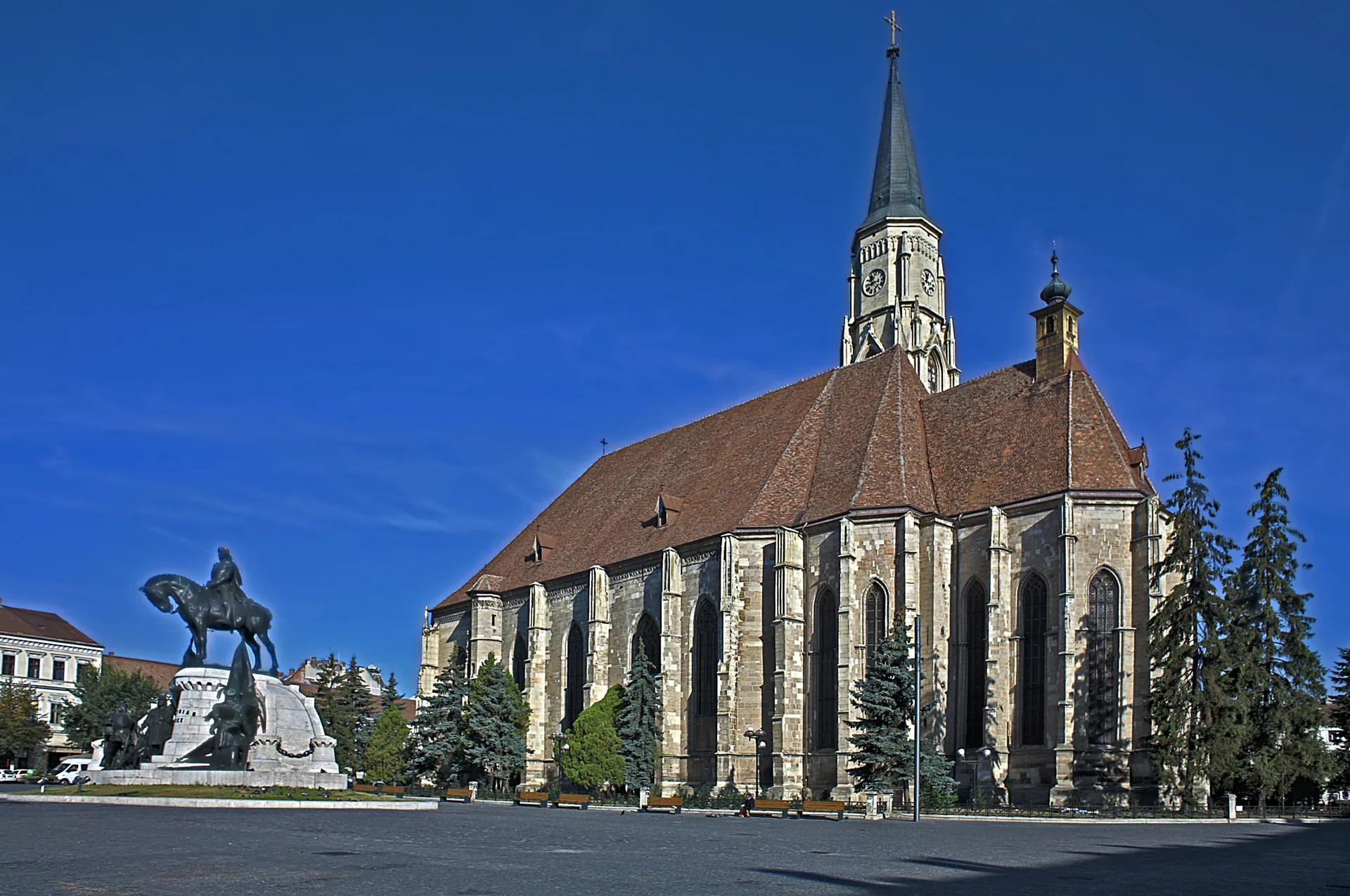
Cluj-Napoca brings a historic centre, universities, cultural activity and residential districts into a relatively legible urban setting. You can spend an evening around Piața Unirii, walk through Central Park and still choose a home outside the visitor streets. It suits a person who wants a city base with ordinary neighbourhood life rather than a capital-scale daily routine.
An attractive centre does not mean every home works without a car, or that a home outside the centre is inconvenient. The useful comparison is your repeated journey: office, school, groceries and airport. Treat a hillside address and a flat route along the Someș corridor differently. If you work remotely, decide how often you really need the centre before paying for immediate access to it.
What may appeal
- A historic centre with distinct residential alternatives
- Local airport and several public-transport access options
- Parks and neighbourhood markets can support an everyday routine
What to weigh up
- A valley-to-hills commute needs an address-specific test
- Surrounding communes should not be treated as interchangeable city districts
- School and language fit may narrow the housing shortlist
Neighbourhoods & finding a home
Websites to find a home
| Website | Search for | Coverage |
|---|---|---|
| Imobiliare.ro | Rent / Buy | Romania |
About these links
Property-search websites help you find listings; individual properties and agents have not been vetted by Offshore Capitalist. Confirm availability, the legal right to let or sell, and payment instructions before committing.
- Imobiliare.ro · Checked 2026-10-14
Choose Vânzare or Închiriere and the city or neighbourhood. Confirm the property address, lease term and agency costs.
Compare the valley, the hills and the centre
Use these areas to structure a viewing trip. The comments below are practical selection advice based on the city’s layout, not measured commute times, a safety ranking or a price index. Test the exact street and transit service.
| Area to explore | Why consider it | What to test |
|---|---|---|
| Historic centre / Piața Unirii | Daily walking access to central cafés, cultural venues and university buildings. | Evening noise, deliveries, stairs and the practical condition of older apartments. |
| Grigorescu | A residential shortlist on the western side, useful when river-side outdoor space matters. | The bridge/route to your destination, street parking and the distance from the particular home to services. |
| Plopilor / Central Park edge | A useful compromise to investigate between central activities and everyday residential life. | Event-day noise and crowds near major venues; compare an ordinary weekday with a busy weekend. |
| Gheorgheni / Între Lacuri | Established residential areas and eastern destinations may work well together. | Do not assume every address has the same access to green space, school or a direct bus. |
| Zorilor / Bună Ziua | Worth exploring if the desired home, school or workplace is on the southern side. | Walk the slopes, inspect winter access and test the actual bus journey rather than a straight-line distance. |
Inspect the working apartment, not only the listing
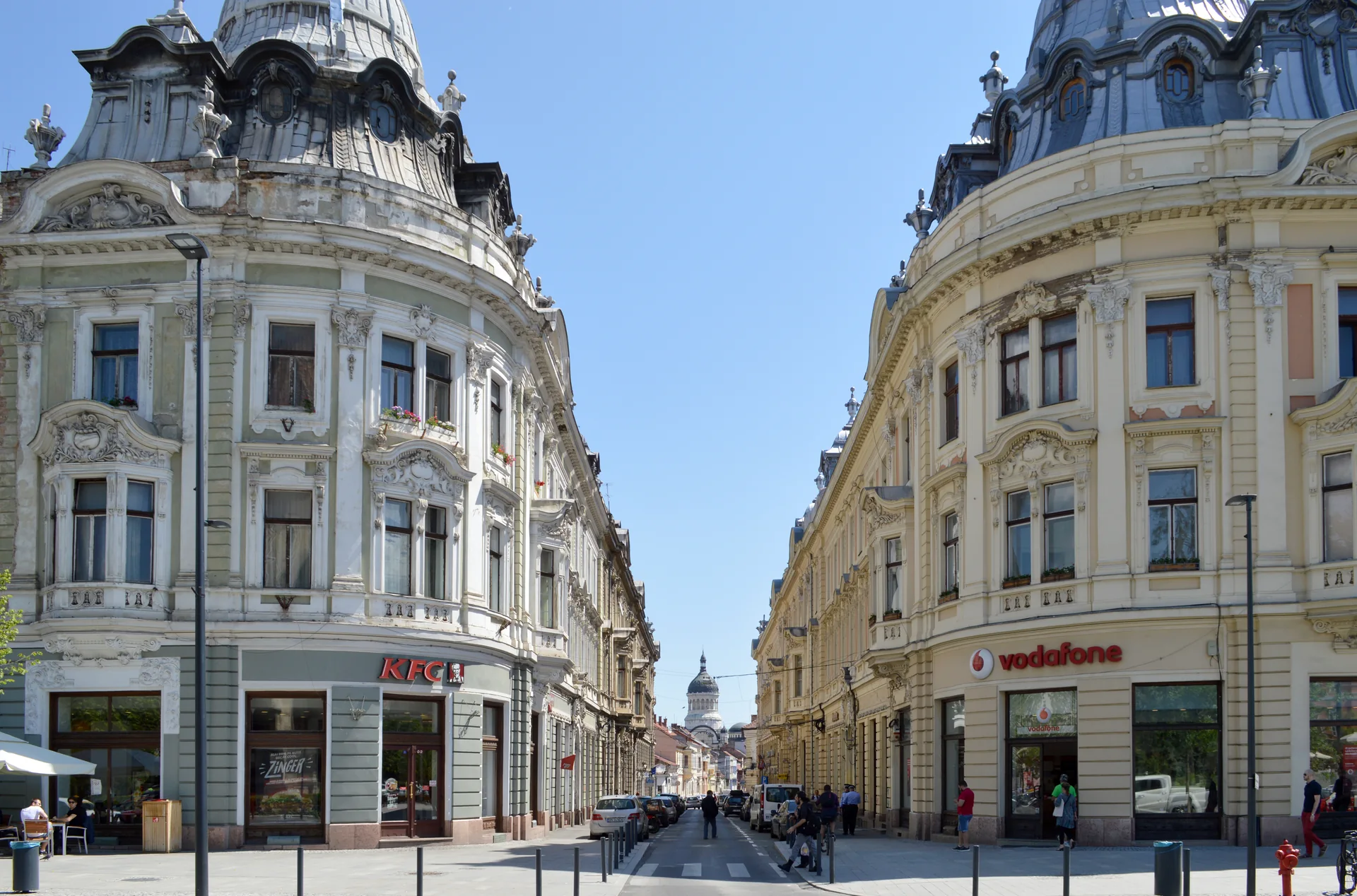
Cluj viewings should include the entrance, common areas and actual route back from transport. In a central older building, inspect the stairwell, roof-level signs of water ingress and the arrangements for shared repairs. In a newer development, check completed access, functioning lifts, refuse storage, parking rights and whether nearby construction is continuing. “New” describes age, not the quality of every system.
Ask for the owner’s authority to sign, a clear inventory, deposit terms, notice and responsibility for repairs. Record heating equipment, servicing arrangements and meter readings. Check internet availability at the exact apartment, not just in the district. A landlord’s willingness to sign the occupancy evidence needed for your residence category is worth resolving before the deposit, especially if the proposed agreement is a short-stay or informal arrangement.
Sources for this section
Compare rent with the cost of the routine it creates
Create an apartment comparison with four numbers: upfront cash, rent, building/utilities and transport. Add school or childcare costs separately. A lower rent is not necessarily a lower household cost if the location requires a car, paid parking and more time away from work. Likewise, a central apartment can be wasteful if you rarely use the centre.
Separate advertised figures from evidence. Ask for recent bills, clarify whether the quoted rent is in lei or euros and agree any currency conversion. If you need a furnished place immediately, compare a short initial tenancy with the cost of repeatedly moving. No deposit amount or agency commission is assumed here: use the written agreement and obtain advice on unusual terms.
| Scenario | Include in the comparison | Practical test |
|---|---|---|
| Home-office use | Quiet room, reliable connection, summer comfort and permitted use | Make a real video call during a viewing if the owner agrees. |
| Family routine | Confirmed school place, pickup hours and transport | Do a school-hour journey with the household, not only an agent. |
| Car-based option | Parking, insurance, maintenance and fuel | Check that the parking space is included and legally usable. |
| Temporary arrival | Flexible accommodation and later moving costs | Avoid buying furniture before confirming the permanent layout. |
Schools & childcare
Match the child’s stage before matching the neighbourhood
Contact the intended school and Cluj school inspectorate about the actual admission route. Recognition of school periods abroad is handled through the inspectorate, as CNRED explains; an overseas report card does not automatically become a Romanian placement in the same named year. Bring records showing subjects, completed years and assessment results, then establish translation and equivalence requirements.
Language deserves its own plan. Ask how the child will follow lessons, what support the school actually provides and how progress is assessed. For a private or international option, verify the exact campus, curriculum, accreditation, year-group space and continuation into later examinations. Compare meals, transport, activities and holiday coverage in addition to tuition. A short distance on the map is not useful if the school day and both parents’ work schedules are incompatible.
The county equivalence methodology covers Romanian, EU/EEA/Swiss citizens and people seeking or holding international protection. Other third-country families should confirm the applicable admission and recognition procedure with the school and education authorities; do not assume every nationality follows the same route.
Healthcare
Set up a usable care pathway
Confirm your coverage basis and choose a family doctor; funded care depends on insured status and the provider arrangement, not a lease. Check this separately for accompanying family members.
Prepare a medical summary, the generic names of regular medicines and a plan for prescriptions during the transition. Ask a prospective clinic whether the service is funded, self-pay or covered by a particular private policy, and whether specialist referrals are needed. Consider the trip to appointments as part of housing selection, especially for a child or adult needing repeated treatment. Private appointment availability does not establish that hospital care or an existing condition is insured.
Sources for this section
Getting around
A good city map is the beginning of the commute test
CTP publishes the operating bus, trolleybus and tram information. Start with a direct route where possible; compare the walking legs and service at the time you actually travel. A home can be close to a stop yet still require a transfer in the wrong direction. Use the current operator information for validation and ticket rules rather than an old visitor blog.
Keep nearby municipalities distinct from Cluj-Napoca itself. A listing marketed as “Cluj” may mean a home in a neighbouring commune with a different commute and local administration. If considering Florești or another outward option, visit during school and office travel times, then price the second car or additional childcare time if the journey demands it. Future rail or metro proposals should not be valued as an operating service.
Airports & international connections
CLJ has several bus options; match the flight to the timetable
Avram Iancu Airport’s current transport page lists A1E, 5 and 8 and links the CTP schedules. It gives approximately 26 minutes to the central area, an operator estimate rather than a guarantee for your entire journey. The services do not all have identical stopping patterns or terminal access.
Check the exact departure stop, operating day and final connection before a very early or late flight. A home on the airport side of town may reduce one journey while lengthening a daily school run. If your work depends on a specific international route, verify both winter and summer timetables with the airline. An airport’s overall route count says little about how often you can make the particular trip you need.
Sources for this section
Gateway options
Compare gatewaysAvram Iancu Cluj International AirportCLJ
InternationalCluj-Napoca ·  Romania
Primary gateway Cluj-Napoca. Compare the complete onward journey to Cluj-Napoca with your flight times, luggage and arrival hour.
International gateway for Cluj-Napoca. Compare the current destinations, operating season and ground transfer for your itinerary.
Sources & connectivity notes
International passenger services. Check current routes and seasonal schedules.
Research checked 2026-10-13. Routes can vary by season.
Climate & environment
Month by month
Cluj-Napoca — WMO city climatological series · 1981–2010 averages
January averages
- Mean daily high
- Mean daily low
- Monthly precipitation
°F and inches are converted from the metric values and rounded for display.
These 1981–2010 averages show the seasonal pattern of daily highs, daily lows and precipitation. They are historical climate normals, not a current forecast or limits on the weather you may experience.
The source identifies a city climate series but does not confirm a specific observation station. Use it as city-level context; elevation, neighbourhood and building conditions may differ.
All monthly values
| Month | Mean daily high | Mean daily low | Monthly precipitation |
|---|---|---|---|
| January | 0.5°C | -5.7°C | 25.7 mm |
| February | 3.0°C | -4.8°C | 24.5 mm |
| March | 9.5°C | -0.6°C | 31.0 mm |
| April | 15.8°C | 4.3°C | 50.9 mm |
| May | 21.2°C | 8.9°C | 66.9 mm |
| June | 23.8°C | 12.0°C | 90.5 mm |
| July | 25.9°C | 13.7°C | 85.7 mm |
| August | 25.8°C | 13.2°C | 65.9 mm |
| September | 20.9°C | 9.2°C | 48.5 mm |
| October | 15.2°C | 4.4°C | 37.2 mm |
| November | 7.4°C | -0.3°C | 32.1 mm |
| December | 1.6°C | -4.2°C | 35.5 mm |
Sources, station & data quality
WMO World Weather Information Service · Cluj-Napoca — WMO city climatological series. These averages describe the stated period; they are not a forecast. Temperatures are average daily highs and lows, not extremes. Precipitation is an average monthly total, not a count of wet days.
Use the published city series. The city JSON also carries stationName and city coordinates; the climate object does not independently establish that these identify the observation station for these normals.
The published series uses 1981–2010. It is not directly period-matched to the 1991–2020 series shown for some other cities.
Monthly mean temperatures are not published and remain unknown. No mean is estimated by averaging daily highs and lows.
The source supplies no completeness flags or available-year counts. Its city-record coordinates are not treated as a verified climate-station location.
The downloadable data also preserves rainy-day counts, defined as days with at least 0.1 mm of precipitation.
Celsius and millimetres are transcribed from the WMO city series. Fahrenheit and inches are calculated as °F = °C × 9/5 + 32 and inches = mm / 25.4, then rounded for display. Converted units do not add measurement precision.
Completeness flags and available-year counts are not supplied in this source. No station identifier has been assigned where the cited source does not identify one.
Cold winters, warm summers and useful green-space access
WMO’s Cluj-Napoca 1981–2010 series gives January mean daily high/low temperatures of 0.5/−5.7°C and July 25.9/13.7°C. June’s published average precipitation is 90.5 mm. These are historical city normals, with no basis for assuming a rain-free summer or that every hillside home has the same exposure.
Heating performance, draughts and winter walking access matter. During warmer months, investigate shade and ventilation rather than assuming a cooler national reputation makes cooling unnecessary. Central Park and the Someș-side setting can support an everyday outdoor routine, but choose a route you can also use after rain or in winter. Arrange a second visit in a different season if climate is central to the move.
Culture, community & daily life
Build a local week, then assess the longer-term fit
Municipal markets include neighbourhood options such as Grigorescu and Hermes. Exploring everyday shopping gives a more useful feel for an address than visiting only central restaurants. Try a Romanian class, a recurring sport or a cultural activity and see whether the journey still feels convenient after a working day.
For founders, keep the lifestyle decision connected to the operating model. Where you direct staff, negotiate contracts and make major decisions matters separately from where a company is incorporated. Use the Romania tax and employment guides for that analysis. A trial visit can test neighbourhood fit; it cannot by itself settle immigration permission, tax residence or a foreign employer’s obligations.
Sources for this section
What residents say
These are attributed public experiences, not client testimonials. Housing, neighbourhood and household circumstances affect the experience.
Planning your move
Your move, step by step
These are planning stages, not authority processing promises. Visa validity, registration requirements and school deadlines take priority over the suggested sequence.
01Fix the household’s non-negotiablesBefore the scouting trip
Identify the work location, education route, health needs and legal basis for each person. Separate a Cluj city address from a surrounding-commune alternative.
Documents & evidence
- Passports
- Work/remote-work arrangement
- School and medical summaries
- Choosing a district before checking the school
- Treating a short visit as permission to work
02Test two different neighbourhood routinesDuring the scouting visit
Compare a central or valley route with the other area you are considering. Include groceries, an evening return and the airport connection where relevant.
Documents & evidence
- Viewing checklist
- Current CTP routes
- Flight dates and arrival plan
- Relying on future infrastructure
- Using a quiet weekend as the only commute test
03Secure the documented homeBefore committing relocation funds
Agree the lease, utilities and deposit evidence. Obtain the housing documents your actual immigration route needs, including all authorised occupants.
Documents & evidence
- Signed lease
- Owner/signatory evidence
- Inventory and meter readings
- An informal arrangement that cannot support the application
- Unclear currency conversion or repair responsibility
04Complete the registrations and servicesAfter entry, within applicable deadlines
Follow the relevant IGI process and host-reporting rules. Confirm school placement, insured status, doctor enrolment and home connectivity.
Documents & evidence
- Entry evidence
- Application and insurance records
- School equivalence/admission documents
- Confusing EU registration with third-country host reporting
- Assuming a clinic subscription covers every service
05Review the practical and tax positionAfter the first full working month
Use actual journeys and bills to refine the budget. Keep a presence calendar and reconcile the new work location with personal and business tax advice.
Documents & evidence
- Bills and commute notes
- Travel log
- Accountant/employer follow-up list
- Ignoring business-management consequences
- Leaving renewal evidence scattered between providers
Sources & research notes14 references
Sources supporting this guide. Research draft awaiting editorial review.
- IGI — residence registration for EU/EEA/Swiss citizens
- OUG 194/2002 — current foreigners law
- IGI — third-country accommodation reporting; EU/EEA/Swiss distinction
- CNAS — insured person guide, January 2025 edition, access and provider workflow
- CNRED — school-period recognition through county/Bucharest inspectorates
- ANAF — tax-residence guidance
- WMO WWIS — Cluj-Napoca city 2091,1981–2010 climatological series
- Cluj Airport — current A1E, 5 and 8 public transport
- CTP Cluj-Napoca — official routes and passenger information
- Municipal VisitCluj — Central Park Simion Bărnuțiu
- VisitCluj — municipal destination map and attractions
- Cluj municipality — markets and neighbourhood food markets
- r/cluj — Moving to Cluj,27 January 2025
- Education Ministry — OMEC 7303/2024 methodology, consolidated November 2025, published by Timiș inspectorate
In a January 2025 r/cluj discussion, one participant recommended the relatively level east–west corridor from Grigorescu to Gheorgheni/Între Lacuri, while another suggested Plopilor for access to the park and river. Others warned about suburban commuting. Their disagreement over budgets reinforces the need for your own route test and written quotations.
Published, self-selected forum comments; identities and residence were not independently verified. Anecdotal viewing prompts, not a representative survey, current price benchmark or our client testimony.