

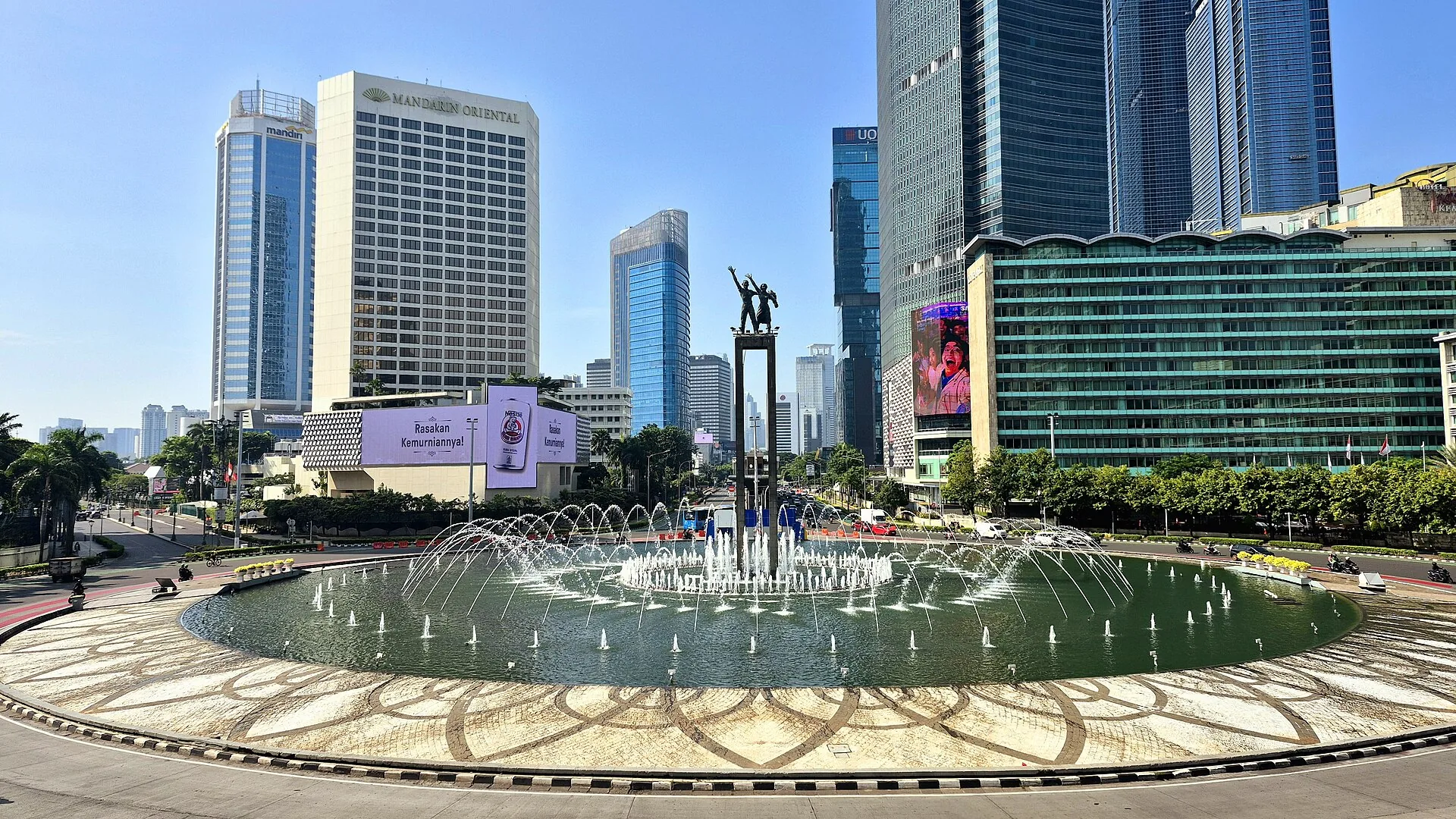

Plan beyond the image of Bali
Indonesia can be a place to live, build a local business or work for an overseas organisation, but those are different legal situations. Residence permission, company licences and tax obligations must fit the real activities. Property arrangements and a household move deserve independent due diligence rather than being treated as accessories to a visa.
Residence can arise from intention
The Directorate General of Taxes describes residence, more than 183 days in a 12-month period, and an intention to reside as relevant domestic-tax-subject criteria. The intention element means a person should not assume that the first 183 days are always tax-free. Official guidance states that resident foreigners generally report worldwide income, subject to applicable law and relief.
Verified national visa categories
The national Immigration Directorate pages for E33G and E33 were verified in this review. E33G addresses qualifying remote work for an overseas company; E33 has a second-home financial or apartment commitment. The linked programme guides set out the current evidence, government fees, post-arrival duties and published processing targets. Neither category is described here as an automatic tax exemption.
Long-stay residence can establish tax intentions early
Regulation PER-23/PJ/2025 explains that Indonesian residence is not solely a test of more than 183 days in twelve months. A settled home, centre of activities or intention to reside can also be relevant. Its examples of intention include a limited-stay visa or permit valid for more than 183 days, a long employment agreement, a residential lease exceeding that period or moving family members.
This matters to someone applying for a one-year remote-worker permission. It is unsafe to assume that income remains outside Indonesian taxation until day 184 simply because the applicant arrived recently. Prepare the residence chronology before the move and analyse worldwide income, existing businesses and any available treaty or statutory relief. Immigration eligibility and tax planning should be designed together.
E33G and E33 require different evidence and commitments
The E33G national page asks for an overseas-company employment contract and evidence of at least US$60,000 annual income, alongside the general identity, bank and travel documents. Its government charges total IDR7 million for the published one-year package. The second-home E33 page instead describes a US$130,000 deposit in the applicant’s own account at a state-owned bank or a US$1 million apartment commitment, with reporting after entry.
These are not equivalent financial tests. Income demonstrates earning capacity; a qualifying deposit or property is capital that must satisfy continuing conditions. A small bank-balance document requested for the visa file is not a substitute for the second-home investment commitment. Check the actual approval and current government instructions before acquiring property or transferring capital. Property rights and investment quality need their own due diligence.
A foreign company can acquire an Indonesian tax connection
The 2025 residence regulation expressly addresses a company’s centre of management and control. Strategic decisions concerning investment and operations made in Indonesia can be relevant, including important asset transfers, appointment of operational managers and control of dividends. Foreign incorporation and a foreign bank account do not settle the company’s domicile if those decisions are really made from Indonesia.
CFC rules are a separate issue for resident investors in foreign entities. The 2019 changes focus the deemed-dividend framework on specified income categories, including relevant dividends, interest, rents, royalties and gains, with exceptions. Review the ownership chain and actual income rather than assuming all retained profits are exempt or that all foreign companies produce the same attribution. The individual, operating company and investment holding entity need separate analyses.
Put post-arrival obligations into the implementation plan
E33G and E33 have published online issuance and stay-permit processes, but preparation, payment, entry and post-arrival evidence are different stages. A government processing target starts at the stated trigger, not at the first conversation with an adviser. Confirm how family permissions, address records, banking and any work or business licences interact with the selected route.
DGT’s 2026 guidance reiterates worldwide-income reporting for resident foreigners and says the four-year source-limited expert treatment requires specific expertise and DGT approval. It also rejects the idea that a retirement immigration category automatically exempts someone from residence rules. Build records from the beginning: travel, income, foreign taxes, ownership and business decisions. On departure, tax-registration changes require a separate evidence-based process; cancellation of immigration permission does not automatically close the tax account.
How Offshore Capitalist can help
Share your current residence, nationality, business activities and intended changes through the inquiry form or WhatsApp. We can assess the cross-border issues, explain the work required and coordinate the agreed implementation. For this jurisdiction, local regulated work and government decisions remain with the relevant qualified providers and authorities. We confirm scope and fees before starting.
Sources & research notes11 references
Sources supporting this guide. Research draft awaiting editorial review.
- DGT: tax return reporting for foreign citizens
- DGT: domestic and foreign tax-subject criteria
- Depok Immigration: residence categories including E33G
- West Jakarta Immigration: second-home proof-of-funds requirements
- DGT Regulation PER-23/PJ/2025: individual and company residence
- DGT 2026: resident foreigners and the approved four-year expert treatment
- Indonesian Immigration: E33G remote-worker visa current checklist
- Indonesian Immigration: E33 second-home visa current checklist
- DGT: 2019 CFC amendment and specified passive income
- Ministry of Finance: PMK107/2017 CFC ownership framework
- DGT: current NPWP deletion application and documents