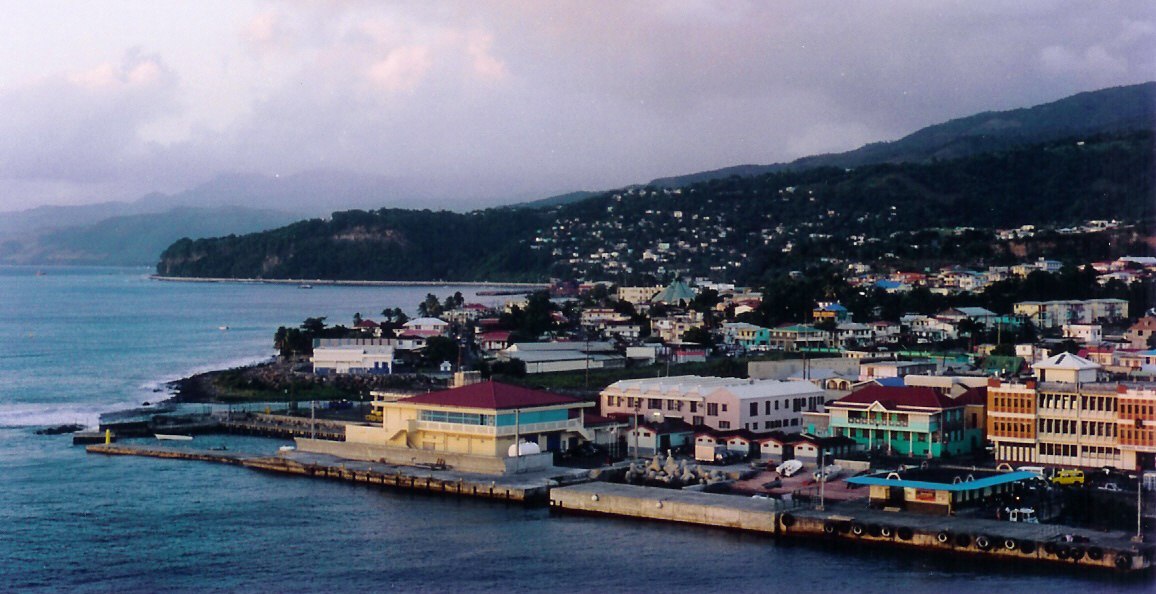

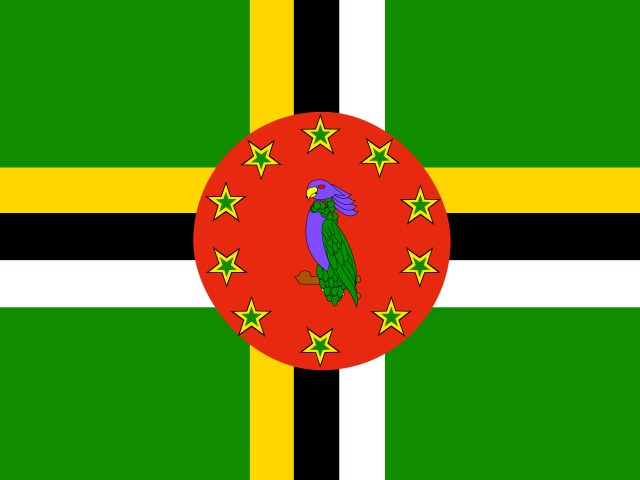
A distinct country and a distinct planning decision
The Commonwealth of Dominica is different from the Dominican Republic. Its citizenship programme offers a government-contribution route and approved real estate. For an applicant, the first question is what citizenship adds: a right to belong and live in another country, a travel improvement, or an option for family members.
The decision should account for existing nationalities and residence rights. More passports can add administration without improving the journeys or life options that matter.
Contribution and property solve different financial problems
The Economic Diversification Fund is a non-refundable contribution. Approved property exposes the buyer to a project and requires additional government fees and holding conditions. A similar starting threshold does not make their total cost or risk equivalent.
Compare the complete family budget, not only the main applicant’s advertised minimum. Older children and parents have specific dependency conditions; future family additions may need a separate application.
Use destination rules for travel comparisons
The EU Council currently lists Dominica for visa-free Schengen short visits, subject to the relevant conditions. The UK requires a visa, and Dominica is not a U.S. Visa Waiver Program member. A global passport score can conceal these differences.
Visitor access does not grant work or residence rights in the destination. Rules can also change after citizenship is obtained, so travel access should be one part of the decision rather than its entire value.
Residence and tax remain separate
The CBIU says its citizenship route does not require residence before or after approval. That programme statement should not be turned into a claim of tax residence or tax freedom. If you continue living in another country, its tax rules continue to apply.
Anyone actually moving to Dominica or operating a local company needs a separate analysis of local taxation, work and business obligations. We can help assess citizenship alongside the existing structure and coordinate the appropriate application support.
Two routes with materially different cost and risk
The EDF contribution is USD 200,000 for a single principal or USD 250,000 for the principal and up to three qualifying dependants, with supplements for a larger family. It is a non-refundable payment. The approved-property route requires at least USD 200,000 in a qualifying unit plus government fees starting at USD 75,000 for one person or USD 100,000 for the stated family category.
Due diligence, processing, interviews and citizenship documents are additional in both cases. A property interest may retain value, but its resale depends on the actual asset and contracts. The minimum hold is normally three years after citizenship, rising to five when the buyer is another CBI applicant.
The evidence burden should be understood before applying
The citizenship file includes disclosure, fingerprint/photo verification, medical and investment forms. Police certificates can be needed from multiple countries, including certain residences during the preceding ten years. Applicants sixteen and older undergo mandatory interviews; the authorised agent cannot speak in place of the applicant.
A client with several nationalities, businesses or former homes should assemble a chronology before ordering records. The useful preparation is a coherent account of identity, family, residence, wealth and funds. A well-documented file is also easier to explain to financial institutions after citizenship is granted.
A realistic programme timeline has several endpoints
The official FAQ indicates at least three months from submission to approval in principle; a 2026 CBIU guide describes approximately three to six months as a general guide. Neither includes a promise that a passport will arrive on a particular date. Requests, complex due diligence and document preparation can affect the sequence.
After approval in principle, the required contribution or investment is completed and verified. Naturalisation and passport issuance follow as separate document steps. Do not schedule a critical business trip around a preliminary approval, and keep the existing passport valid during the application.
When this citizenship may or may not add value
Dominica can add a national home option and specific travel flexibility for a family whose current position is restrictive. It may add less for someone who already has comparable rights and wants only a UK visitor waiver, because the UK currently requires Dominican citizens to obtain a visa. The US also requires its own visa analysis.
For an intended physical move, compare the household’s business, tax and daily-life requirements with the island rather than assume citizenship makes every other decision straightforward. Offshore Capitalist can coordinate that assessment and the appropriately authorised application process.
Sources & research notes12 references
Sources supporting this guide. Research draft awaiting editorial review.
- Dominica CBIU — Economic Diversification Fund
- Dominica CBIU — Official FAQ
- Council of the EU — Visa policy and visa-free countries
- UK government — Current visa requirements
- U.S. State Department — Visa Waiver Program
- Dominica Inland Revenue — Tax residence and overseas income
- Dominica Inland Revenue — Current rates
- Dominica Inland Revenue — Corporate tax and filing
- CBIU — Real-estate terms
- CBIU — Document checklist
- CBIU — Current process guide
- CBIU — Interviews and due diligence