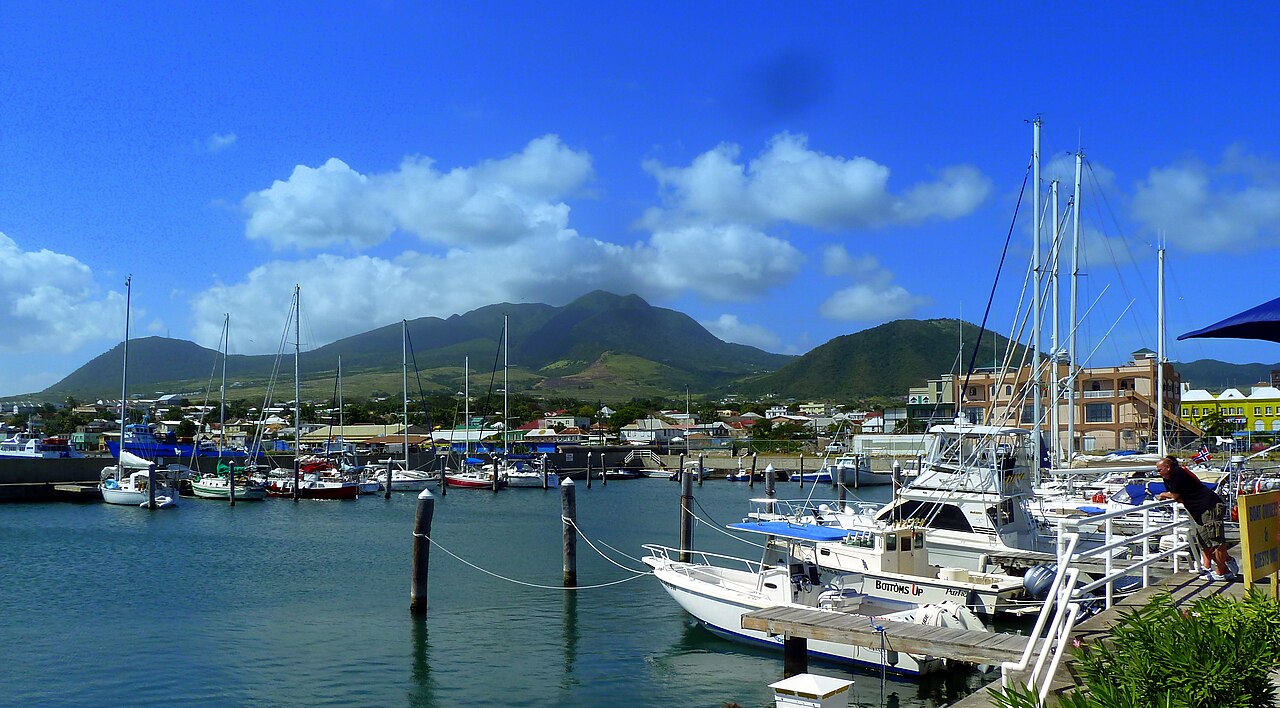
From eligibility to citizenship documents
Qualifying residence or marriage periods are separate from government processing. A complete file does not guarantee approval.
01Establish the routeBefore fees or investment
Check descent and family entitlement first, then compare residence-based and investment routes. Resolve dual-nationality restrictions before selecting the application.
Documents & evidence
- Citizenship and civil-status records
- Residence chronology
- Family schedule
- Using an investment estimate for ordinary naturalisation
- Overlooking an existing family route
02Build and check the evidenceBefore submission
Prepare the route-specific application with consistent identity, background and financial evidence. Use the official checklist and the correct authorised channel.
Documents & evidence
- Police and civil records
- Translations and authentication
- Funds or residence evidence
- Missing historic names or residences
- Unexplained source of wealth
- Unproved adult dependency
03Government review and conditionsAuthority-dependent
Answer requests, attend required interviews and complete the investment or other conditions only in the prescribed order. Keep the decision and conditions with the permanent file.
Documents & evidence
- Submission record
- Requests and responses
- Approval conditions
- Treating approval in principle as final citizenship
- Funding an unapproved investment
04Certificate, passport and continuing dutiesAfter final approval
Complete the oath or registration requirements and obtain citizenship and travel documents. Record holding conditions, presence obligations, later family additions and renewal dates.
Documents & evidence
- Citizenship certificate
- Passport application
- Post-approval calendar
- Assuming every future family member is automatically covered
- Assuming passport access can never change
Document checklist
Track your preparation in this browser. Final requirements depend on the route and filing authority.
Citizenship routes at a glance
Saint Kitts and Nevis has constitutional family routes, residence-based citizenship and investment citizenship. The relevant legal basis determines the evidence, timing and continuing obligations. A comparison should not collapse them into a single passport processing time.
| Route | Who it is for | What needs checking |
|---|---|---|
| Birth / descent | A qualifying connection under the Constitution and Citizenship Act | Prove parentage, dates and the parent’s mode of citizenship; use the appropriate registration or proof process. |
| Marriage / minor child | A person within the relevant family-registration provision | Current marriage and child regulations govern the application evidence and verification. Marriage alone is not the citizenship certificate. |
| Ordinary registration / naturalisation | A qualifying residence-based applicant | Published revised Act still contains fourteen-year references; a 2020 government bill notice proposes seven. The enacted amending position must be reconciled before a personal eligibility date is given. |
| Investment citizenship | An eligible adult and qualifying dependants | Current CIU route, due diligence and investment rules apply; the 2026 genuine-link transition needs applicant-specific confirmation. |
Resolve the actual rule before selecting a timeline
The older consolidated citizenship text and the government’s 2020 amendment announcement do not, by themselves, establish one safe current ordinary-naturalisation threshold. A bill announcement is not a substitute for an enacted amendment and commencement evidence. This guide preserves that conflict instead of presenting a convenient number.
Investment applicants face a different current-law question: the CIU has described a 2026 transition towards a genuine connection. Confirm the applicable presence, biometric and ongoing requirements with the authorised agent and preserve the written basis for the application.
Investment citizenship: compare the commitments
A contribution is normally an irreversible programme payment. A qualifying property or bond ties up capital and adds holding, approval and disposal conditions. The appropriate comparison is total cost, liquidity, family fit and the legal rights obtained.
| Question | Current programme overview |
|---|---|
| Route | Contribution / approved investment; 2026 transition requires confirmation |
| Commitment | Published SISC USD 250,000 up to four people plus applicable fees |
| Presence | Official-source conflict: SISC no-residence statement versus 2026 genuine-link transition |
| Timeframe | SISC page: 120–180 days to notification, which can include delay |
| Family | Qualifying dependants; extra contributions and due diligence depend on age |
Cost depends on age and family size
The published SISC base of USD 250,000 covers the principal alone or the stated family of up to four. Beyond that family size, the contribution rises by USD 25,000 per extra dependant below eighteen or USD 50,000 per extra adult. Due diligence is a separate USD 10,000 for the principal and USD 7,500 for each applicable dependant sixteen or older.
A principal and spouse with two children below sixteen therefore have USD 267,500 in the published base contribution and adult due-diligence components, before other government, interview, document, passport and professional costs. This is a transparent subtotal, not an all-inclusive quote or a guarantee of eligibility.
Family inclusion depends on the route
Investment-programme dependants, children acquiring citizenship through a parent, and spouses applying through marriage are separate legal categories. The applicable age is the age under the actual route and relevant application date; it is not a country-wide definition of a dependant.
Prepare a family schedule showing date of birth, biological or adopted relationship, education, marital status, living arrangements and financial support. It is especially useful when a child is approaching an age limit or a parent will join later.
| Evidence | Why it matters |
|---|---|
| Birth, marriage and adoption records | Establish the legal relationship and link changes of name. |
| Education and support | Show the adult dependant satisfies the actual programme definition. |
| Custody and consent | Establish authority to apply for a child and whether a non-applying parent must consent. |
| Future family changes | Distinguish original inclusion from a later-addition application and separate fees. |
Dual nationality and passport use
The citizenship programme permits dual citizenship. Check the other nationality’s law and the conditions attached to the particular grant.
Passport travel access is a separate moving target. Check the destination’s entry rules for the actual travel date and purpose; visa-free tourism does not usually confer residence or permission to work. Tax residence and reporting obligations must also be assessed independently of citizenship.
Build an application that can be verified
We help assess which route fits the objective, coordinate the relevant providers and connect the citizenship decision to your wider family and business arrangements. Start with all current nationalities, the family members to include, prior refusals, budget and the places where you actually want to live or do business.
The work should produce an evidence-based route decision and an implementation sequence: the responsible authorised or local professional, the document list, the government and professional cost layers, and the obligations that continue after approval.
Sources & research notes10 references
Sources supporting this guide. Research draft awaiting editorial review.
- lawcommission.gov.kn — official requirements
- www.sknis.gov.kn — official requirements
- lawcommission.gov.kn — official requirements
- ciu.gov.kn — official requirements
- ciu.gov.kn — official requirements
- www.consilium.europa.eu — official requirements
- www.gov.uk — official requirements
- www.sknird.com — official requirements
- travel.state.gov — official requirements
- ciu.gov.kn — official requirements