City at a glance
A working base around Road Harbour
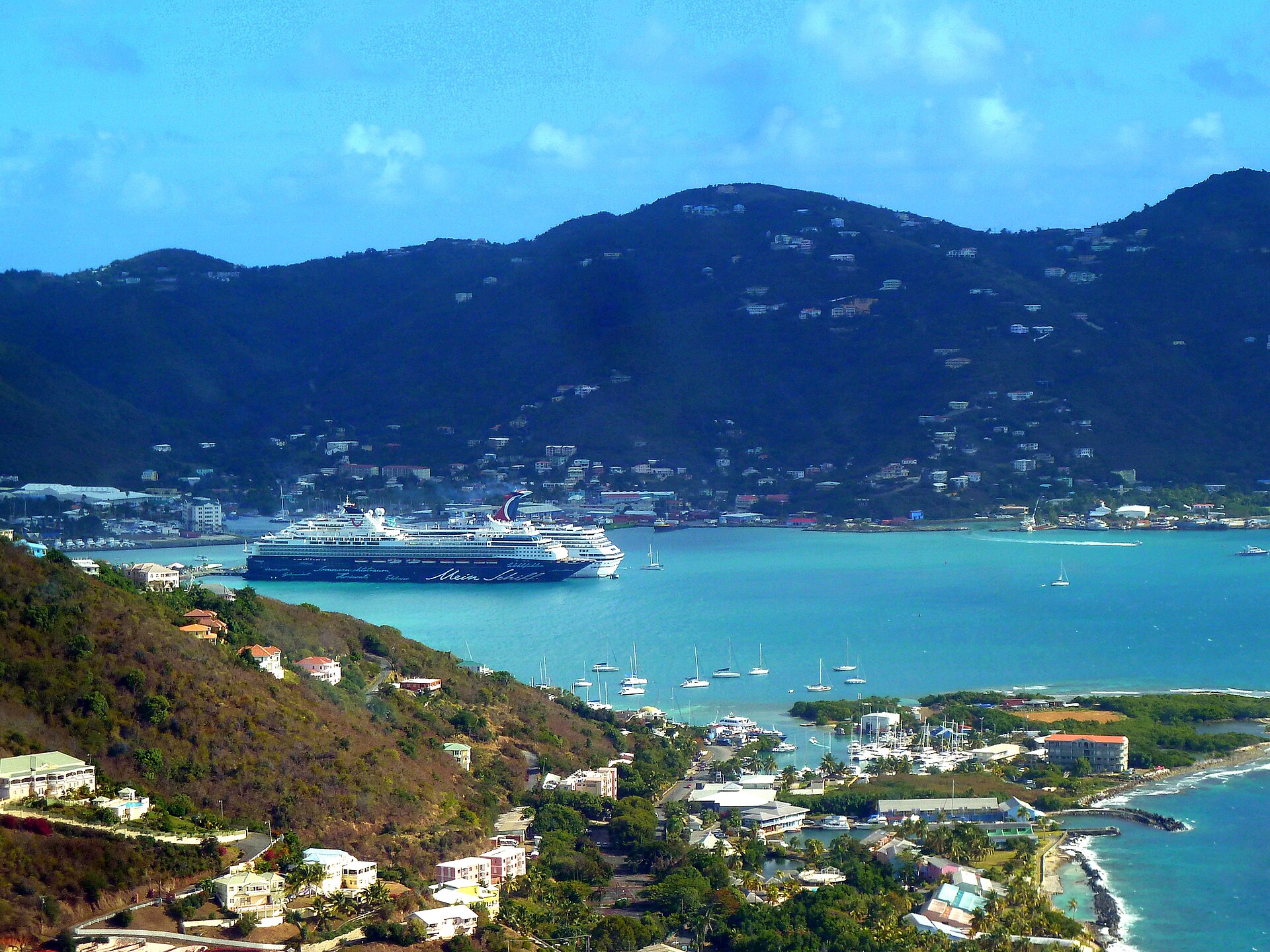
Road Town is the BVI’s capital on Tortola and a practical base for people whose week includes professional services, government administration and regular inter-island travel. Its waterfront setting is part of everyday life, but it is a working town rather than a self-contained beach resort. Judge it on a normal weekday as well as on a sightseeing visit.
For a household relocating for work, put the exact office, school, grocery trip and harbour connection on the same map. A hillside home above town and an address near the waterfront can look close while creating very different daily routines. An entrepreneur should also test calls and internet access from the actual property, not assume island-wide performance from an advertisement.
What to weigh before making Road Town your base
Road Town is most compelling when access to the BVI’s administrative and professional centre and a Caribbean island routine both matter to you. It is a more demanding fit if the household depends on a dense public-transport network, frequent long-haul travel without connections or a very broad local specialist-service market. Test those needs through a scouting stay rather than assuming a capital city provides a large-city experience.
| Factor | Potential benefit | Trade-off |
|---|---|---|
| Administrative and professional access | A practical starting point for a work-based BVI move. | Choose the home around the actual office and appointments. |
| Harbour and sailing setting | Water access and a local sailing community. | Budget transport, equipment and weather disruption realistically. |
| Small-island connectivity | Regional flights and international ferry alternatives. | Limited frequency, separate tickets and border conditions can matter more than distance. |
| Household resilience | A well-chosen home can support island living and work. | Inspect water, power, storm protection and access rather than assuming these are included. |
What may appeal
- Practical access to BVI administration and professional services.
- Road Harbour and sailing community.
- Domestic ferry connections and international air/ferry options.
What to weigh up
- Connections, separate tickets and immigration conditions complicate some international trips.
- Housing needs careful checks for access, water and storm resilience.
- Specialist healthcare and other household requirements need advance confirmation.
Neighbourhoods & finding a home
Websites to find a home
| Website | Search for | Coverage |
|---|---|---|
| Red Coral BVI | Rent / Buy | Tortola and the British Virgin Islands, including the Road Town area |
About these links
Property-search websites help you find listings; individual properties and agents have not been vetted by Offshore Capitalist. Confirm availability, the legal right to let or sell, and payment instructions before committing.
- Red Coral BVI · Checked 2026-10-14
Agency portfolio mixes monthly rentals and sales. Select the location and confirm the drive to Road Town; a Tortola property is not necessarily within town.
Inspect the home as an island property
Use temporary accommodation to test the practicalities before accepting a longer lease. Inspect ventilation, damp, insect screening, water storage, drainage and the condition of windows and shutters. Ask who maintains any cistern, pump or generator, who pays for repairs and what happens after a storm.
Put deposit, inventory, utilities, permitted occupancy, notice and early-termination terms in writing. Compare the whole monthly cost, including transport and backup arrangements. This guide does not publish an unverified rent average: view current properties that genuinely meet your household’s requirements.
Sources for this section
Schools & childcare
Get written answers on healthcare and schooling
Check NHI enrolment and contribution category alongside employment registration. Establish where routine treatment will occur, how existing prescriptions will be supplied, and what happens if specialist treatment or evacuation is needed. A contribution rate is not a complete description of benefits or out-of-pocket costs.
Contact the actual school before choosing housing. Ask about admissions evidence, year placement, calendar, transport and any learning or medical support the child needs. Immigration may require a school-admission letter; it does not allocate a school place. Keep the child’s permission and eighteenth-birthday transition in the family calendar.
Getting around
Compare the address, access road and daily journey
These are starting areas for a scouting visit, not a ranking or a claim about current rents. Road Town’s immediate harbour districts and homes on the surrounding hills offer different compromises. Ask a local agent to show the exact access route and inspect it yourself in daylight and after dark.
| Area to explore | Potential appeal | What to test |
|---|---|---|
| Central Road Town / Main Street | Access to central shops, offices and services. | Parking, traffic/noise, shade and the actual walking route to work. |
| Wickhams Cay and waterfront areas | Convenient for harbour-side business and services. | Building access, privacy, flood/storm planning and the full housing cost. |
| Pasea and eastern approaches | A base near the documented RiteWay/Pasea shopping area. | The highway crossing, school route and trip back to central offices. |
| Road Reef and southwestern harbour | Proximity to the sailing community and Road Harbour. | Whether the chosen property genuinely supports your commute and daily errands. |
| Hills above town | A different outlook and potential separation from the busiest streets. | Steep access, vehicle needs, water storage, wind exposure and storm preparation. |
| Other Tortola coastal bases | An alternative lifestyle choice outside central Road Town. | Drive the full work/school trip; do not present them as walkable Road Town neighbourhoods. |

Airports & international connections
Airport and ferry access are different connections
Terrance B. Lettsome International Airport (EIS), on Beef Island, is the principal air gateway for a Road Town household. Check ground transport and the operating dates of any direct or connecting flight. The Tourist Board identifies Miami as well as regional gateway options; an older claim that every journey requires a Caribbean connection should not be repeated.
Road Town’s ferry connections include domestic trips to other BVI islands and international journeys involving the US Virgin Islands. Some services instead use West End or Trellis Bay. Always identify the actual terminal before booking a taxi or onward ticket. An itinerary through St Thomas introduces US immigration/transit requirements and may need an overnight stay.
Driving is on the left. Before hiring or buying a vehicle, check the licence and insurance rules for your circumstances and try the route you will use daily. A boat trip, road transfer and flight on separate tickets should not be treated as one protected connection.
| Connection | Use | Planning check |
|---|---|---|
| EIS — Terrance B. Lettsome | Main international air gateway for Tortola | Confirm route dates, luggage and the road transfer. |
| Road Town ferry terminal | Domestic island links and international USVI services | Check operator, terminal, border requirements and last departure. |
| West End / Trellis Bay | Other Tortola-side ferry departure points | Not the same departure point as central Road Town. |
| VIJ / NGD | Other BVI island airports | Useful for those islands; not substitute Road Town airports with an equivalent scheduled network. |
Gateway options
Compare gatewaysTerrance B. Lettsome International AirportEIS
InternationalBeef Island, connected by bridge to Tortola ·  British Virgin Islands
Primary gateway Arrive on Beef Island and continue by road across the bridge to Tortola and Road Town. Arrange the transfer before arrival; late flights can miss onward ferries to other islands.
The principal air gateway for a Road Town base. Consider connection protection and the final road journey; onward travel to another island may need a ferry or small aircraft.
Sources & connectivity notes
International passenger connections include Miami and regional gateways; individual services can be seasonal.
Research checked 2026-10-14. Routes can vary by season.
Climate & environment
Build a hurricane-season routine
The warm Caribbean setting makes outdoor life and sailing attractive, but hurricane season from June to November belongs in the housing and travel plan. Follow official weather/emergency advice and identify how your household will receive warnings, store essentials and communicate during a disruption.
For a home-based business, test a realistic backup arrangement for power and connectivity. For family travel, know the conditions of cancellation and evacuation cover. The right choice is not simply the home with the best view; access, maintenance and the ability to continue ordinary life matter.
Sources for this section
What residents say
Two resident experiences, with their context
In a January 2025 first-person account, lawyer Ollie Terry describes arriving from Jersey, employer support with the move and a welcoming professional environment. This is a useful account of one supported relocation, published by his employer; it is not a survey of every newcomer’s housing or employment experience.
A November 2020 profile of artist Christine Taylor describes a home and studio in the hills above Road Town and recovery after Hurricane Irma. It gives historical context for the appeal of a home workspace and the reality of storm resilience. It should not be read as evidence of today’s rents or service reliability.
Sources for this section
These are attributed public experiences, not client testimonials. Housing, neighbourhood and household circumstances affect the experience.
Artist’s hillside home/studio and experience rebuilding after Hurricane Irma.
Historical named-resident interview; not evidence of current rents or conditions.
Planning your move
A practical first-arrival sequence
Use approval, arrival and settling-in stages rather than a promised four-week move. Keep an accessible digital and paper file of permissions and civil documents. The objective of the first weeks is to make a lawful and workable routine, then choose the longer-term housing arrangement.
| Stage | Action | Common mistake |
|---|---|---|
| Before travel | Confirm work/entry permissions for every person and arrange temporary housing. | Do not treat a company registration or pending application as personal permission. |
| Before arrival | Complete the current digital entry/departure form and verify flight/ferry transfers. | The government service specifies a 72-hour window; the form does not guarantee entry. |
| Arrival formalities | Check stamps, employer instructions and required registrations. | Retain evidence and record expiry dates immediately. |
| First settled weeks | Visit shortlisted homes, test commutes, finalise school/health arrangements. | Inspect the address and services before accepting a long lease. |
| Once established | Maintain accounts, payroll/coverage and the family’s status calendar. | Plan in advance for renewals and children turning eighteen. |
Your move, step by step
A planning sequence, not an official processing-time promise.
01Before travelBefore travel
02Before arrivalBefore arrival
03Arrival formalitiesArrival formalities
04First settled weeksFirst settled weeks
Sources & research notes14 references
Sources supporting this guide. Research draft awaiting editorial review.
- BVI Tourist Board — Road Town Wholesale/RiteWay
- BVI Tourist Board — Ferry schedules
- BVI Tourist Board — Royal BVI Yacht Club
- FCDO — BVI safety and security
- VI Life & Style — Christine Taylor’s studio
- BVI Tourist Board — Arriving by air
- BVI Tourist Board — Arriving by sea
- FCDO — BVI health
- Social Security (National Health Insurance) Regulations 2015
- National Health Insurance — Maximum insurable earnings 2026
- Government — Apply for Residence Status
- Ollie Terry — My first impressions of the BVI
- Department of Labour — Payment requirement for new work permits
- Government — Complete your BVI Entry and Departure Card
Employer-supported professional relocation from Jersey and a welcoming first impression; one individual’s January 2025 experience.
First-person employer-published account, not a representative survey.