City at a glance
Choose between the harbour city and the wider working region
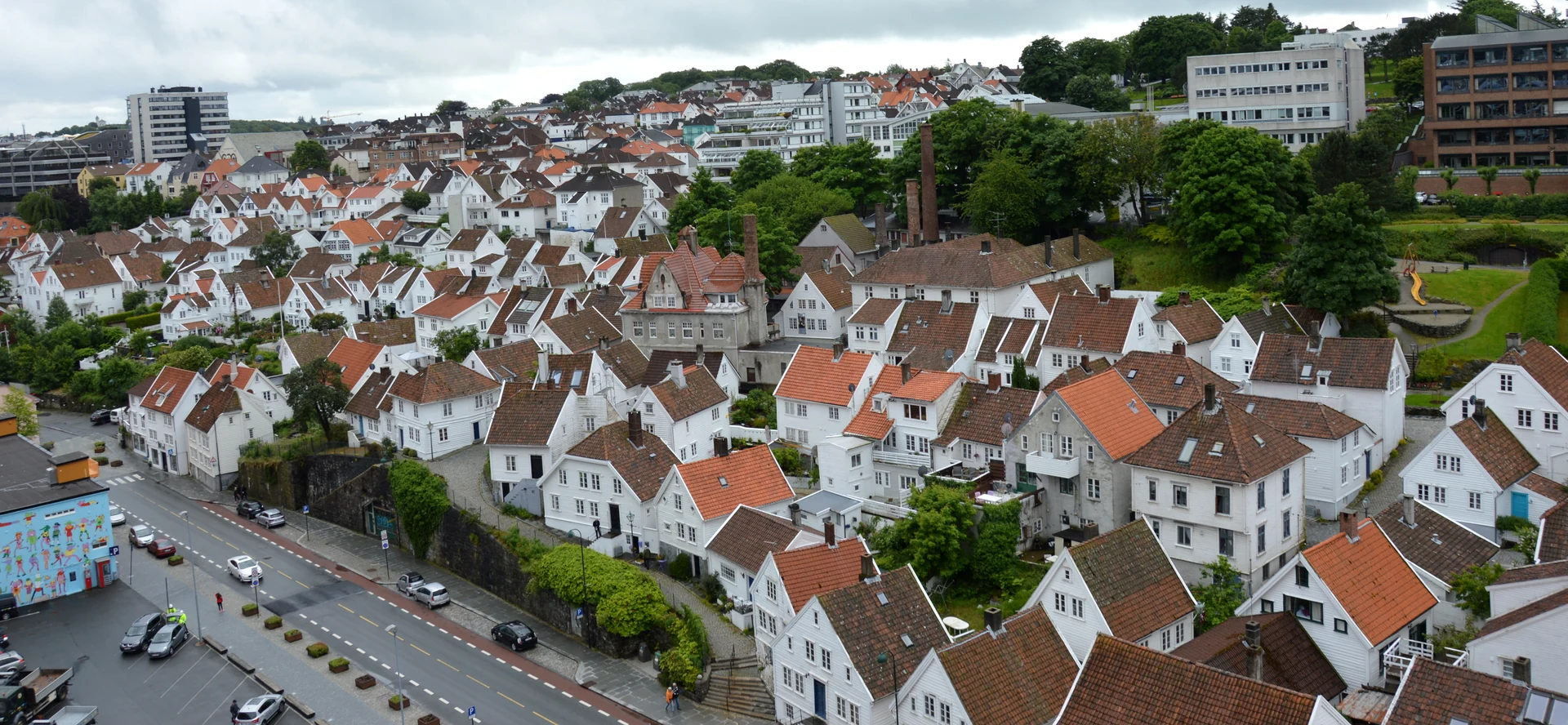
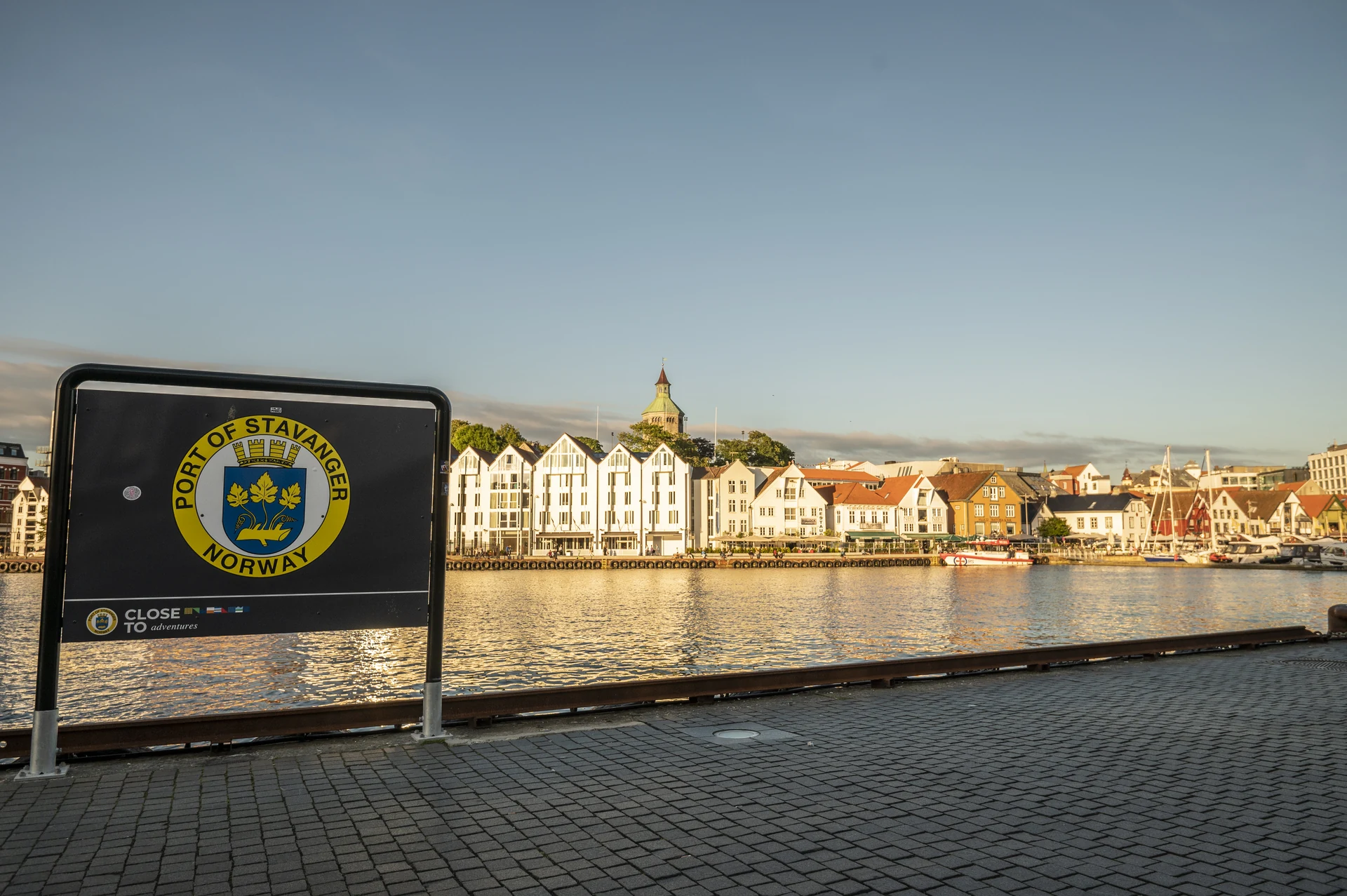
Stavanger’s old harbour, white wooden houses and coastal paths create a strong first impression. For a resident, the more consequential choice is often between a central walking routine and proximity to work or school farther south. A home described as being in the Stavanger region may actually be in Sandnes or Sola, with a different municipality handling family services.
That distinction matters for an international household. Put the precise office, school, airport and preferred weekly activities on the map before narrowing the rental search. A central home can suit someone working from home and enjoying the city after hours. Someone repeatedly travelling to Forus may value the southern corridor more than the harbour view.
The tradeoff is not simply urban versus suburban. A building near the right bus route, with a workable room for calls and a short school trip, can be more useful than a larger home that requires both adults to coordinate every journey.
Sources for this section
What may appeal
- A historic harbour setting with local coastal walks
- A wider region that offers central and southern-corridor living choices
- A published municipal framework for school catchments and newcomer teaching
What to weigh up
- Stavanger-region addresses may belong to different municipalities
- Airport and ordinary regional bus products need separate checking
- Central charm does not establish noise levels, heating costs or a suitable workspace
Cost of living
Budget for a home, its running costs and the move-in cash
A viewing should establish the heating arrangement, included utilities, ventilation, laundry and storage, not just the floor area. Near the coast, look carefully at window condition, wet-weather access and a place to dry outdoor clothing. Ask about the real room you will work in, including sound isolation and internet installation.
For the agreement, confirm who is entitled to let the property, the term and notice rules, responsibility for services and the handover condition. Rent and the deposit are separate. A deposit should be held in a protected account in the tenant’s name; sending it to the landlord’s ordinary account is not the correct arrangement.
Make the cash plan explicit: temporary accommodation, protected deposit, first rent, transport, furnishings and any overlap with the old home. Compare that with your accessible personal funds. A household supported by an overseas business should have a coherent explanation of personal income and transfers for both landlord and bank enquiries.
Neighbourhoods & finding a home
Websites to find a home
| Website | Search for | Coverage |
|---|---|---|
| FINN Eiendom | Rent / Buy | Norway |
About these links
Property-search websites help you find listings; individual properties and agents have not been vetted by Offshore Capitalist. Confirm availability, the legal right to let or sell, and payment instructions before committing.
- FINN Eiendom · Checked 2026-10-14
Choose Kjøpe or Leie and the municipality. Distinguish ordinary homes from the separate holiday-property and commercial categories.
Five areas and the questions each raises
These are places to investigate, not rankings of safety, prices or school performance. District boundaries and housing descriptions are not always identical, so keep the actual address and municipality in your notes.
| Area | What puts it on the shortlist | A practical tradeoff |
|---|---|---|
| Sentrum / around Vågen | The harbour and central streets work well for someone who wants everyday errands, restaurants and cultural activity close by. | Check bedroom noise, deliveries, storage and parking. A visitor-facing street can feel different after a normal working day. |
| Gamle Stavanger / the western central side | The historic white wooden-house environment is a distinct alternative to newer apartment settings. | Inspect the particular building for access, insulation, workspace and utility arrangements. Historic character does not tell you its living specification. |
| Storhaug | An eastern/ northeastern city district with its own streets and coastal walking routes. | Walk between the property, school and usual stop. Ask which parts of the daily routine are genuinely local rather than assuming all of Storhaug is equally central. |
| Eiganes / Våland | A useful district to compare when you want access to the central city without choosing the harbour frontage. | Test the slope and exact trip to work. The district name covers more than one kind of street, building and public-transport connection. |
| Hinna / southern corridor | Worth comparing for routines directed toward Forus or Sandnes and the regional bus network. | Check the last walk from the relevant stop and the school assignment. Being farther south is useful only if it shortens the journeys your household actually makes. |
A coastal routine, with the sea close at hand
Stavanger’s municipal landscape plan describes a coastal municipality with a mild climate. Compared with inland Norway, that means the winter decision is not simply how much snow you enjoy: exposed paths, rainwear, wind protection and damp-weather entry space deserve attention too. A sheltered route can change how often you use the outdoors on a working day.
Storhaug’s municipal walking route is one concrete way to explore the shoreline and local green spaces rather than treating outdoor life as a drive to a famous hike. Walk part of it during a viewing trip and decide whether that is a routine you would actually repeat. For families, look for a manageable everyday outing close to the home as well as ambitious weekends farther away.
Longer summer evenings expand the time available after work, while winter puts more of the daily journey into darkness. Check entrance and path lighting and make room for wet clothing. These are simple features that can materially improve the experience of living on the southwest coast.
Schools & childcare
Check the municipality, catchment and language transition
Stavanger assigns school places through its local catchment framework. The closest building on a map is not necessarily the allocated school: the municipality discusses capacity, traffic and topography as relevant factors. Check the actual address before relying on a listing’s informal description of nearby schools.
Johannes learning centre describes introduction teaching for newly arrived pupils in years 2–10, preparing them for their local school. Ask the municipality or school about the appropriate entry point, assessment, transport and transition for your child. The refugee-specific introduction kindergarten is not a general childcare offer to all incoming families.
Collect previous reports, language information, custody documents where needed and any support plan. Ask separately about kindergarten, SFO after-school hours and school communication systems. If considering an international or private school, obtain its own eligibility, place and fee confirmation; proximity is not admission.
Sources for this section
Healthcare
Put the first months of care and payments on a clear footing
Confirm the household’s health coverage and regular-GP position using Helsenorge. A qualifying registered resident has a different position from someone who merely holds a D number. Carry information about prescriptions and ongoing treatment, and establish where you will seek care while registration and allocation are being completed.
Keep bank onboarding separate from immigration and healthcare. The institution must verify identity and understand the customer relationship; it may need evidence beyond a lease. Ask explicitly about account access and BankID rather than treating them as one approval. Retain a working way to pay ordinary costs during the transition.
Airports & international connections
The 2026 bus network and the airport are separate decisions
Kolumbus reorganised the Bussveien network from 1 July 2026: its guidance identifies route 1 between Stavanger and Sandnes and route 2 between Stavanger and Forus. Older route descriptions can therefore mislead a housing search. Use the current journey planner for the address and travel time that matter to you.
Stavanger Airport (SVG) is at Sola. Avinor describes the airport express trip to Stavanger centre as approximately 20–30 minutes. Treat that as an indicative vehicle journey, then add the wait and final connection. The ordinary Kolumbus airport service is not the same product or necessarily the same stopping pattern as the airport express.
Current Kolumbus alerts include route adjustments effective 12 October 2026, including route 42. Check live departures instead of relying on a copied route list. A family living nearer Forus, Sola or Sandnes may have a different useful airport connection from someone living beside Vågen.
If you expect to use a car, include the actual parking arrangement in the property decision. If you expect to manage without one, test both the normal workday and the late return from a flight. A good main corridor does not remove the importance of the final walk or feeder connection.
Gateway options
Compare gatewaysStavanger AirportSVG
InternationalSola, Stavanger region ·  Norway
Primary gateway Stavanger Airport (SVG) is at Sola. Avinor describes the airport express trip to Stavanger centre as approximately 20–30 minutes. Treat that as an indicative vehicle journey, then add the wait and final connection. The ordinary Kolumbus airport service is not the same product or necessarily the same stopping pattern as the airport express.
International gateway for Stavanger. Compare the current destinations, operating season and ground transfer for your itinerary.
Sources & connectivity notes
International passenger services. Check current routes and seasonal schedules.
Research checked 2026-10-13. Routes can vary by season.
What residents say
These are attributed public experiences, not client testimonials. Housing, neighbourhood and household circumstances affect the experience.
Planning your move
Coordinate the household move with the business
A home in Stavanger does not settle the position of a business or investment portfolio elsewhere. Review Norwegian personal tax and wealth reporting alongside the company’s operations, decision-making and compensation. The international banking arrangement should support the real flow of funds and the records you will need.
Offshore Capitalist can help assess those connected questions and define the appropriate advisory and implementation scope. Start with where the household and business are now, where the work will happen and the intended timetable. That creates a more useful conversation than selecting a permit or company jurisdiction in isolation.
Sources for this section
Your move, step by step
Start with the residence basis and household needs, then work through the steps that depend on the address and identity registration. These are planning stages rather than promised processing times.
01Choose a practical addressBefore signing a long lease
Compare the central city and Storhaug with Eiganes/Våland or Hinna according to the workplace. Keep Stavanger, Sola and Sandnes addresses distinct when checking school and local services.
Documents & evidence
- Candidate addresses and actual work locations
- Household residence and work basis
- School or childcare requirements
- Treating visitor accommodation as an adequate long-term address without checking
- Choosing a home before testing the family commute
02Put the tenancy and deposit in orderBefore paying the deposit or taking possession
Confirm the person entitled to let, the written agreement, included services and any guarantor arrangement. Agree an inventory and dated photographs. Arrange the protected deposit account rather than paying a deposit into the landlord’s ordinary account.
Documents & evidence
- Tenancy agreement and identity of the parties
- Deposit account documentation
- Inventory, meter readings and condition photographs
- Paying before verifying the landlord and property
- Confusing a non-refundable guarantee product with money held in a deposit account
03Complete the applicable arrival and identity stepsFollowing the official route for your intended stay
Follow Skatteetaten’s move and identity instructions. Some residence-permit cases trigger population registration through the immigration process; establish whether a separate move notification or identity appointment is needed for your case. Keep the actual address current.
Documents & evidence
- Original identity documents
- Evidence of residence/work basis and planned stay
- Lease and family/custody documents where applicable
- Assuming a D number and registered resident status are interchangeable
- Assuming population registration itself creates immigration permission
04Start school and essential servicesSchool enquiries can begin before every administrative step is finished
Confirm the catchment and ask about the newcomer path, including Johannes learning centre where appropriate. Obtain separate confirmation of childcare hours and any private-school place.
Documents & evidence
- School reports and previous language/support information
- Relevant medical information and coverage evidence
- Identity, address and source-of-funds evidence for banking
- Waiting silently for a digital login while school placement needs attention
- Treating a bank account and BankID issuance as the same decision
05Review how the move works in practiceAfter your first ordinary working weeks; before filing and renewal deadlines
Reconcile the budget with actual heating, transport and school hours. Keep work-location and asset records for the Norwegian tax review, and calendar the next tenancy, immigration and reporting deadlines. Address recurring travel or childcare problems before extending a temporary arrangement.
Documents & evidence
- Actual household spending and transport routine
- Work-location, ownership and remuneration records
- Deadline calendar
- Letting a relocation plan become outdated when the business changes
- Assuming foreign accounts or company income fall outside Norwegian reporting
Sources & research notes19 references
Sources supporting this guide. Research draft awaiting editorial review.
- Husleietvistutvalget — deposit and guarantee
- Skatteetaten — notifying a move to Norway
- Skatteetaten — national identity number
- Helsenorge — right to a regular GP
- Helsenorge — healthcare services
- Finanstilsynet — identity and anti-money-laundering requirements
- Skatteetaten — global tax liability
- Visit Norway / Innovation Norway — regional seasons and climate
- Stavanger municipality — administrative districts
- Stavanger municipality — Storhaug facts
- Stavanger municipality — Storhaug walking route
- Avinor — Stavanger Airport connections
- Kolumbus — Bussveien network changes
- Kolumbus — current journey planner
- Kolumbus — current service updates
- Stavanger municipality — schools and catchments
- Johannes learning centre — introduction classes
- Stavanger municipality — Green Plan, local geography and climate
- Life in Norway — interview with former Stavanger resident Andrea Spirov
Former Stavanger resident Andrea Spirov told Life in Norway that she valued the quiet life and nature close to home. She also advised newcomers to plan financially for getting established. This is a historical personal account from a page already in circulation in 2013 and updated in 2018; it is useful as a perspective, not as a current price guide.
First-person published interview with a former resident, paraphrased; no current-law or current-market inference.