
City at a glance
Build the week before choosing the neighbourhood
Oslo’s practical appeal depends on the routine you want: a central apartment near the rail hub, an established residential district, or a home closer to outdoor access. Begin with actual work, school and airport journeys. A short-looking map distance can still involve a steep walk, a transfer or an awkward late-evening return.
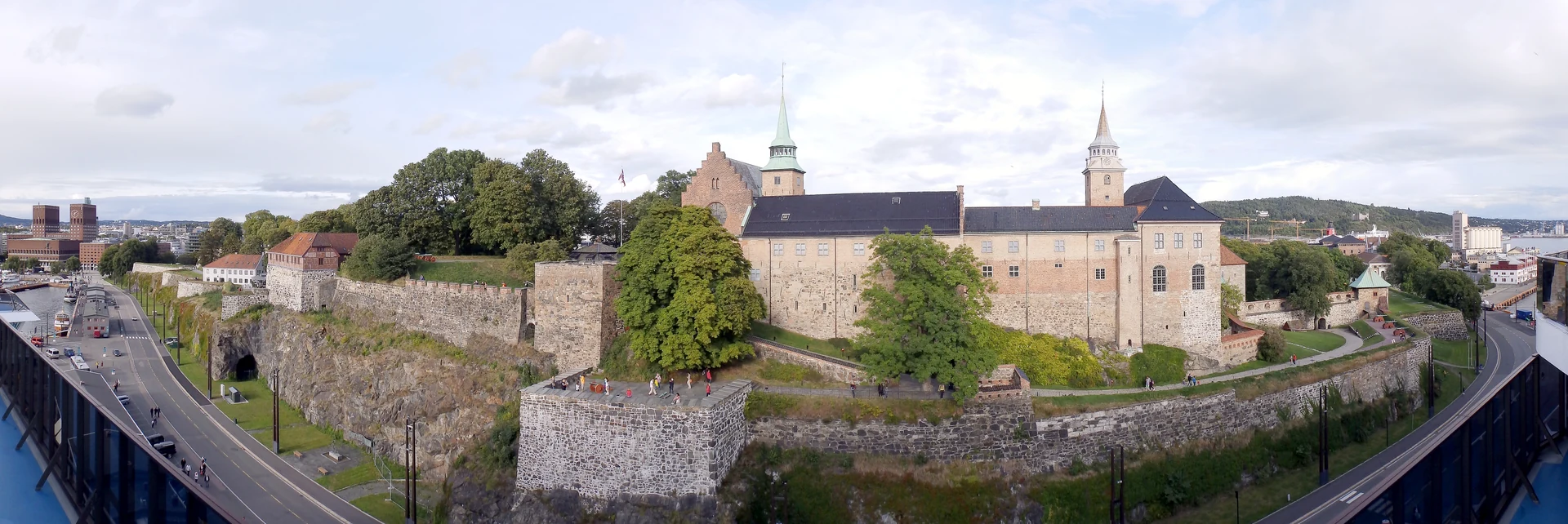
Treat neighbourhood descriptions as a viewing shortlist rather than a ranking. Visit the particular building in ordinary weekday and evening conditions, check deliveries and construction, and work through the school run. A waterfront photograph is useful orientation, but it cannot establish the condition of a rental or the noise outside its windows.
Sources for this section
What may appeal
- Central rail and airport connections to investigate against the actual household route.
- Distinct urban and outdoor-oriented neighbourhood choices.
- Municipal school and language-support procedures with official guidance.
What to weigh up
- Identity, banking and housing steps can depend on one another.
- Winter routines should be tested before a long-term commitment.
- Worldwide tax and wealth exposure require separate financial planning.
Neighbourhoods & finding a home
Websites to find a home
| Website | Search for | Coverage |
|---|---|---|
| FINN Eiendom | Rent / Buy | Norway |
About these links
Property-search websites help you find listings; individual properties and agents have not been vetted by Offshore Capitalist. Confirm availability, the legal right to let or sell, and payment instructions before committing.
- FINN Eiendom · Checked 2026-10-14
Choose Kjøpe or Leie and the municipality. Distinguish ordinary homes from the separate holiday-property and commercial categories.
A useful first shortlist
| Area to investigate | Reason to view it | Trade-off to test |
|---|---|---|
| Bjørvika and the central waterfront | Modern waterfront setting and proximity to Oslo S | Test building layout, nearby development and the exact walk to rail platforms; the Opera House photograph is a historic scene, not a current construction survey. |
| Grünerløkka | An urban neighbourhood to explore for local cafés and everyday street life | View late in the evening as well as during the day; assess the actual street, insulation and transport connections. |
| Frogner and western residential areas | A different established residential setting | Compare the individual home and school journey, rather than assuming a district label guarantees space or a place. |
| Bygdøy or towards Holmenkollen | A shortlist for households prioritising outdoor surroundings | Test the full commute and seasonal travel before choosing a less central address. |
Sources for this section
Housing: establish the legal arrangement
Before paying, verify who is letting the property, the written terms, included utilities, notice provisions and the condition record. Ask specifically how the deposit account will be opened. The Housing Rent Tribunal describes a locked account in the tenant’s name, not a transfer to a landlord’s day-to-day account.
A first visit should include heating, ventilation, storage, internet availability and the practical use of shared spaces. Ask how seasonal heating costs are charged. These are inspection questions, not a claim about typical Oslo rents; no unsupported market median is used here.
Sources for this section
Schools & childcare
School and language support shape the address decision
The municipality’s public primary and lower-secondary system is free and starts in the year a child turns six. The neighbourhood school is linked to the address, while capacity and transfer rules can affect placement. Ask the school administration about the particular child before committing to an address on that assumption.
Oslo has assessment and language-support procedures for pupils who need Norwegian-language support. Prepare previous school reports, language history and information about additional needs. After-school arrangements are a separate practical choice; assess their timing alongside the parent’s work schedule.
An international or English-language route must be investigated at the individual school. Do not infer a guaranteed place, fee or curriculum from a general city description.
Healthcare
Identity, health and banking form a sequence
Check the registration instructions for your particular permission and intended stay. Some permit processes initiate population registration; other cases need a separate notification and identity check. Avoid assuming everyone follows the same appointment sequence.
A qualifying registered municipal resident has access to the regular-GP scheme, subject to the practical availability of places. A D-number does not ordinarily carry the same entitlement. Establish coverage for the period before all administration is complete and understand applicable user charges rather than equating public healthcare with every service being free.
Prepare identity, residence and source-of-funds evidence for the bank. Ask separately about BankID; it is possible for account and electronic-identification processes to have different requirements.
Airports & international connections
Airport travel: compare the whole journey
Avinor describes rail journeys from Oslo Airport to the city centre of around twenty minutes, with services including the airport express and other trains. That is a train segment, not a door-to-door estimate. Compare the station walk, ticket conditions and departure time for the journeys you actually make.
Frequent flyers should test an early departure and a late return from the candidate home. Households should also consider luggage, prams and the final connection. Current service notices and fares belong in the operator’s live information rather than a permanent relocation budget copied from an old article.
Sources for this section
Gateway options
Compare gatewaysOslo AirportOSL
InternationalGardermoen, Oslo region ·  Norway
Primary gateway Gardermoen, Oslo region. Compare the complete onward journey to Oslo with your flight times, luggage and arrival hour.
International gateway for Oslo. Compare the current destinations, operating season and ground transfer for your itinerary.
Sources & connectivity notes
International passenger services. Check current routes and seasonal schedules.
Research checked 2026-10-13. Routes can vary by season.
Climate & environment
Test the season that could change your decision
A useful trial stay includes ordinary workdays and the season you find most demanding. For Oslo, think about winter daylight, footwear, indoor work space and the route from the building to daily activities. Compare those with the outdoor routine you expect in the lighter months.
Use the Meteorological Institute’s local information for actual conditions. A national climate description should not be used as an Oslo forecast, and an attractive September photograph is not evidence of how the same street functions in winter.
Sources for this section
Planning your move
A practical first-month checklist
Before departure, organise permissions, temporary accommodation and the documents needed for identity checks. Once the address and relevant status are in place, coordinate school, health, banking and payroll rather than treating them as independent last-minute errands.
Keep a record of travel and the work done from Norway from day one. The city choice is also a tax and company-management decision for an internationally active founder. Use the country guides to assess those consequences before the household routine makes them difficult to change.
Your move, step by step
The order follows legal and practical dependencies. Preparation time, appointments and authority assessment are separate; these stages are not an approval guarantee.
01Confirm permission for each personBefore committing to the move
Choose the correct EEA, work, self-employed or family route. Check the permitted activity and what must be decided before entry.
Documents & evidence
- Passports
- Nationality and residence history
- Qualifications or relationship records
- A company registration is not work permission.
02Test the address and household routineBefore signing the long-term tenancy
03Secure housing and identity administrationAround lawful arrival
Check registration instructions attached to the permit. A qualifying long-term move normally leads to National Population Register and identity-number steps; some permissions initiate registration automatically.
Documents & evidence
- Decision letter
- Lease and address evidence
- Original identification
04Activate practical servicesAs identity and address evidence become available
Sources & research notes19 references
Sources supporting this guide. Research draft awaiting editorial review.
- VisitOSLO — areas to explore
- Avinor — Oslo Airport public transport
- Housing Rent Tribunal — deposit and guarantee
- Oslo municipality — primary and lower-secondary schools
- Oslo municipality — school catchment and transfers
- Oslo municipality — language support
- Skatteetaten — national identity number
- Helsenorge — right to a regular GP
- Helsenorge — healthcare rights
- Finanstilsynet — bank identity and AML rules
- Meteorological Institute — weather and climate
- Skatteetaten — notify a move
- Skatteetaten — worldwide tax liability
- Skatteetaten — tax liability of foreign businesses
- UDI — self-employed EU/EEA nationals
- UDI — skilled workers, self-employed in Norway
- UDI — family of a non-EU/EEA skilled-worker permit holder
- Altinn — payment of payroll withholding and employer contributions
- Skatteetaten — compulsory occupational pension