City at a glance
A base for daily life across Kansai
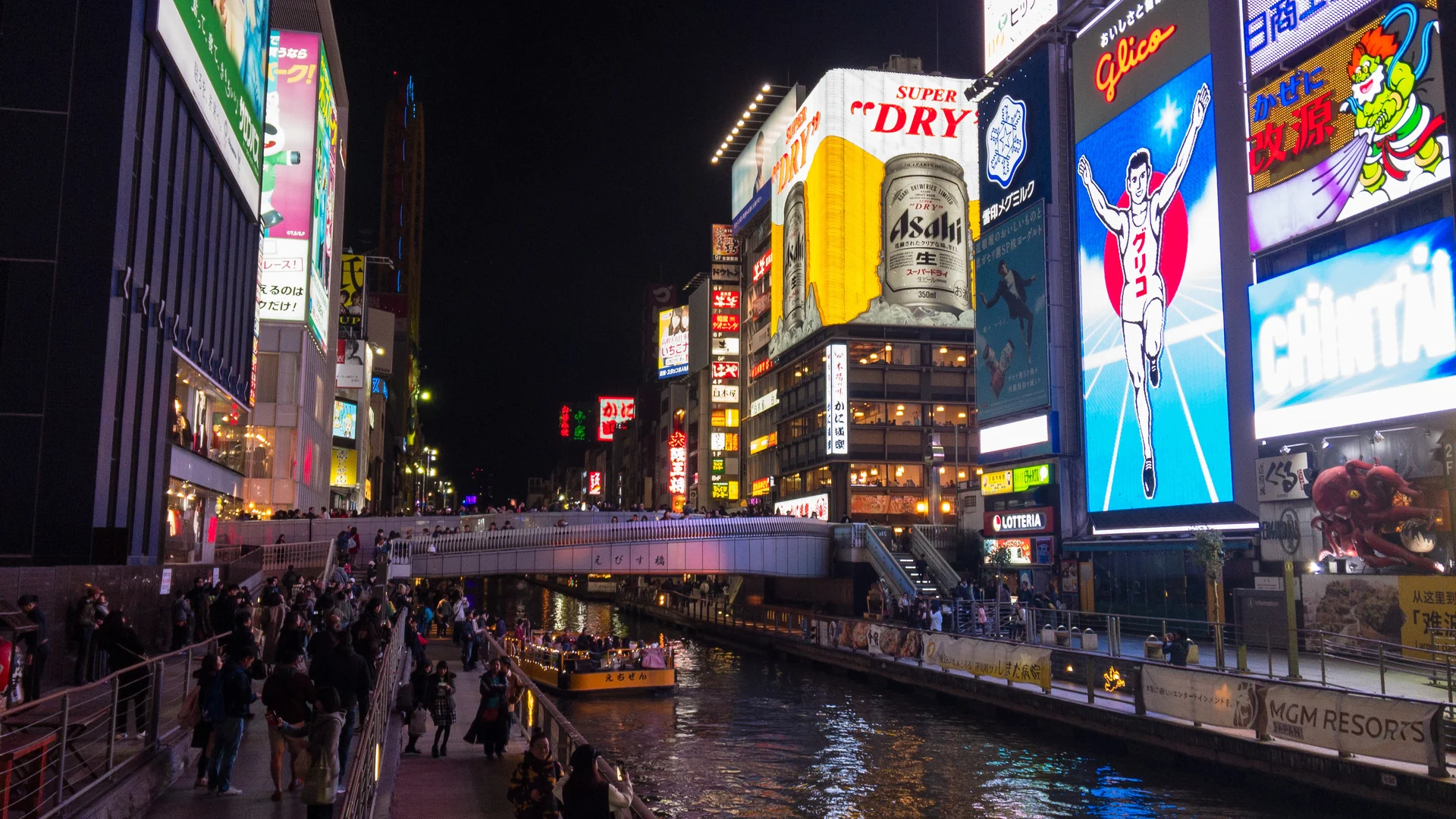
Osaka suits people who want a substantial urban base with an active commercial center and access to the wider Kansai region. It should not be reduced to the restaurants and signs around Dōtonbori. The rhythm of a home near a riverside office district differs from one next to a late-night shopping street or a residential station east of the center.
Start by identifying where work, school and regular appointments actually happen. Umeda’s connections may be valuable to one household, while another needs Namba and the southern rail network. If you expect frequent trips to Kyoto or Kobe, test those journeys from the proposed home. A convenient regional connection does not remove the walk, transfer and crowding at either end.
Sources for this section
What may appeal
- Substantial urban amenities with multiple distinct residential districts
- Useful connections across Kansai
- Rail-based living can support an ordinary routine without daily driving
What to weigh up
- Large interchanges can make apparently short journeys cumbersome
- Entertainment streets require careful noise assessment
- School and rental processes need preparation in Japanese
Neighbourhoods & finding a home
Websites to find a home
| Website | Search for | Coverage |
|---|---|---|
| Real Estate Japan | Rent / Buy | Japan — filter by prefecture, city or train line |
About these links
Property-search websites help you find listings; individual properties and agents have not been vetted by Offshore Capitalist. Confirm availability, the legal right to let or sell, and payment instructions before committing.
- Real Estate Japan · Checked 2026-10-14
English search for sale and rental listings. Check the city within the prefecture, move-in charges, monthly management costs and whether the property is occupied.
Five areas to compare
These are starting points for viewings, not a ranking. Compare the exact street and building, the journey you actually make, and the services your household will use. Nearby stations can have very different entrances, interchange walks and surroundings.
| Area | Why consider it | What to check on a viewing |
|---|---|---|
| Umeda and Fukushima | A starting point for northern Osaka connections, office access and a choice of dining streets. | The large station complex is not one compact stop. Walk the particular transfer and inspect whether the home faces a restaurant street, railway or quieter residential block. |
| Nakanoshima and Kitahama | Riverfront walks and access to central business districts; worth comparing for someone spending much of the week around the center. | Try the evening and weekend routine as well as the office commute. Check supermarkets, children’s routes and the exact distance to your useful rail line. |
| Horie and the Shinsaibashi side | Shopping, cafés and a central-city routine within reach of the southern entertainment areas. | Separate a pleasant side street from a late-night destination. Visit after dinner and ask about delivery noise and permitted uses in the building. |
| Tennōji and Abeno | A southern transport hub with shopping and access to parks and cultural attractions. | Compare the apartment’s side of the station and crossings. A large road or interchange can change a short-looking school or grocery walk. |
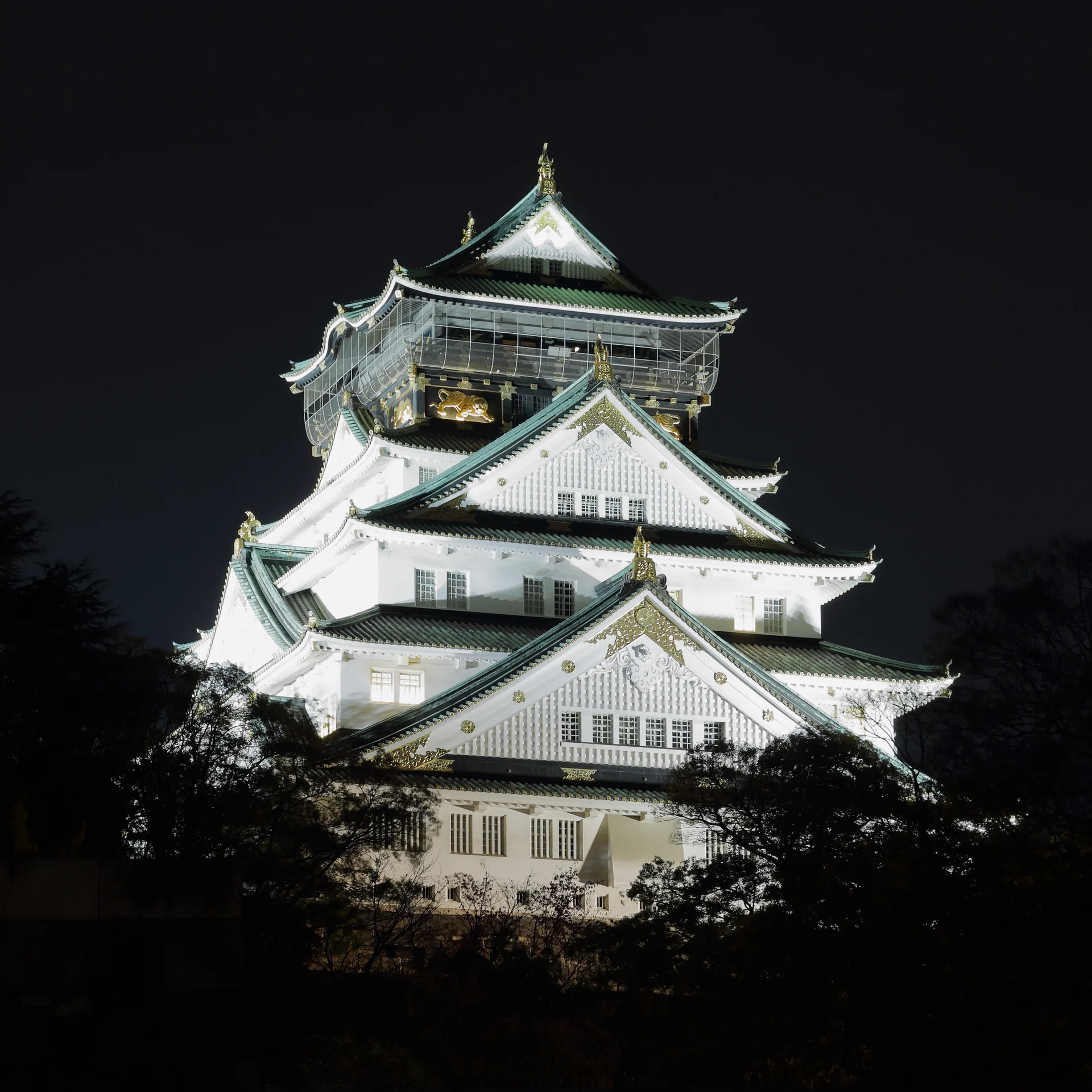
| Morinomiya and the Osaka Castle area | A candidate for park access and a more locally focused routine while retaining rail links. | Do not assume every listing labeled “castle area” is beside the park. Test the station, daily shopping, school catchment and evening route at the actual address. |
Sources for this section
Read the lease before comparing the headline rent
A useful Osaka shortlist records the total move-in payment, recurring management charge, renewal arrangement and the cost of leaving early. Ask how a landlord will assess overseas income, a new Japanese employment contract or a recently established business. Guarantor approval and landlord approval may be separate decisions.
Check whether the quotation includes a security deposit, key money, agent fee, insurance and guarantor charges. Ask which items can be refunded and which are charges for a service already supplied. The City’s housing guidance and municipal Housing Information Center are useful starting points for understanding the local process; they do not guarantee a particular property or public-housing eligibility.
Inspect the apartment at a time that resembles your intended routine. Listen for nearby restaurants, rail lines, deliveries and building equipment. Confirm whether the air-conditioning units, lighting and appliances belong to the property, and check ventilation and storage. For remote work, establish both the physical workspace and the lease’s restrictions before moving in. Keep the written condition report and photographs for the eventual checkout.
Schools & childcare
Decide how children will enter the school system
Osaka’s municipal guidance directs families seeking elementary or junior high enrollment to the local ward office with the child’s residence card. Teaching is in Japanese. Discuss language assistance and the child’s prior education with the school; the existence of a public-school route does not mean an English-medium classroom will be available.
The City’s current page states that municipal-school tuition and school lunches are not charged, while some teaching materials still require payment. Keep that local statement separate from private or international schools, which set their own admissions and charges. High school is a different stage with its own entry requirements; a teenager’s transition needs early attention.
For a younger child, ask about the actual nursery application, age group, household circumstances and opening hours. A nursery near the apartment is not an assured place. A workable arrangement includes the collection journey, holiday care and what happens if a parent’s meeting runs late. Speak to the ward before allowing a promising rental listing to decide the education plan.
Sources for this section
Healthcare
Arrange the insurer first, then the clinic
Confirm whether coverage will be handled through an employer or through National Health Insurance at the municipality. Residence category, employment and other circumstances matter. Check the position of the spouse and children separately rather than assuming that everyone is automatically covered by the same route.
Osaka’s medical guidance describes public-insurance procedures and routes to find care. Ask how the clinic handles your language, appointments, referrals and regular prescriptions. If you need continuing specialist treatment, gather a short clinical summary and medication list before leaving your current country.
In 2026, do not plan around an old-style health-insurance card that has expired. Confirm the current proof of coverage issued or accepted by your insurer. Private travel or international medical insurance may still have a role, but a policy purchase does not by itself answer the public-enrollment question.
Getting around
Choose the right hub for the journeys you make
Osaka Metro’s map makes it possible to compare corridors before searching individual listings. The north–south Midosuji Line is an obvious starting point, but it is not automatically the best line for every job or school. A more direct local connection can be preferable to changing trains at a famous station.
Keep Osaka Station and Shin-Osaka distinct: the latter is the Shinkansen hub. Namba also has several operators and station areas, so record the exact platform and exit you need. Do a weekday test with the transfer and walk included; do not judge a commute using a single inter-station travel time.
Kansai International Airport connects to the region by JR and Nankai services, with different destinations and ticket arrangements. The rail station serves the Terminal 1 side; passengers using Terminal 2 need the interterminal connection. Itami is a separate airport used for domestic services. When booking early flights, check the first practical departure and any bus or rail changes from your neighborhood rather than assuming every Osaka address has equivalent airport access.
Airports & international connections
Gateway options
Compare gatewaysKansai International AirportKIX
InternationalOsaka Bay; serving Osaka, Kyoto and wider Kansai ·  Japan
Primary gateway Osaka Bay; serving Osaka, Kyoto and wider Kansai. Compare the complete onward journey to Osaka with your flight times, luggage and arrival hour.
International gateway for Osaka, Kyoto and the wider Kansai region. Check the current destination network and allow for the transfer from your city.
Sources & connectivity notes
International passenger services. Check current routes and seasonal schedules.
Research checked 2026-10-13. Routes can vary by season.
- Kansai International Airport — existing airport or transport reference
- Kyoto City Tourism Association: getting around Kyoto
- Kyoto City Tourism Association: getting around by bus
- Kansai International Airport: access questions
- Osaka International Airport (Itami) — existing airport or transport reference
- Kansai Airports — passenger flight search
Osaka International Airport (Itami)ITM
DomesticDomestic airport serving Osaka and the Kansai region · Japan
Alternative gateway Alternative gateway. Domestic airport serving Osaka and the Kansai region. Compare the complete onward journey to Osaka with your flight times, luggage and arrival hour.
Itami handles domestic flights. For international departures in Kansai, compare Kansai Airport and the ground transfer.
Sources & connectivity notes
Domestic-only passenger services; use Kansai for international departures.
Research checked 2026-10-13. Routes can vary by season.
Climate & environment
Summer comfort is a housing decision
Osaka has hot, humid summers and cool winters. Rainy-season weather and storm disruptions should be part of the household plan, especially for anyone whose routine depends on cycling or a long outdoor station approach. Spring and autumn are useful times to explore, but they will not show you how the apartment behaves in peak heat.
Ask about cooling in every room you will use, not simply whether the listing says “air conditioning.” Check balcony drainage, drying space and the possibility of condensation. When comparing riverside or lower-lying sites, review the relevant local hazard information at address level. Building condition and evacuation arrangements deserve a separate assessment from a neighborhood’s visual appeal.
Culture, community & daily life
Use a smaller local routine inside a large city
There is a practical difference between enjoying Osaka at weekends and making it work as home. Locate a supermarket for ordinary groceries, a doctor, a place to exercise and somewhere to study Japanese. Try these errands without a taxi. The area that makes everyday tasks easy may be more valuable than the area with the longest list of visitor attractions.
People who work internationally should also plan for administration outside office hours. Set aside time for translated documents, ward visits and rental correspondence. If you manage an overseas business from your new Osaka home, review the national tax and corporate-presence rules alongside immigration permission. The company’s foreign registration and the person’s right to live in Japan answer different questions.
Before a permanent move, agree which responsibilities remain abroad and which genuinely move with you. That includes signing authority, employees, invoicing and records. A household relocation can be enjoyable and sensible while still requiring substantial business adjustments; the two decisions should be evaluated together.
What residents say
These are attributed public experiences, not client testimonials. Housing, neighbourhood and household circumstances affect the experience.
Planning your move
Your move, step by step
A dependency-based checklist. The sequence is a planning framework; it is not an immigration processing-time promise. Statutory address deadlines apply only to the residents covered by the relevant rules.
01Put work, family and permission on one planBefore booking the household move
Confirm the residence route and employer or business arrangements. Decide whether north-side, south-side or east-side rail connections matter most. Start school inquiries before apartment applications.
Documents & evidence
- Passports and residence-route records
- Employment or business documents
- School histories
- A tourist visit and a permitted long-term working stay are different plans.
02Inspect the local routine and rental offerBefore a tenancy commitment
Travel the commute at a realistic hour, view the neighborhood after dark and obtain the itemized contract charges. Clarify screening and guarantor requirements.
Documents & evidence
- Draft tenancy
- Move-in quotation
- Proof of income
- Guarantor proposal
- Do not confuse proximity to Osaka Station with proximity to Shin-Osaka or every Namba operator.
03Complete resident registrationWithin 14 days after establishing the address, for covered residents
Use the ward office for your actual home. Confirm the identity and family-relationship documents required for the household and prepare translations where needed.
Documents & evidence
- Residence cards or relevant passport documents
- New address
- Family-relationship evidence
- Temporary accommodation and an established residential address should not be assumed interchangeable for every procedure.
04Activate the household’s servicesAfter the necessary address and eligibility evidence is available
Complete insurance and school procedures, arrange utilities and confirm acceptable documents for bank and phone applications. Find a clinic for continuing care.
Documents & evidence
- School transfer evidence
- Insurance records
- Identification and tenancy details
- Each service provider can impose its own identification and acceptance requirements.
05Review the first working monthOnce the ordinary routine is visible
Recheck the commute, school logistics, household budget and international business responsibilities. Keep permits, lease terms and tax filing questions in a single calendar.
Documents & evidence
- Recurring-cost list
- Expiry dates
- Business decision and work-location records
- Do not let a successful move-in obscure continuing immigration, tax or insurance obligations.
Sources & research notes18 references
Sources supporting this guide. Research draft awaiting editorial review.
- MLIT: guide to finding a rental home in Japan
- Digital Agency: using health insurance with or without a My Number card
- Japan Meteorological Agency: regional climate of Japan
- Japan Meteorological Agency: 1991–2020 climatological normals
- Natural Earth: populated places
- Bank of Japan: valid banknotes and coins
- Kansai International Airport: train access
- Kansai International Airport: access questions
- Osaka International Airport: access
- City of Osaka: what to know after entering Japan
- City of Osaka: comfortable living, housing and utilities
- City of Osaka: parenting and education
- City of Osaka: when you are ill
- Osaka Metro: route map
- Osaka Convention & Tourism Bureau: Discover Osaka
- r/Osaka: neighborhoods discussion, February 2026
- National Tax Agency: salaries paid by an overseas employer
- JETRO: corporate income taxes and foreign-company activities
In a February 2026 neighborhood discussion, a contributor describing five years in Midoribashi valued its quieter streets and everyday grocery options; other replies suggested looking around Morinomiya. This is useful as a prompt to explore eastern residential areas, not evidence that every nearby property will be quiet or suitable.
Anonymous resident account and forum replies; not a representative survey or verified housing assessment.