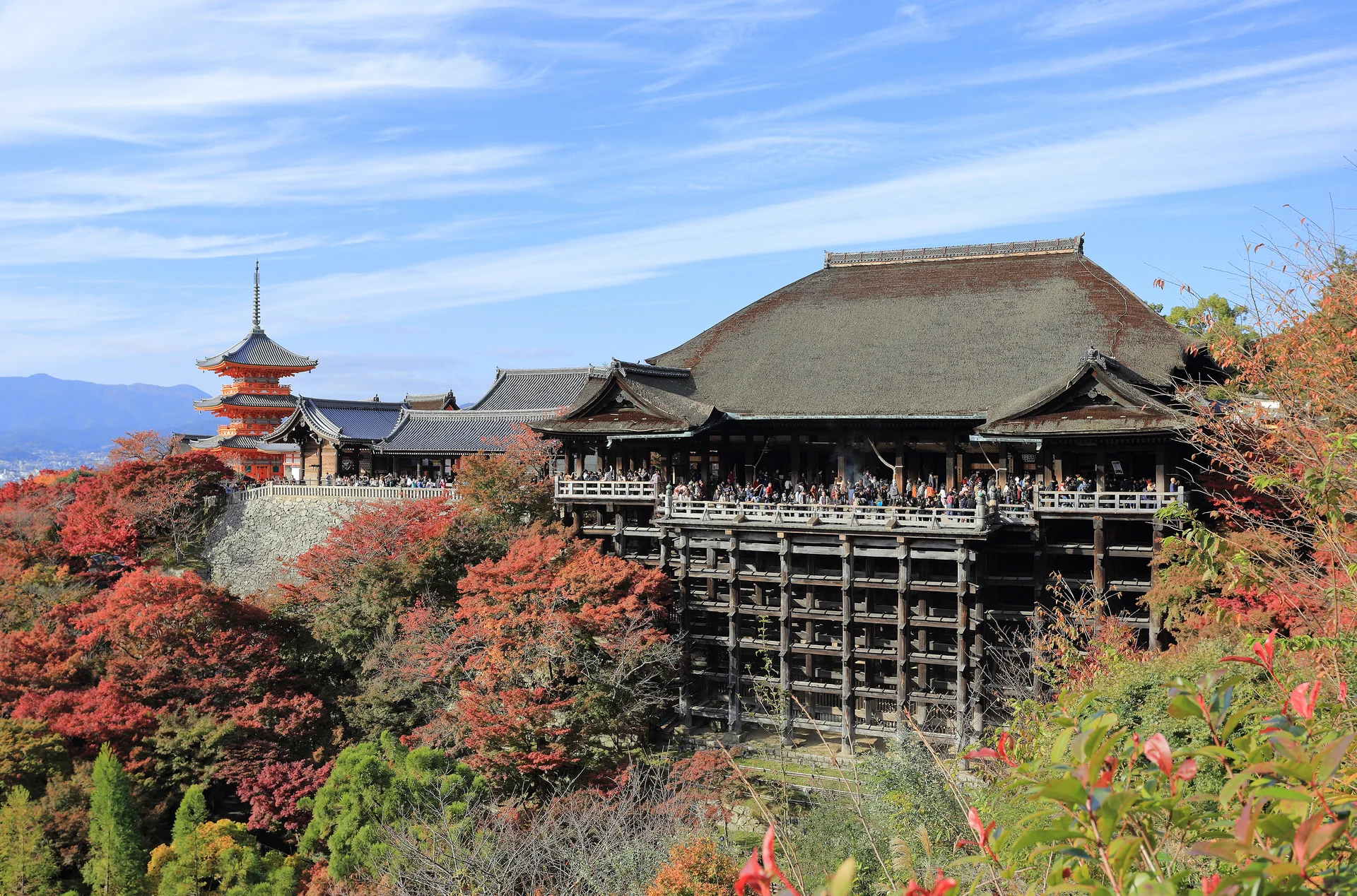
City at a glance
Living in the city beyond the visitor itinerary
Kyoto can appeal to a household that values culture, universities, local craft and regular access to riverside walks and historic places. The experience changes considerably with the address. Living beside a celebrated temple approach is not the same as living near a residential station with a supermarket, clinic and an uncomplicated school journey.
Decide how often you need Kyoto Station, central offices, a university campus or Osaka. A home that feels ideal on a slow weekend may depend on a bus corridor that is frustrating at your regular travel time. For someone working mainly from home, the quality of the building and the surrounding daily routine can matter more than proximity to a famous attraction.
Treat Kyoto as a place in which to participate. Language learning, local activities and consideration for neighbors make a longer stay more rewarding. Tourism brings a broad choice of cultural experiences, but it does not ensure that housing, school administration or ordinary services can be handled entirely in English.
What may appeal
- Cultural institutions and historic places can become part of ordinary life
- Distinct neighborhoods support different university, work and family routines
- River walks and local activities offer ways to build a familiar routine
What to weigh up
- Some attractive locations depend heavily on buses
- Older homes need careful comfort and maintenance checks
- Peak visitor periods can alter everyday street and transport conditions
Neighbourhoods & finding a home
Websites to find a home
| Website | Search for | Coverage |
|---|---|---|
| Real Estate Japan | Rent / Buy | Japan — filter by prefecture, city or train line |
About these links
Property-search websites help you find listings; individual properties and agents have not been vetted by Offshore Capitalist. Confirm availability, the legal right to let or sell, and payment instructions before committing.
- Real Estate Japan · Checked 2026-10-14
English search for sale and rental listings. Check the city within the prefecture, move-in charges, monthly management costs and whether the property is occupied.
Five areas to compare
These are starting points for viewings, not a ranking. Compare the exact street and building, the journey you actually make, and the services your household will use. Nearby stations can have very different entrances, interchange walks and surroundings.
| Area | Why consider it | What to check on a viewing |
|---|---|---|
| Karasuma Oike and Shijō Karasuma | A first search for people who need central shopping, offices and the main subway corridors. | Check the actual interchange and the property’s side street. Central convenience can coexist with office deliveries, restaurant activity or a limited amount of private outdoor space. |
| Nijō | A candidate for everyday residential life with both rail and subway connections and access to the castle area. | Walk from the correct station entrance and inspect grocery, school and clinic routes. A listing near the wider Nijō area may not have the same transport advantage. |
| Demachiyanagi and Shimogamo | River walks and a northern residential setting that may fit university-related or locally focused routines. | Test the route to Kyoto Station and your exact campus or office. A pleasant river-side location does not make every north–south journey direct. |
| Okazaki and Higashiyama | Museums, cultural institutions and access to Kyoto’s eastern historic areas. | Assess slopes, tourist foot traffic and reliance on buses. Look for an ordinary grocery route and consider the return home during peak sightseeing periods. |
| Fushimi Momoyama | A distinct southern neighborhood with shopping streets and rail options, worth considering when the daily route points south. | Compare the particular Keihan, Kintetsu or JR connection you would use. Do not assume that a Fushimi address means being beside the famous shrine or beside your chosen station. |
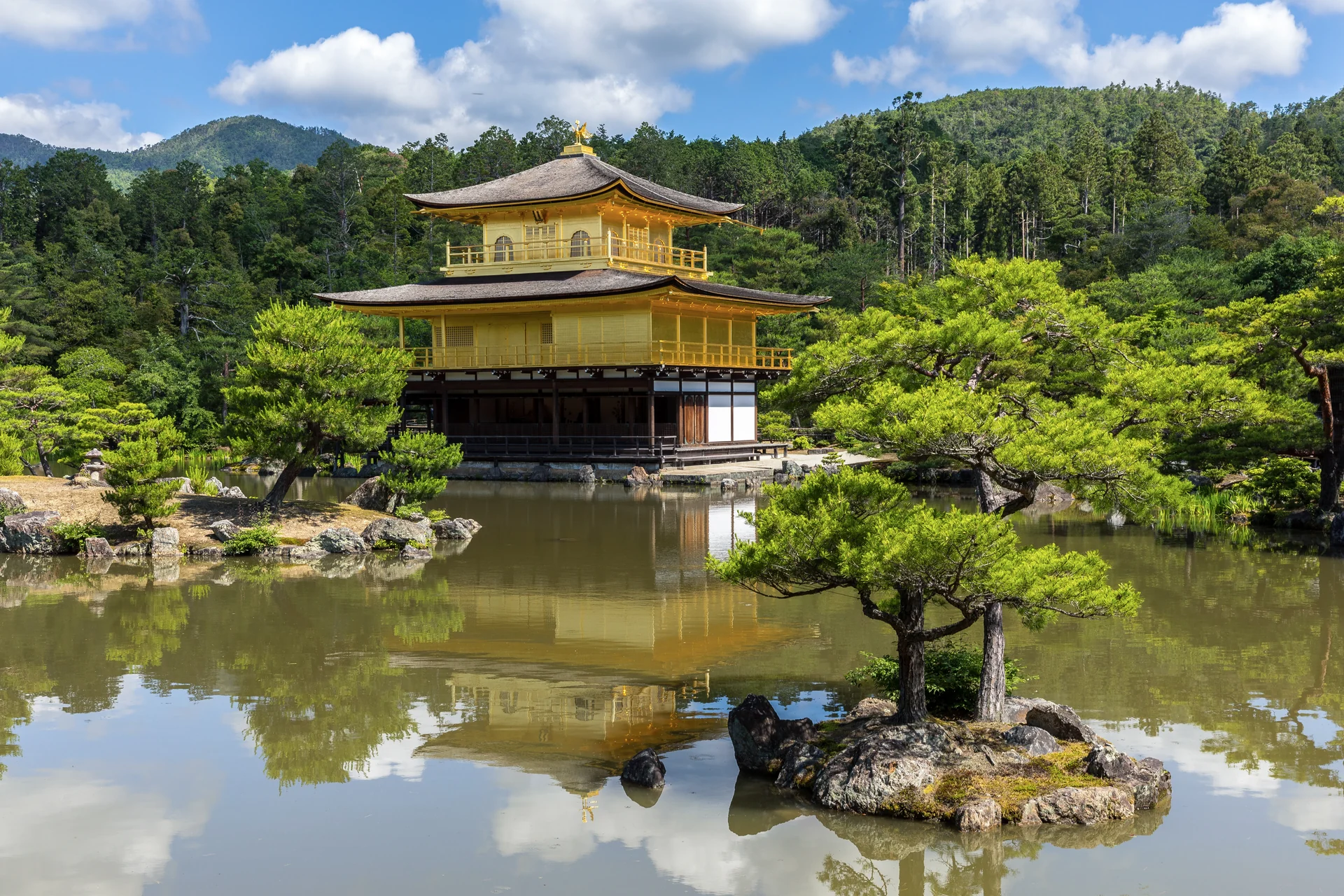
Character should not replace a building inspection
Kyoto’s housing choices can include older houses as well as contemporary apartments. A traditional-looking interior may be attractive, but inspect insulation, heating, bathroom ventilation, stairs and the practical use of each room. Ask what has actually been renovated. A photograph of a wooden facade cannot establish comfort, structural condition or maintenance responsibility.
The Kyoto City International Foundation explains the local rental process and the range of charges that can accompany it. Request the draft contract and an itemized quotation before comparing offers. Establish the term, renewal position, notice requirement, guarantor arrangement and how deposit deductions will be assessed. If you cannot comfortably read the documents, arrange a reliable explanation before signing.
Check whether the property permits your intended activities, including remote work with visitors or a home business. Clarify rules for rubbish, bicycle storage, pets and shared spaces. Walk the street in the evening and during a busy daytime period; a quiet courtyard can be close to a heavily used tourist or delivery route. Keep dated photographs of the condition at move-in.
Let the relocation plan reach beyond the lease
A remote income stream does not remove the need to examine Japan’s residence, tax and work rules. If you will direct an overseas company from Kyoto, establish which decisions and activities take place in Japan and what that means for the company as well as for you. The national tax guides separate personal status, corporate obligations and source rules.
A sensible planning file includes proposed arrival dates, family status, housing arrangements, work activities, existing companies and investment holdings. Use it to compare the move with other locations before making irreversible commitments. Kyoto may fit your life very well while still requiring changes to employment, company operations or reporting.
For settling socially, choose activities you will repeat rather than expecting community to arrive with the tenancy. The City International Foundation is a useful starting point for local information, language opportunities and events. Treat participation as part of the move, with room in the weekly schedule, rather than an optional task postponed until every document is complete.
Schools & childcare
Coordinate address, enrollment and language support
Kyoto’s guidance routes municipal-school enrollment and transfers through the ward-office and school procedures. Bring prior school information and ask which admission or transfer notice is needed. A move from another Japanese municipality is not identical to a first arrival from overseas.
The City International Foundation describes Japanese-language and interpretation support arrangements. Ask the receiving school how that support will operate for your child: who provides it, when it is available and how teachers will communicate with parents. Do not assume that the term “language support” means an English-medium curriculum.
For a private or international route, confirm admissions, curriculum continuity and the actual school journey directly. Nursery and kindergarten arrangements also need their own inquiries. Look beyond the morning trip: clubs, after-school collection and school holidays can determine whether an otherwise attractive neighborhood fits the household. Existing school records, learning-support information and emergency contacts make the discussion more useful.
Sources for this section
Getting around
Build a rail-first route where it fits
Kyoto’s network combines the municipal subway with JR and private railways, then buses for many remaining journeys. Compare the Karasuma and Tozai subway corridors and the rail stations relevant to your destinations before choosing a home. “Central Kyoto” is too broad a description to establish whether a commute is convenient.
The official visitor guidance acknowledges heavy bus demand, particularly around busy sightseeing periods. Where a rail-and-walk journey works, it can reduce dependence on crowded buses. If a bus is essential, try it at the time you will use it rather than judging the route from its line on a map. A bicycle may help for some trips, but weather, parking and the actual school or work route still need assessment.
Kyoto has no commercial airport in the city. Kansai International and Itami serve different flight needs, and the airport transfer remains part of the journey. KIX’s rail station is on the Terminal 1 side, with a connection needed for Terminal 2. For an early departure, price and plan the whole transfer rather than assuming a central Kyoto address removes the overnight or first-service problem.
Airports & international connections
Gateway options
Compare gatewaysKansai International AirportKIX
InternationalOsaka Bay; serving Osaka, Kyoto and wider Kansai ·  Japan
Primary gateway Kyoto has no commercial airport in the city. Kansai International and Itami serve different flight needs, and the airport transfer remains part of the journey. KIX’s rail station is on the Terminal 1 side, with a connection needed for Terminal 2. For an early departure, price and plan the whole transfer rather than assuming a central Kyoto address removes the overnight or first-service problem.
International gateway for Osaka, Kyoto and the wider Kansai region. Check the current destination network and allow for the transfer from your city.
Sources & connectivity notes
International passenger services. Check current routes and seasonal schedules.
Research checked 2026-10-13. Routes can vary by season.
- Kansai International Airport — existing airport or transport reference
- Kyoto City Tourism Association: getting around Kyoto
- Kyoto City Tourism Association: getting around by bus
- Kansai International Airport: access questions
- Osaka International Airport (Itami) — existing airport or transport reference
- Kansai Airports — passenger flight search
Osaka International Airport (Itami)ITM
DomesticDomestic airport serving Osaka and the Kansai region · Japan
Alternative gateway Alternative gateway. Domestic airport serving Osaka and the Kansai region. Compare the complete onward journey to Kyoto with your flight times, luggage and arrival hour.
Itami handles domestic flights. For international departures in Kansai, compare Kansai Airport and the ground transfer.
Sources & connectivity notes
Domestic-only passenger services; use Kansai for international departures.
Research checked 2026-10-13. Routes can vary by season.
Climate & environment
Choose a home for summer and winter
Kyoto’s inland setting brings hot, humid summer conditions and cold winter spells. The cherry-blossom and autumn-color seasons can also change the number of people using particular streets and transport routes. A beautiful spring inspection should be followed by practical questions about cooling, heating and how the home is used in less comfortable weather.
Check whether every sleeping and working space has effective temperature control. Pay attention to windows, drafts, condensation and the position of the sun. If you intend to cycle frequently, have a realistic wet-weather alternative. Compare a pleasant riverside walk with the relevant local disaster information rather than interpreting proximity to greenery as proof of low risk.
A longer exploratory stay that includes ordinary workdays is more informative than a tightly scheduled holiday. Use it to shop for groceries, handle a simple appointment and test the evening return. These small errands reveal the fit of a neighborhood much more clearly than a list of attractions.
What residents say
These are attributed public experiences, not client testimonials. Housing, neighbourhood and household circumstances affect the experience.
Planning your move
Connect the right scheme with a workable care plan
The Kyoto City International Foundation distinguishes employment-based health insurance from municipal National Health Insurance. Check which applies to your household and what enrollment evidence is required. Eligible residents should not assume an international policy removes the need to join the appropriate Japanese scheme.
If you rely on regular medication or a specialist, identify a clinic before the move becomes urgent. Confirm its language arrangements and referral process, and prepare a medical summary. Keep insurance enrollment separate from provider availability: being insured does not guarantee that your preferred clinic offers a particular service in a particular language.
In 2026, ask your insurer for the current way to prove eligibility. A My Number card is not the only permitted evidence route; people not using it for insurance can use the appropriate confirmation certificate. Keep the clinic’s and insurer’s instructions together so an administrative delay does not become an avoidable treatment problem.
Your move, step by step
A dependency-based checklist. The sequence is a planning framework; it is not an immigration processing-time promise. Statutory address deadlines apply only to the residents covered by the relevant rules.
01Choose the residence and education routeBefore committing to the move
Confirm the household’s permitted activities and the likely school or campus. Identify whether central, northern or southern Kyoto connections are needed.
Documents & evidence
- Passports and status records
- Work or study plan
- Children’s school histories
- A culturally attractive destination does not itself establish permission to work or a school place.
02Test the address through ordinary errandsBefore signing the lease
Try the commute, grocery trip and evening return. Inspect temperature control, stairs and maintenance arrangements in any older property. Obtain a translated explanation of unclear contract terms.
Documents & evidence
- Draft lease and itemized costs
- Income evidence
- Building-condition notes
- Traditional appearance does not establish modern insulation or a right to renew.
03Complete the ward-office sequenceAfter establishing the address; observe applicable 14-day notification duties
Confirm the registration requirements for every covered household member. Ask which family evidence, translations and school notices are needed.
Documents & evidence
- Residence cards and relevant passports
- Address details
- Family documents
- The required notice depends on whether this is an overseas arrival or a move within Japan.
04Complete health and school arrangementsOnce the relevant registration evidence is available
Enroll through the appropriate health-insurance route and meet the receiving school. Confirm language assistance, daily schedules and emergency contact arrangements.
Documents & evidence
- Insurance and school records
- Medical summary
- School admission or transfer notice
- Travel insurance and ordinary public-health enrollment are different questions.
05Settle into a sustainable weekly routineDuring the first settled month and after a seasonal change
Put language study, local activities, work and school journeys into the calendar. Reassess the apartment’s comfort as the weather changes and maintain the immigration and tax records.
Documents & evidence
- Household calendar
- Permit and lease dates
- Work-location and financial records
- A holiday pace of life may not support your actual work and family commitments.
Sources & research notes18 references
Sources supporting this guide. Research draft awaiting editorial review.
- National Consumer Affairs Center: rental-contract precautions (2026)
- Digital Agency: using health insurance with or without a My Number card
- Japan Meteorological Agency: regional climate of Japan
- Natural Earth: populated places
- Bank of Japan: valid banknotes and coins
- Kansai International Airport: train access
- Kansai International Airport: access questions
- Osaka International Airport: access
- Kyoto City International Foundation: housing
- Kyoto City International Foundation: ward-office procedures
- Kyoto City International Foundation: children and education
- Kyoto City International Foundation: medical care
- Kyoto City Tourism Association: getting around by bus
- Kyoto City Tourism Association: getting around Kyoto
- Kyoto City Tourism Association: areas of Kyoto
- r/Kyoto: daily-life discussion, April 2025
- National Tax Agency: salaries paid by an overseas employer
- JETRO: corporate income taxes and foreign-company activities
An April 2025 discussion among people describing life in Kyoto repeatedly raised crowded buses and humid summer conditions, while also discussing cycling as an alternative for some journeys. These observations reinforce the value of testing a daily route and the home’s cooling; they do not establish that every bus or neighborhood has the same problems.
Anonymous self-selected discussion. Transport crowding is also acknowledged separately by the official city visitor guidance.