City at a glance
A city of distinct neighbourhoods, not one centre
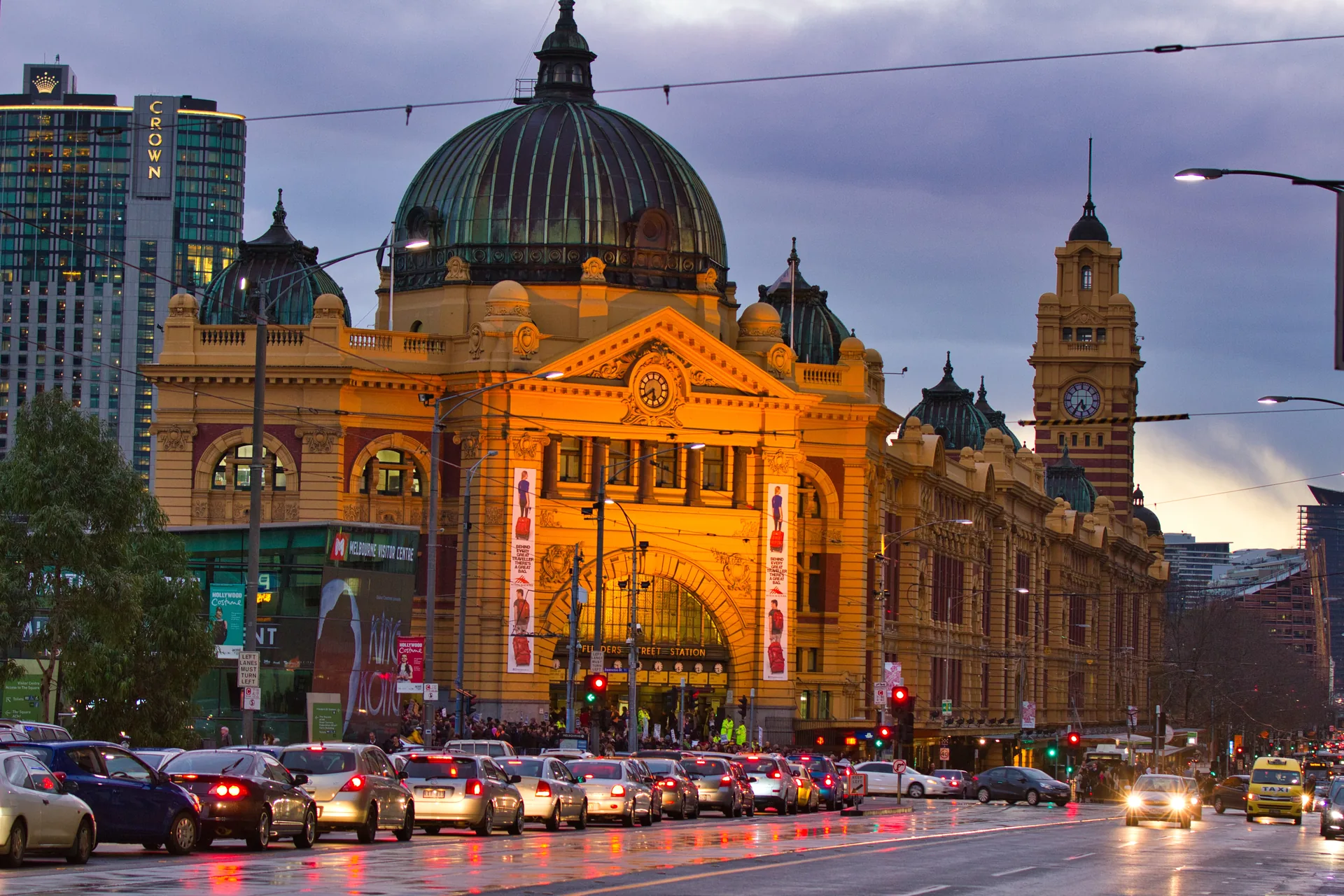
Melbourne suits people who want a substantial city around an ordinary residential life: galleries and live performances, food shopping in different neighbourhoods, and a choice between an apartment near work and a more domestic street a little farther out. Its appeal is less about a single postcard district than the small routines you build around it. A coffee street that feels perfect on Saturday may be inconvenient for a school run across town.
Start with your recurring destinations. A home near a useful train station can be more practical than a seemingly central address requiring two slow transfers. If you work remotely, judge the actual spare room, daylight and evening noise before paying for proximity to offices you rarely visit. Try a normal weekday journey before committing, including the walk from the stop in rain. For families, school eligibility and the child's daily route should shape the housing shortlist together.
Sources for this section
What may appeal
- Distinct inner neighbourhoods and cultural activities
- Several ways to build a daily routine around public transport
- A broad choice of apartment and established-street settings
What to weigh up
- A cross-town routine can erode the benefit of a central address
- Heating, light and acoustic quality vary substantially between homes
- School fees and enrolment depend on the family visa position
Cost of living
Build a first-month budget from the actual home
Convert weekly advertised rent using 52 weeks divided by 12 when comparing monthly household budgets; multiplying by four understates the annual cost. Keep the refundable bond separate from living expenditure. A furnished short stay may reduce immediate setup work but can have different terms and a much higher effective monthly cost than a residential lease.
| Budget item | What to obtain before committing |
|---|---|
| Housing | Written rent frequency, bond calculation, utilities included and any furniture inventory. |
| Commute | The real train/tram journey plus occasional airport transfers, parking or car costs. |
| Children | A visa-specific school-fee assessment and a separate quote for childcare or out-of-hours care. |
| Working from home | Internet availability at the exact address, a usable desk area and cooling/heating costs. |
| Contingency | Temporary accommodation, overlapping rent and money accessible while local accounts are being opened. |
Sources for this section
Neighbourhoods & finding a home
Websites to find a home
| Website | Search for | Coverage |
|---|---|---|
| realestate.com.au | Rent / Buy | Australia — choose the city, metro area or suburb |
About these links
Property-search websites help you find listings; individual properties and agents have not been vetted by Offshore Capitalist. Confirm availability, the legal right to let or sell, and payment instructions before committing.
- realestate.com.au · Checked 2026-10-14
Choose Buy or Rent, then narrow by suburb and commuting area. Confirm the rental payment period, property type and total move-in costs.
Five areas to compare on the ground
These are viewing starting points, not a ranking of schools, safety or investment returns. Several inner suburbs cross municipal boundaries; the exact address matters more than the broad label in an advertisement. Visit the street after dark as well as during an inspection, and compare homes with the same usable floor area and work space.
| Area | Why it may work | What to test |
|---|---|---|
| CBD and Southbank | Central apartments, cultural venues and river walks make a convenient first base. | Bedroom light, lift waiting, building works and the precise tram-zone boundary. A river view does not tell you whether the home is quiet. |
| Carlton and Fitzroy | Established streets, smaller shops and an active café and dining scene suit people who want daily errands close by. | Older-home heating, sound transfer, parking and the actual tram journey to work; nightlife varies street by street. |
| Richmond | A useful option for access to the eastern side of the centre and a mix of terraces and newer apartments. | The route from the specific home to your station, busy arterial roads and event-day crowds rather than a suburb-wide commute estimate. |
| South Yarra and Prahran | Shopping streets and rail/tram choices can support a life organised around the south-eastern inner city. | Whether your regular trips are on the same side of town, plus apartment storage and noise near late-night venues. |
| Footscray and the inner west | Markets, varied food shops and rail access offer a different everyday base from the central apartment districts. | Cross-town travel, building condition and the last part of the walk home; do not assume every inner-west address has the same connections. |
Sources for this section
Read the Victorian agreement before paying
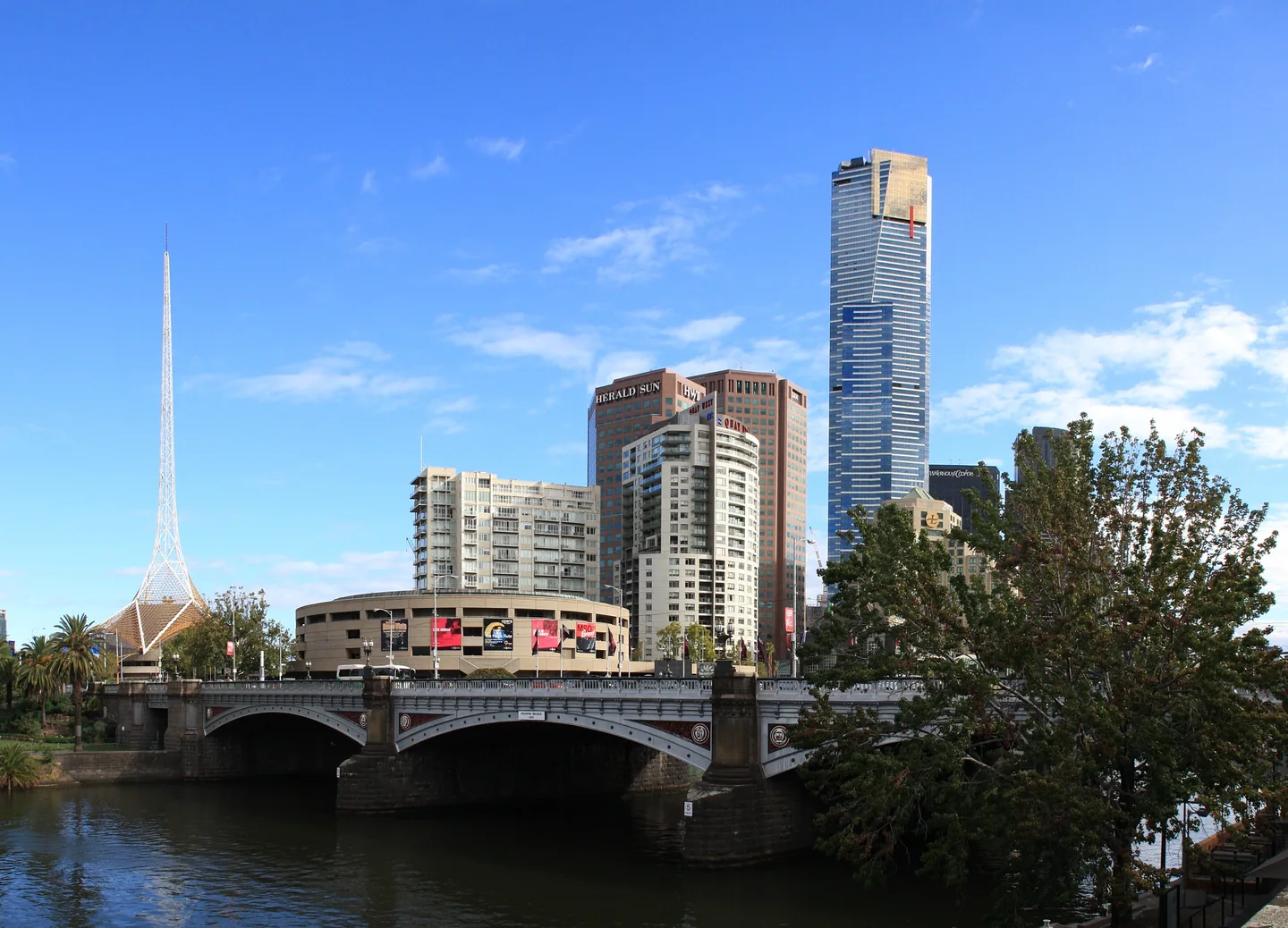
For ordinary Victorian residential rentals, the bond is generally limited to one month's rent. A higher amount may be possible where weekly rent exceeds AUD900 or VCAT has authorised it. One calendar month is not the same as four weeks. The Residential Tenancies Bond Authority holds the bond; keep the official receipt alongside your lease and entry condition report.
Advance rent is generally capped at a month, or fourteen days where rent is paid weekly. The official guidance contains an exception for rent above AUD900 a week. There is no cooling-off period simply because you regret signing. Confirm the commencement date, rent-payment frequency, occupants, included appliances and any negotiated repairs before you accept the agreement.
At inspection, open cupboards, look around window frames, test bathroom extraction and ask to see how the installed heating works. Photograph existing marks and appliance defects at handover. Your condition record should describe the actual home, not just repeat an agent's generic checklist. Keep a copy you can retrieve when moving out.
Schools & childcare
Check both the school zone and the visa category
Victoria's Find my School tool identifies the designated local government school for an address and enrolment year. Use the official map rather than an estate agent's school claim, and check a boundary address carefully. Eligible local children have a neighbourhood-school entitlement, but international-student and temporary-visa administration still needs to be assessed for the particular family.
The Education Department's visa and fee rules determine whether an International Student Program application and tuition payment are required. Fee-paying students cannot simply arrive and start before the necessary process is complete. Send the child's passport, visa details, previous reports and any learning-support information early. Ask how placement, language support and year level are determined. Separately price uniforms, devices, excursions, before-school care and the practical pickup routine.
Sources for this section
Healthcare
Arrange healthcare around your status and regular needs
Medicare eligibility is status-dependent; many temporary visa holders are outside it. Check your specific category with Services Australia before relying on public cover.
Identify a nearby general practice and ask about new-patient appointments and fees. If you need recurring prescriptions or specialist care, carry a concise medical summary and make continuity arrangements before moving. A health-insurance policy should be checked for the treatment you actually expect to use, waiting periods and exclusions. A home near a hospital is not itself a care plan or an entitlement to free treatment.
Sources for this section
Airports & international connections
Use the network, and separate the airport journey
The Free Tram Zone is a defined central area and applies to trams. A trip that starts or finishes beyond it needs the appropriate fare; being in an inner suburb does not make all local transport free. Use the current journey planner for your exact address and departure time, particularly when services or stopping patterns change.
Melbourne Airport's bus page lists SkyBus City Express to Southern Cross, with airport stops at terminals 1, 3 and 4. Treat this as a separate arrival leg from your onward train or tram. A suitcase-friendly route to Southern Cross is not necessarily the best route to every suburb, especially with children or a late landing. Save the terminal, bus stop, last service and backup transfer plan before departure rather than assuming an all-night airport train.
Sources for this section
Gateway options
Compare gatewaysMelbourne AirportMEL
InternationalTullamarine; serving Melbourne ·  Australia
Primary gateway Tullamarine; serving Melbourne. Compare the complete onward journey to Melbourne with your flight times, luggage and arrival hour.
International gateway for Melbourne. Check the terminal on your itinerary before arranging ground transport or a connecting flight.
Sources & connectivity notes
International passenger services. Check current routes and seasonal schedules.
Research checked 2026-10-13. Routes can vary by season.
Climate & environment
Heating and summer comfort deserve their own inspection
Victoria has enforceable rental minimum standards, including heating requirements, with details and exceptions in the official guidance. Additional energy-efficiency standards are being phased in from March 2027; a future cooling requirement should not be described as already applying to every October 2026 rental.
Look beyond the presence of a wall unit. Ask which rooms it reaches, whether windows open safely, and how afternoon sun falls on the living room and work desk. A north-facing room and an exposed west-facing glazed apartment can feel very different. If you need quiet video calls with windows closed, assess ventilation and cooling in that configuration. A recent-looking kitchen is a poor substitute for a comfortable bedroom.
Choose the home for Melbourne’s changing seasons
Melbourne has warm summers and a distinctly cool season, with rain spread through the year. Layered clothing and a home that is comfortable during a long indoor working day are more useful than assuming an Australian address means permanent warmth. Inspect for draughts as well as heat exposure, and include a wet-weather route to school or transport in the decision.
The Bureau of Meteorology’s Olympic Park station has records from 2013. Its published statistics reflect that relatively short observation period, not a thirty-year climate normal. They provide a useful central-city reference; coastal and outer-suburban homes can feel different. Check current heat and storm warnings separately.
Sources for this section
What residents say
These are attributed public experiences, not client testimonials. Housing, neighbourhood and household circumstances affect the experience.
Planning your move
Connect the move to the wider international plan
A Melbourne lease, school place and local bank account answer different questions from immigration permission and tax residence. Verify visa conditions through Home Affairs. Business owners should separately examine where they perform work, direct overseas companies and receive income before shifting their normal working life to Australia.
The country guides below explain the residence and departure issues in more detail. For a coordinated inquiry, describe your current country, visa position, business ownership, expected arrival and family school needs. That lets the discussion focus on the dependencies that could change your move, rather than beginning with a generic list of places to live.
Sources for this section
Your move, step by step
A dependency-based sequence: the timing depends on your visa, school assessment and housing search. These are planning stages, not authority processing promises.
01Confirm the family and work permissionsBefore making non-refundable commitments
Check each visa and the activities it permits, then ask Victoria’s education authorities which fee and enrolment route applies to the children. Put these answers beside your intended arrival and any business changes.
Documents & evidence
- Passports, visa grants, ownership summary and school reports.
- A school-zone address cannot replace the visa-specific assessment.
02Choose two workable corridorsBefore signing a long-term lease
Use the actual workplace or school as the fixed destination. Compare a north-side and south-side option if relevant, riding the service at the time you will need it. Inspect heating and bedroom noise, not only the main living room.
Documents & evidence
- Shortlist, official school-zone check and a weekly journey plan.
- A nearby tram may go in the wrong direction for the household.
03Check and sign the Victorian agreementAfter the home and terms have been verified
Confirm rent frequency, bond and advance payment, permitted occupants and agreed repairs. Arrange bond lodgement through the proper process and retain your signed copy before scheduling the move.
Documents & evidence
- Agreement, identity documents, payment record and repair correspondence.
- There is no automatic cooling-off period after signing.
04Complete handover and essential servicesAt possession and during the first working days
Photograph the condition, test heating and appliances, arrange utilities and internet, and complete the agreed school and healthcare steps. Retain a copy of every submitted form and reference number.
Documents & evidence
- Condition report, meter readings, school approval and health-cover evidence.
- A booked school tour is not confirmation that a fee-paying child may start.
05Review the routine after settlingOnce the real working week is established
Check that school pickups, the workspace and evening transport operate as expected. Document outstanding repairs and calendar visa, school and lease follow-ups. Revisit the wider tax plan if arrival or work arrangements differ from the original assumptions.
Documents & evidence
- Household calendar, repair log and confirmed business/arrival dates.
- Do not let a convenient lifestyle choice silently change the facts used in an international plan.
Sources & research notes14 references
Sources supporting this guide. Research draft awaiting editorial review.
- Services Australia: Medicare enrolment
- Home Affairs: check visa conditions through VEVO
- Consumer Affairs Victoria: bond amounts
- Consumer Affairs Victoria: rent and advance payments
- Consumer Affairs Victoria: rental minimum standards
- Consumer Affairs Victoria: future minimum energy standards
- Consumer Affairs Victoria: signing an agreement
- Victoria Education: international student policy
- Victoria: school zones
- Public Transport Victoria: visiting Melbourne
- Melbourne Airport: bus services
- Visit Victoria: Melbourne neighbourhoods
- r/melbournechat: Thoughts on living in South Yarra?
- Bureau of Meteorology: Melbourne named-station statistics (all available years)
In a June 2026 discussion about South Yarra, contributors disagreed about how easily a south-side home connects to the northern neighbourhoods they spend time in. The useful theme was to choose around existing routines and friends, not only the apartment itself.
Anonymous, self-selected forum discussion; No price or safety claims are adopted.