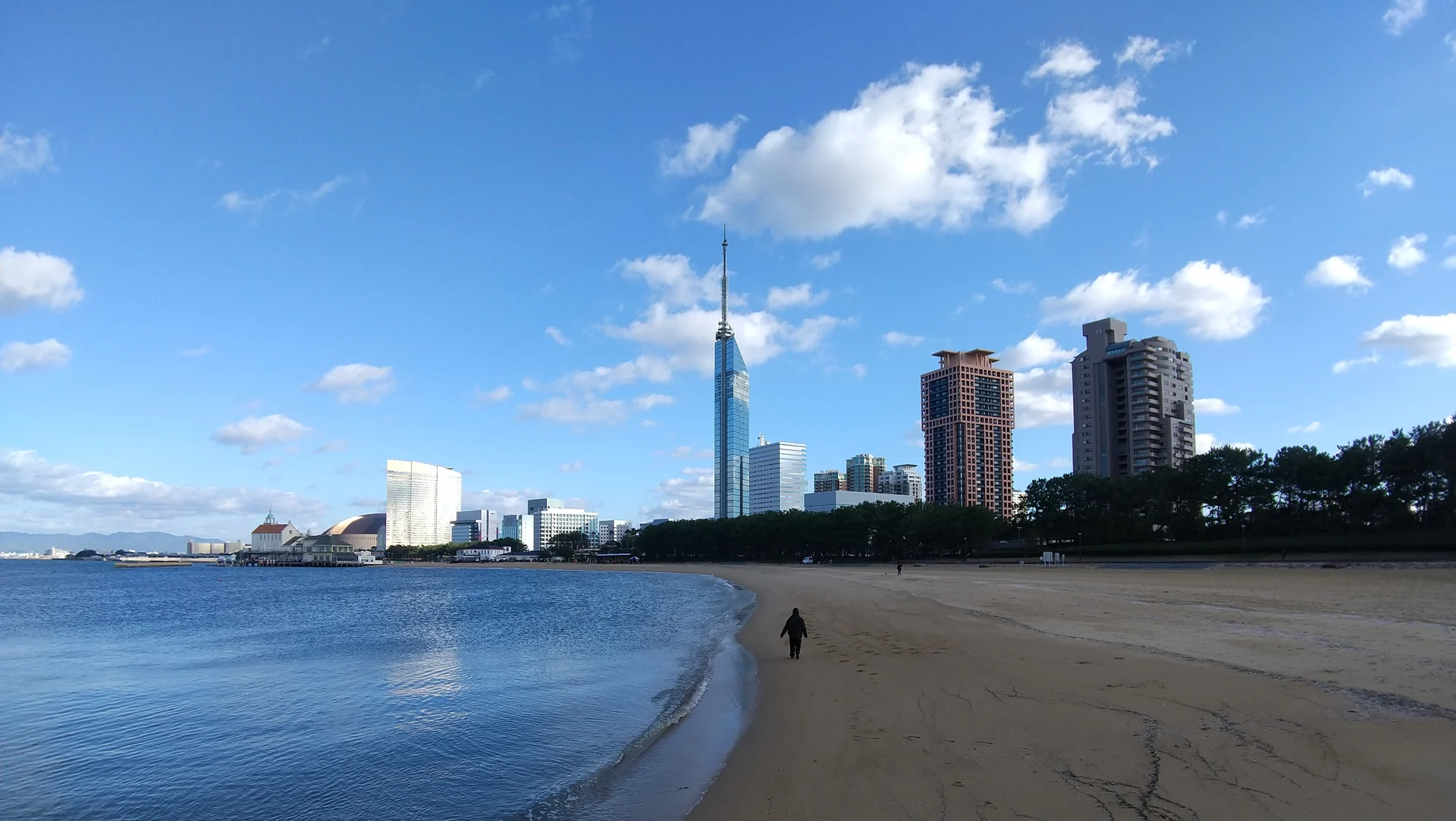
City at a glance
A manageable city routine with a real regional role
Fukuoka can appeal to people who want substantial city amenities without organizing their whole life around the scale of Tokyo. Hakata, Tenjin, park-side neighborhoods and the Momochi waterfront offer different starting points. The useful comparison is the routine each location enables: work, school, groceries, exercise and the airport journeys you will actually make.
Do not assume that a smaller map means every trip is walkable or every household needs no car. A home beyond a useful rail corridor can create a different day from one beside a direct station. Check the evening return as well as the morning commute, especially if a child’s activity or a workplace is outside the center.
Fukuoka’s startup profile is relevant to some founders, but it should not be mistaken for automatic immigration permission or a blanket tax concession. The startup and business-manager routes require their own current assessment. Choose the city because its practical setting fits the business and household, then build the legal and operational plan around the actual activity.
Sources for this section
What may appeal
- Central districts, parks and the waterfront offer different daily routines
- The airport is closely connected to the urban transport network
- Nanakuma Line access to Hakata broadens the practical search area
What to weigh up
- International-terminal journeys require attention to the actual access route
- Summer heat and rain affect walking and cycling plans
- School, insurance and business-route eligibility still require individual checks
Neighbourhoods & finding a home
Websites to find a home
| Website | Search for | Coverage |
|---|---|---|
| Real Estate Japan | Rent / Buy | Japan — filter by prefecture, city or train line |
About these links
Property-search websites help you find listings; individual properties and agents have not been vetted by Offshore Capitalist. Confirm availability, the legal right to let or sell, and payment instructions before committing.
- Real Estate Japan · Checked 2026-10-14
English search for sale and rental listings. Check the city within the prefecture, move-in charges, monthly management costs and whether the property is occupied.
Five areas to compare
These are starting points for viewings, not a ranking. Compare the exact street and building, the journey you actually make, and the services your household will use. Nearby stations can have very different entrances, interchange walks and surroundings.
| Area | Why consider it | What to check on a viewing |
|---|---|---|
| Hakata and Gion | Useful for frequent rail travel and a routine anchored around Hakata’s transport and commercial area. | Check the correct station exit, office-hour foot traffic and late-evening surroundings. A convenient hub address still needs a realistic grocery and school walk. |
| Tenjin and Daimyō | A central base for shopping, dining and meetings, with a dense choice of everyday destinations. | Inspect noise near entertainment streets and the exact walk between your home and the rail line you use. Tenjin and Tenjin-minami are not the same platform. |
| Yakuin and Ropponmatsu | Candidates along the Nanakuma corridor for a neighborhood routine with access to Hakata. | Compare the two areas rather than treating the corridor as uniform. Visit local shops, test the school journey and inspect the final station-to-home walk. |
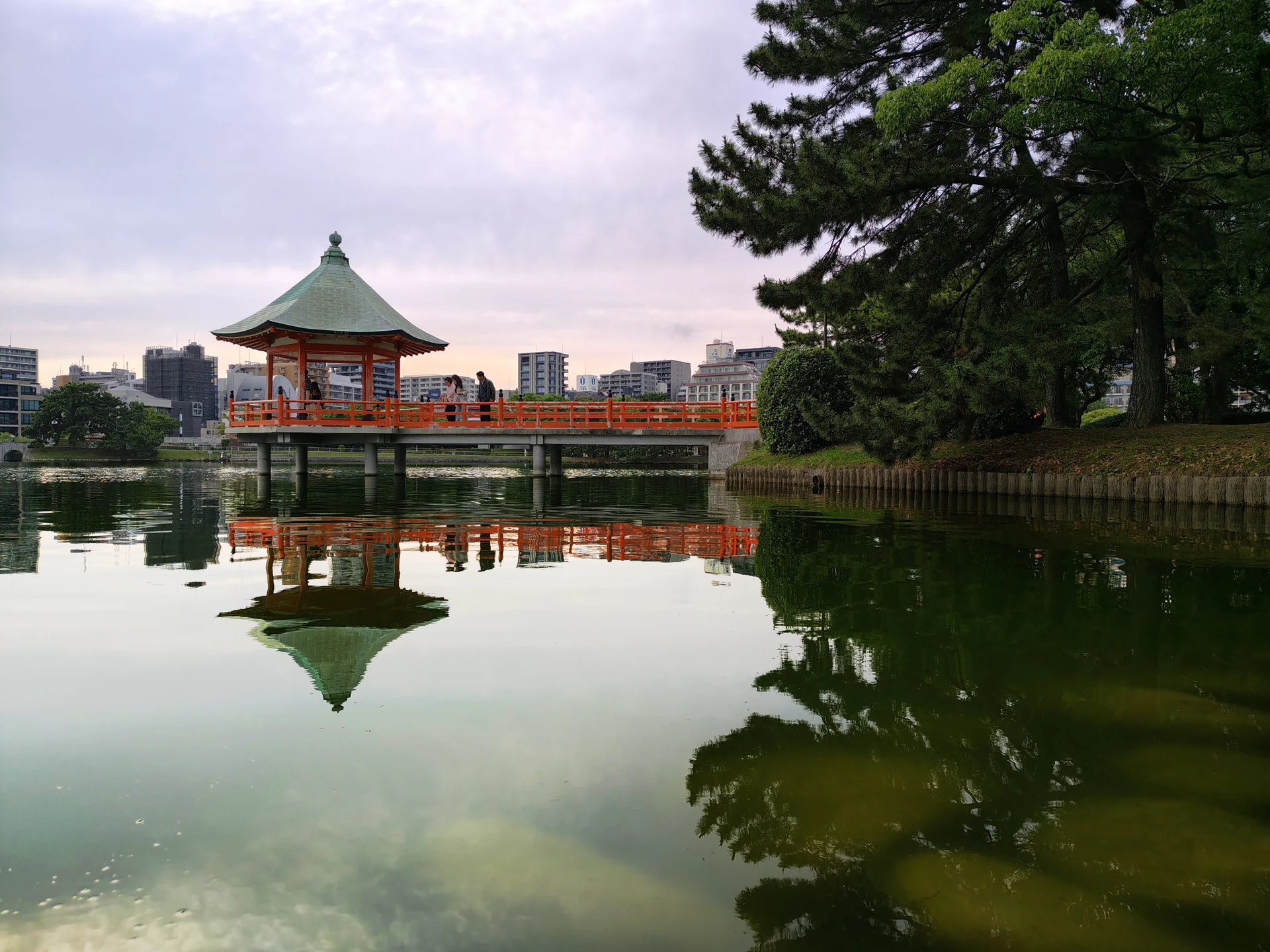
| Ōhori and Tōjinmachi | A starting point for households that want park access in the weekly routine while retaining Airport Line connections. | Check whether the listing is actually close to the park entrance and station you intend to use. Event days and busy weekends merit a separate visit. |
| Nishijin and Momochi | A choice between a station-centered shopping district and a more open waterfront setting near Fukuoka Tower. | Do not assume a beach-side home is beside the subway. Test the last-mile walk or bus, wind exposure, school route and the relevant address-level hazard information. |
Sources for this section
Compare the usable home, not a citywide price story
Make a rental shortlist with the total move-in cash requirement and the recurring charges for each property. There is no single “Fukuoka rent” that captures apartment size, age, location and contract conditions. Ask what the landlord requires from a newly arrived foreign household, including income evidence, a guarantor arrangement and a contact who can help with communication.
Separate the deposit from nonrefundable charges. Obtain written explanations for any key money, agent fee, guarantor fee, insurance, cleaning provision or renewal payment. Check the right to occupy for your intended period, the notice needed to leave and restrictions on visitors, pets and business use. Do not sign a residential lease on the assumption that it will also qualify as an office for an immigration or business application.
The practical inspection should include cooling, humidity control, storage and noise with the windows open. Test the building at a time when nearby traffic and activities are active. Fukuoka’s March 2026 guide instructs households to use the designated bags and collection locations, with rubbish put out between sunset and midnight on the relevant collection day. Confirm the day for your address. Fukuoka’s multilingual living guidance is a useful checklist for utilities and daily administration.
Schools & childcare
Enrollment follows eligibility, not a three-month waiting rule
Fukuoka’s National Health Insurance guidance distinguishes people who need municipal coverage from those insured through employment and other excluded categories. For covered foreign residents, the reference to a permitted stay exceeding three months is an eligibility condition; it should not be read as an instruction to remain uninsured for the first three months.
Have the employer or ward office establish the correct route for every household member. Special residence categories can be treated differently. A digital-nomad stay, for example, should not be assumed to carry the same resident-registration and public-insurance position as an ordinary medium- to long-term working residence route; use the specific national program guide.
Once the scheme is settled, choose a nearby clinic and pharmacy that can handle ongoing needs. Ask about language, appointments and accepted evidence of insurance coverage. Keep an accessible medication list and a record of allergies. If you will travel internationally during the settling period, confirm how the relevant policies deal with care abroad rather than assuming municipal enrollment covers every travel risk.
Getting around
Ask about placement and support before choosing the block
The Fukuoka City International Foundation explains how foreign families apply for municipal elementary and junior high school. The address is relevant to the designated school. A family arriving partway through the year should ask the ward and receiving school about the transfer or enrollment notice and any certificate from the previous school.
For a child approaching first entry to elementary school, check the current annual application notice rather than relying on an old date quoted in a relocation blog. The Foundation describes Japanese-language support through the child’s school, with an assessment process. Ask what will actually be provided and how communication with parents will work.
If considering a private or international school, establish available places and costs directly before committing to housing. Test the school journey in bad weather, not simply the walk to the nearest subway. Bring prior education and health records and discuss any support needs early. A family may reasonably choose a less central neighborhood if it makes the school and after-school routine work.
Airports & international connections
Do not confuse the airport terminals
The subway’s Airport Line connects the domestic-terminal side of Fukuoka Airport with central destinations. International-terminal passengers use a different arrival point; reaching the subway involves the interterminal connection. Build that step into the journey when comparing a home with the airport. A headline airport-to-center time does not describe every international flight arrival.
The Nanakuma Line now reaches Hakata, making its corridor relevant to more household searches. The Airport, Hakozaki and Nanakuma lines have different directions and interchange points. Use the current municipal route map rather than an older account that treats Tenjin-minami as the end of the Nanakuma Line.
At a viewing, test the walk from the exit you will actually use, with groceries or luggage if those are regular trips. A rail connection can be excellent while the final walk is exposed to rain or summer heat. If the household expects to cycle, verify storage at home and parking at the destination rather than assuming the bicycle can be left anywhere.
Sources for this section
Gateway options
Compare gatewaysFukuoka AirportFUK
InternationalFukuoka; separate domestic and international terminal access ·  Japan
Primary gateway Fukuoka; separate domestic and international terminal access. Compare the complete onward journey to Fukuoka with your flight times, luggage and arrival hour.
Domestic and international access to Fukuoka, including Seoul Incheon services. Check the terminal because ground access differs.
Sources & connectivity notes
International passenger services. Check current routes and seasonal schedules.
Research checked 2026-10-13. Routes can vary by season.
Climate & environment
Plan for heat, rain and the particular site
Fukuoka has hot, humid summers and a pronounced rainy-season influence. Winter is cooler and can feel quite different from the clear, warm waterfront photographs that attract visitors. Wind and exposure also differ between an open coastal site and a sheltered inland street.
For a home near water, use the municipal hazard map to examine the relevant flood, landslide or coastal layers rather than relying on a neighborhood’s reputation. Read the map legend and locate the appropriate evacuation information. The right question is how this address and building should be prepared, not whether all of Fukuoka can be assigned one risk label.
Shade, ventilation, window condition and the cooling layout affect comfort during the working day. Check where wet laundry can dry and whether the apartment has adequate storage for seasonal equipment. If walking or cycling forms a large part of your routine, have a rail, bus or indoor alternative for severe weather.
Sources for this section
Culture, community & daily life
Make the city’s scale work for you
A productive exploratory stay includes ordinary tasks: buying groceries for several days, attending a class, making a medical inquiry and returning home after an evening event. This reveals whether the neighborhood supports your life better than a sequence of sightseeing trips. Repeat the same local activity enough to start recognizing people.
For a founder, map the customers, staff, decision-making and records that will sit in Japan. A foreign company can remain part of the plan, but its registration abroad does not settle the consequences of managing it from Fukuoka. The country’s tax, employment and residence guides should be read together before relying on a remote-work arrangement.
If both the household and business are moving, stage the commitments. Establish immigration feasibility, schooling and operational needs before choosing a long-term home or office. An initial inquiry can help define which parts need analysis and which implementation work should be coordinated, without assuming that every advertised city program fits the same applicant.
What residents say
These are attributed public experiences, not client testimonials. Housing, neighbourhood and household circumstances affect the experience.
Planning your move
Your move, step by step
A dependency-based checklist. The sequence is a planning framework; it is not an immigration processing-time promise. Statutory address deadlines apply only to the residents covered by the relevant rules.
01Confirm the residence route and work modelBefore long-term commitments
Check which residence status supports the actual work or business. Start school inquiries and choose the core daily corridor before browsing individual apartments.
Documents & evidence
- Passports and route evidence
- Work and business plan
- School histories
- Startup branding is not an approval, and residential accommodation is not automatically a qualifying business office.
02Inspect homes and compare written costsBefore signing a rental contract
Ask for the entire quotation, screening conditions and contract explanation. Test the neighborhood at different times and use the municipal hazard map at the specific address.
Documents & evidence
- Draft lease
- Itemized charges
- Income evidence
- Viewing and hazard notes
- A waterfront photograph says little about station access or the building’s practical exposure.
03Complete the ward-office proceduresAfter establishing the address; within the applicable notification period
Use the office serving your home and confirm the resident-registration documents. Covered residents should observe the 14-day address-notification rule.
Documents & evidence
- Residence cards or relevant passport documents
- Address
- Family-relationship documents as required
- Eligibility depends on residence category; a short-stay visitor is not placed into ordinary resident procedures simply by renting.
04Connect school, health and essential accountsAs registration and eligibility evidence become available
Complete the relevant insurance procedure and school enrollment, then coordinate utility, bank and phone requirements. Ask the school about language assessment and support.
Documents & evidence
- Insurance evidence
- School transfer or entry documents
- Identification
- Utility setup information
- The three-month residence eligibility reference is not a blanket waiting period for health coverage.
05Review the routine and ongoing obligationsDuring the first settled month
Choose a clinic, establish language and community activities, and put rent, insurance, permits and tax questions in the calendar. Reassess work and decision-making arrangements after the move.
Documents & evidence
- Household calendar
- Insurance and permit records
- Business activity records
- Do not assume a successful rental and bank application complete immigration or tax compliance.
Sources & research notes18 references
Sources supporting this guide. Research draft awaiting editorial review.
- National Consumer Affairs Center: rental-contract precautions (2026)
- MLIT: guide to finding a rental home in Japan
- Japan Meteorological Agency: 1991–2020 climatological normals
- Natural Earth: populated places
- Bank of Japan: valid banknotes and coins
- Fukuoka City: Life in Fukuoka, March 2026
- Fukuoka City: notification of moving in
- Fukuoka Higashi Ward: living guide in English
- Fukuoka City: National Health Insurance eligibility
- Fukuoka City International Foundation: elementary and junior high schools
- Fukuoka City Subway: route map
- Fukuoka Airport: access and terminal connections
- Fukuoka Tourism: district guide
- Fukuoka City: disaster hazard map
- Fukuoka City: international-student interview with Yang Feile, April 2021
- Immigration Services Agency: digital-nomad FAQ
- National Tax Agency: salaries paid by an overseas employer
- JETRO: corporate income taxes and foreign-company activities
In a city-published interview, Kyushu University student Yang Feile described enjoying shopping in Tenjin and Hakata, walks in Ōhori Park and local festivals. He also described difficulty expressing himself in Japanese at first, with friendships and practice helping over time. The account highlights both the city’s everyday variety and the effort involved in integration.
Named interview reflecting a student’s experience as of March 2021, published for city promotion. It is not a current cost survey or a promise of everyone’s experience.