City at a glance
Choose your side of Hamburg around everyday journeys
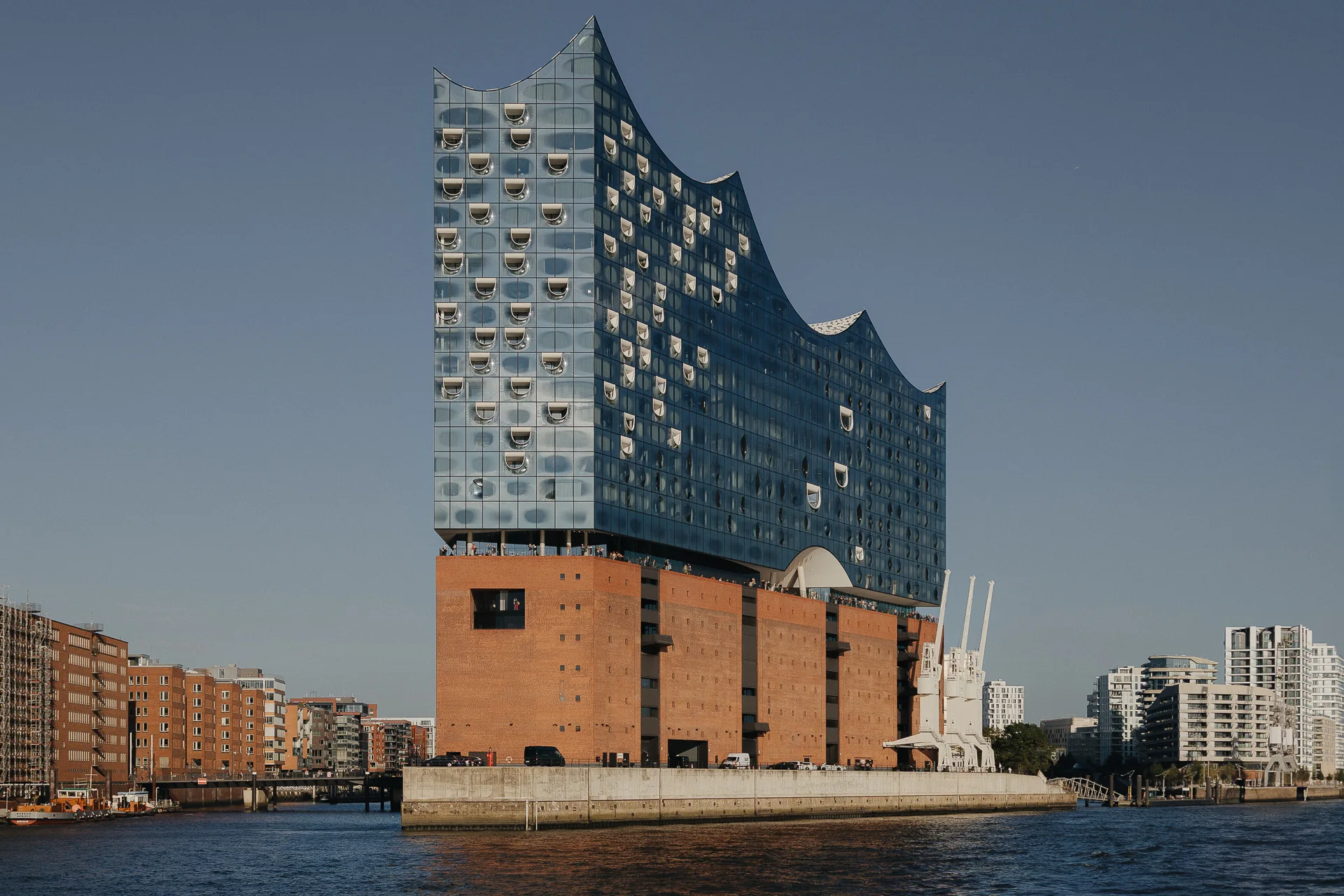
Hamburg offers waterfront architecture, substantial parks and very different residential districts. A home near the Elbe, one beside the Stadtpark and one in a busy western neighbourhood are different lifestyle choices. Start with where you will spend a normal week, not with the skyline you like most.
The important comparison for a household is the combined journey to work, school and regular activities. A slightly smaller home near the places you use may be worth more than extra space at the wrong end of a daily trip. Conversely, someone working mainly from home may prefer a quieter area and accept a longer occasional trip into the centre. The table gives a shortlist to test in person.
Sources for this section
What may appeal
- A wide choice between urban neighbourhoods, parks and waterfront living.
- Normal airport rail access reaches the central station without a city transfer.
- Dedicated newcomers and school-information services.
What to weigh up
- The wrong side of the city can make routine journeys cumbersome.
- Warm rent still requires a breakdown of included costs.
- School placement and healthcare availability need individual confirmation.
Cost of living
Separate the housing budget from the advertised rent
Hamburg’s housing guidance explains Kaltmiete as the base rent and Warmmiete as rent with the specified additional charges. Read what is actually included: a warm-rent figure is not a universal all-in household bill. Ask about heating, electricity, internet and any annual reconciliation.
German residential security is generally limited to three base monthly rents, excluding separately stated operating charges. A cash deposit can be split into three monthly instalments under §551 BGB. Keep deposit payments distinct from rent and any furniture transaction.
Before transferring money, verify the property and the person entitled to let it, obtain the written terms, and establish whether the accommodation supports the registration you need. A temporary place can be useful while you inspect neighbourhoods, but its end date, extension terms and address paperwork matter. Budget for a possible overlap rather than setting a departure date that assumes the first application will succeed.
Sources for this section
Neighbourhoods & finding a home
Websites to find a home
| Website | Search for | Coverage |
|---|---|---|
| ImmoScout24 | Rent / Buy | Germany |
About these links
Property-search websites help you find listings; individual properties and agents have not been vetted by Offshore Capitalist. Confirm availability, the legal right to let or sell, and payment instructions before committing.
- ImmoScout24 · Checked 2026-10-14
Select Mieten or Kaufen and enter the city or postcode. Check whether the advertised rent excludes running costs and whether the home is furnished.
Five neighbourhood comparisons
| Area | Why consider it | Tradeoff to test |
|---|---|---|
| Eimsbüttel | Residential streets, neighbourhood shops and places to eat, with green-space options. | Check courtyard versus street-facing rooms and the actual route to work. A district label does not tell you whether the flat is above a busy venue. |
| Ottensen / Altona | A western urban base with local activity and access to the wider Altona area. | Try the station approach and evening route. If work is in the north or east, test that trip before committing to a western address. |
| Winterhude | Compare the areas around the Stadtpark, established residential streets and the City Nord side. | The district contains different built environments. Identify the exact station, park entrance and parking arrangement rather than relying on a general reputation. |
| HafenCity | Modern waterfront housing and proximity to the harbour’s cultural destinations. | Inspect wind exposure, shading, lifts, construction nearby and the ordinary grocery trip. Waterfront views are only one part of the home. |
| Bergedorf | An outer-city option for a different pace and access to green surroundings. | Measure evening and weekend connections as well as the morning commute. Check whether family activities would add a second long journey. |
Sources for this section
Schools & childcare
School placement: begin with ZSJ when German support is needed
The Centre for School and Youth Information, ZSJ, is Hamburg’s current central advice point. Its remit includes educational pathways, recognition of qualifications, international preparatory classes and help with all-day education and care. It arranges preparatory-class places for pupils arriving without sufficient German.
Provide the child’s previous reports and explain language ability, educational gaps and any existing support. Ask where the offered class is located and how the transition into ordinary teaching works. After-school care is a separate practical question: the end of lessons may not align with your working day.
For private or international options, deal with each school directly. Request current admissions criteria and all charges, including lunches, transport and withdrawal terms. A home close to a preferred campus is useful only if the actual place, age group and support provision fit your child. Keep more than one housing option open until these dependencies are clear.
Sources for this section
Healthcare
Set up healthcare as part of settling in
Health-insurance arrangements depend on employment and personal circumstances. Confirm who covers each family member and from what date; do not assume a spouse or child is automatically included in every arrangement.
The Hamburg physicians’ association provides a local practice search and patient information. Use it to identify general practitioners and any specialist you need, then ask the practice about new-patient intake and language. If someone relies on continuing treatment, collect a clear medical summary and discuss the transition before leaving the current provider.
Choose a practical radius around home and school rather than judging access by the presence of a hospital on a map. Routine consultations, repeat prescriptions and a child’s appointments are different journeys from emergency treatment. A listed practice is a starting point for contact, not a reservation.
Getting around
Airport and local transport need different checks
Hamburg Airport gives the normal S1 ride from the main station as approximately 25 minutes, with trains generally every ten minutes. The station is beneath the terminals. On the outward journey the S1 splits at Ohlsdorf: the airport-bound front portion matters. Follow the platform and train information rather than boarding any carriage on the strength of the line number.
For home selection, an airport connection should be evaluated alongside daily journeys. Try the route in rain with the luggage, pram or mobility requirements that will actually apply. Check lifts, changes and the walk from the stop; a short rail segment can conceal an inconvenient last kilometre.
| Journey | Planning basis | What to verify |
|---|---|---|
| Airport journey | S1 to Hamburg Airport under normal service. | Confirm the airport portion at Ohlsdorf and live disruptions. |
| Work and school | Compare routes from the exact address, not the neighbourhood centre. | Test the arrival deadline and the return after after-school activities. |
| Cycling and walking | Useful ways to connect nearby daily destinations. | Check secure storage, lighting and an alternative for wet or windy days. |
Airports & international connections
Gateway options
Compare gatewaysHamburg AirportHAM
InternationalHamburg ·  Germany
Primary gateway Hamburg. Compare the complete onward journey to Hamburg with your flight times, luggage and arrival hour.
International gateway for Hamburg. Compare the current destinations, operating season and ground transfer for your itinerary.
Sources & connectivity notes
International passenger services. Check current routes and seasonal schedules.
Research checked 2026-10-13. Routes can vary by season.
Climate & environment
Evaluate the home for both maritime weather and summer heat
Hamburg’s climate has a maritime influence, while its urban climate analysis shows how the built environment changes local heat conditions. These are different questions: broad regional climate does not tell you whether a top-floor room stays comfortable during a warm spell.
For a waterfront or exposed apartment, try opening and closing windows and listen to the noise with them open. Check where wet coats and shoes will dry, whether bicycle storage is covered and how the nearest transit stop feels in poor weather. For summer, look at shading and cross-ventilation rather than relying on photographs of a bright room.
A winter reconnaissance visit can change your preference between a waterfront address and one near a park, cafés and everyday indoor activities. Plan around what you will actually do outside of the warmer months. Neither preference is inherently better; the value comes from choosing deliberately.
Public services & practical setup
Foreign arrivals have a specific registration checklist
Hamburg’s current foreign-arrival procedure applies to people moving in for more than three months and states a two-week registration deadline after the move. It requests valid identity documents, the housing-provider confirmation and original civil-status records as applicable. Authentication and sworn translation can also be required. The lease does not replace the housing-provider confirmation.
The page currently lists €16 for a person or a family moving to the same address. That is the registration fee, not an immigration fee or a relocation-service price. Follow the instructions for who must attend; do not assume a first arrival from abroad qualifies for a domestic online address-change procedure.
The Welcome Center’s newcomers service can help orient you to local systems. Keep the resulting registration confirmation and organise a reliable way to receive official post. Residence permission, the ability to work and the tax consequences of the move remain separate matters.
What residents say
These are attributed public experiences, not client testimonials. Housing, neighbourhood and household circumstances affect the experience.
Planning your move
Turn a visit into a decision
Compare one established residential area with one that offers a distinctly different routine. Spend time near the school or office first, then view homes inside a realistic travel radius. Use one evening for grocery shopping, a meal and the trip back to the candidate address; it exposes practical differences that a daytime viewing misses.
Keep a shared household checklist with the non-negotiables: school route, workspace, registration documents, insurance and the full move-in payment. Rank each home against the same criteria. If a foreign business will continue to operate while you live in Hamburg, use the Germany tax and company guides to examine management, payroll and residence issues before the move is treated as complete.
Your move, step by step
A dependency-based order of work. Planning windows are suggestions; legal registration deadlines are identified separately. No stage promises a school place, rental acceptance or authority processing time.
01Fix the essential locationsBefore deciding where to search
02Verify the tenancy and registration documentsBefore paying or signing
03Register after the moveWithin two weeks under the ordinary foreign-arrival procedure
Follow the foreign-arrival checklist and attendance rules. Bring the original identity and civil-status records required for your family, plus the provider confirmation.
Documents & evidence
- Identity documents
- Wohnungsgeberbestätigung
- Civil-status documents and required authentication/translations
04Complete schooling and medical continuityAs address and eligibility requirements are met
Sources & research notes13 references
Sources supporting this guide. Research draft awaiting editorial review.
- German Civil Code §551 — residential rental security
- Federal Ministry of Health — statutory health insurance
- Hamburg city portal — neighbourhoods
- Hamburg city portal — renting a home
- Hamburg Service — registration after moving from abroad
- Hamburg Welcome Center — newcomers service
- Hamburg ZSJ — school and youth information and international preparatory classes
- Hamburg Airport — arrival and departure
- Hamburg city portal — airport public transport and the Ohlsdorf split
- Hamburg Association of Statutory Health Insurance Physicians — patient services
- Hamburg municipality — urban climate analysis
- Hamburg education authority — regional maritime climate
- Winterhude residents compare park access, parking and neighbourhood character, 2026
A contributor describing six years near Borgweg valued the nearby services and neighbourhood atmosphere, but highlighted parking as a drawback. Another long-term resident near Lattenkamp praised access to the Stadtpark while finding the area quieter and less lively than some western districts. These are useful contrasting priorities, not neighbourhood scores.
Self-reported residents in a 2026 discussion; relative page dating does not establish an exact publication day. Rental claims and numerical commute estimates from the thread are not used.